Muscari armeniacum
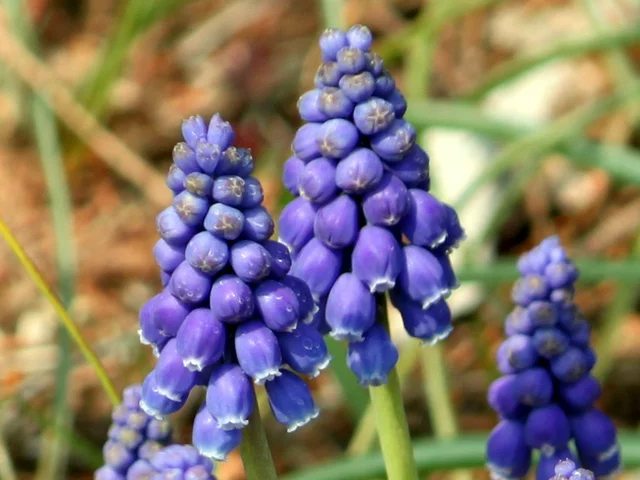 Location: Kyoto Botanical Garden
- Location: Kyoto Botanical Garden
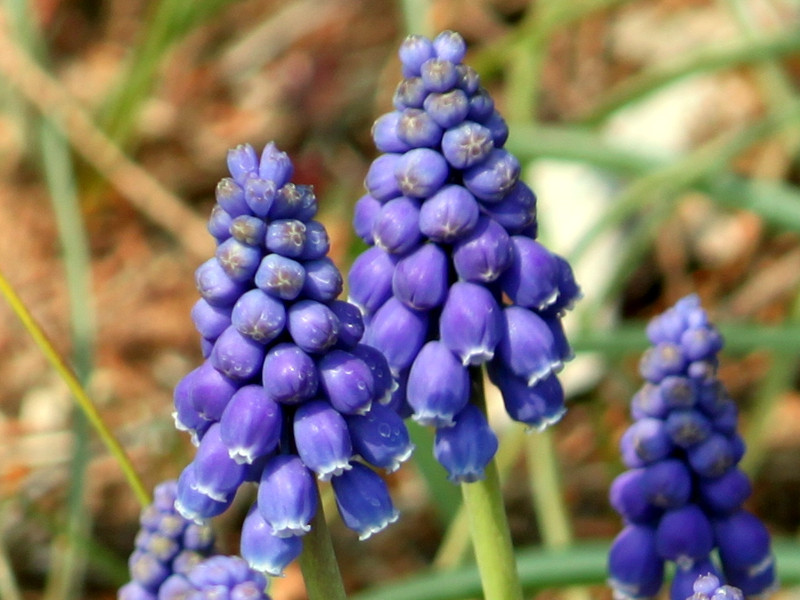
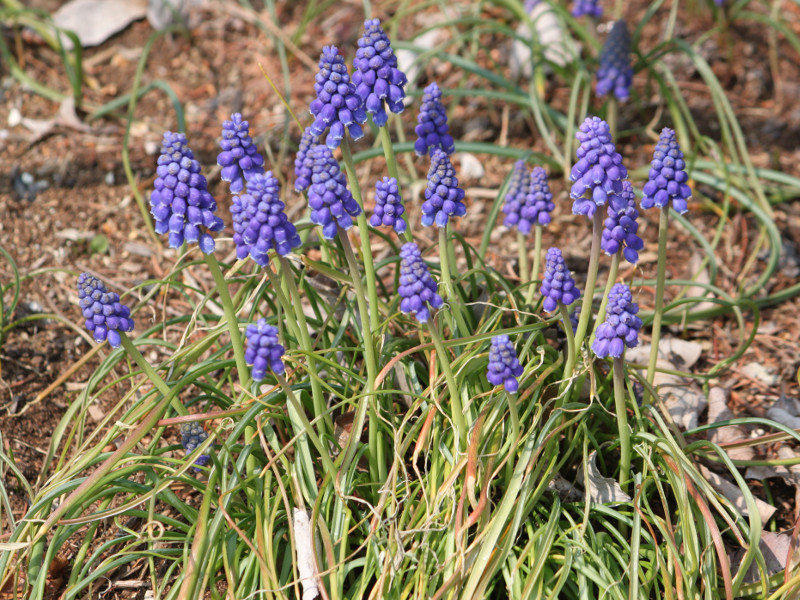
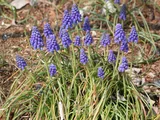
- Flower nameMuscari armeniacum
- Scientific nameMuscari armeniacum
- AliasMuscari armeniacum, Muscari, Armenian grape hyacinth
- Place of originGreece, Turkey to Caucasus, Armenia eastern Mediterranean Coast
- Place of floweringGarden, Botanical Gardens, Potted flower
- Flowering seasonApril, May
What is Muscari armeniacum
Muscari armeniacum (scientific name:Muscari Armeniacum) is a classic varieties that cobalt-colored the cold-resistant bulb plant "Muscari" of the family Asparagaceae in the eastern Mediterranean coast. Leaves are linear. Extend the spikelet inflorescence from the flower stalk, and make a large number of potted flowers downwards so as to cover the inflorescences. It is the parent of the gardening variety as the basic species of muscari. There are also variants such as pink and white. Because the plant height is low, it is used for the ground cover. The genus name "Muscari" means "muscus (muska)", species species "Armeniacum" means Latin and origin of "Armenia". Flower language is "a bright future". In Europe, the blue flower is regarded as a symbol of sorrows like "disappointment" or "disappointment", while "a bright future" beyond disappointment is also used.
Common name: Muscari Armeniacum, Scientific name: Muscari Armeniacum, aka: Armenian grape hyacinth, Place of Origin: Mediterranean Coast, Distribution: Forest and Pasture grass, plant height: 15 cm, flower size: 0.5 cm, inflorescence type: spiked inflorescence, corolla: pot type, 6 tears at the tip, flowering period: April to May, flower color: bluish purple.


- OrderAsparagales

- FamilyAsparagaceae
- GenusMuscari
- SpeciesM. armeniacum
- Type of flowerRadial symmetrical flower
- Array of flowerSpikelet inflorescence
- Petal shapeVase-shaped
- Leaf typeLinear
- Edge of the leafEntire
- Life typeCold resistant bulb perennial plant
- Flower colorsBlue Purple
- Colors of the leavesGreen
- Fruit colorGreen
- Height15.0 ~ 15.0 cm
- Diameter of flower0.5 ~ 0.5 cm