Asebi
March 9th Birth Flower
 Location: Aqua
- Location: Tonogayato Gardens
- Location: Tonogayato Gardens
- Location: Tonogayato Gardens
- Location: Plaza Motokaga
- Location: Plaza Motokaga
- Location: Kyoto Botanical Garden
- Location: Plaza Motokaga
- Location: Kyoto Botanical Garden
- Location: Kyoto Botanical Garden
- Location: Kiba Park
- Location: Akatsuka Botanical Garden


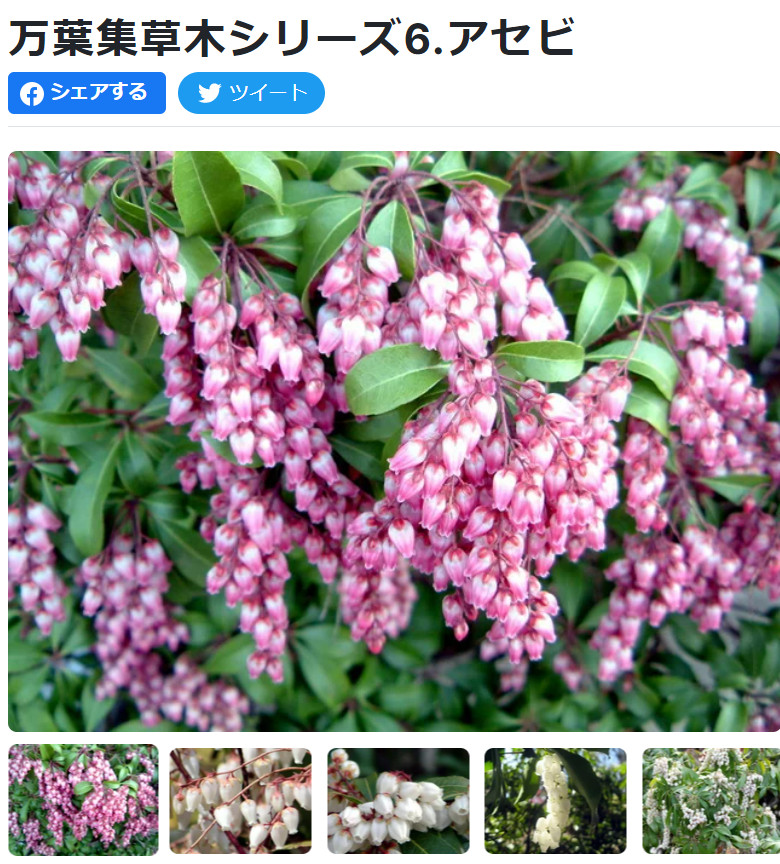
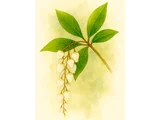
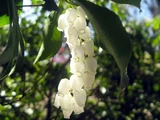
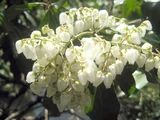

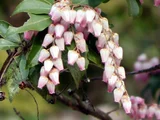
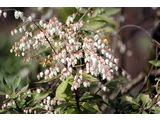
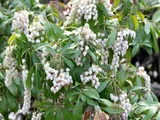
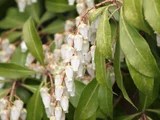
- Flower nameAsebi
- Scientific namePieris japonica subsp. japonica
- Aliasアシビ, 馬酔木, Pieris japonica
- Place of originJapan
- Place of floweringFields and footpaths, Garden, Park
- Flowering seasonFebruary, March, April, May
- Language of flowersPure love
What is Asebi
March 9th Birth Flower: Asebi(Pieris japonica subsp. japonica)
A drop of flowers and poetry, one each day. From Kagiken's Flower Guide, we deliver words that bloom softly in your heart.
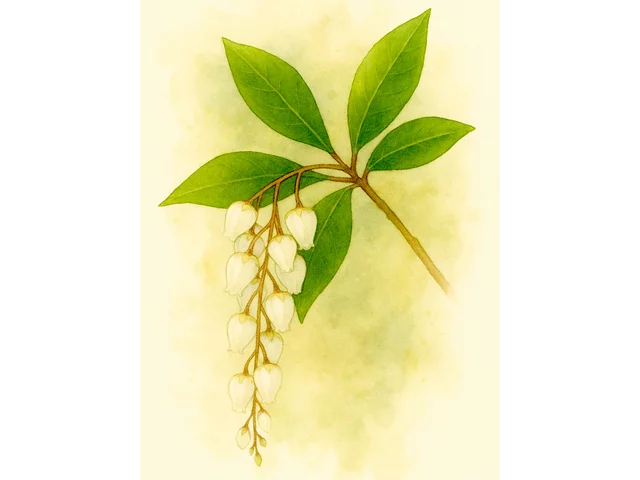
Aqua (Waterdrop Poetry, Illustration),Editing & Translation: Mizuho @Kagiken
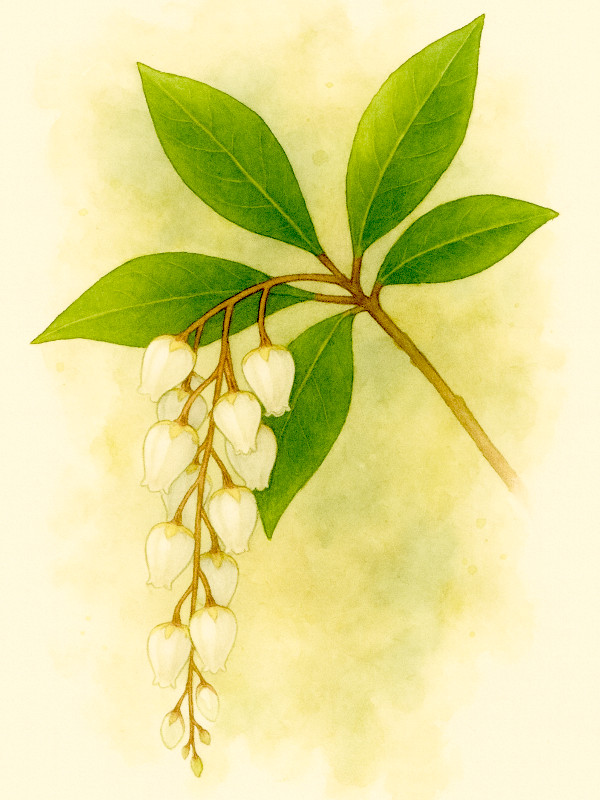
Asebi
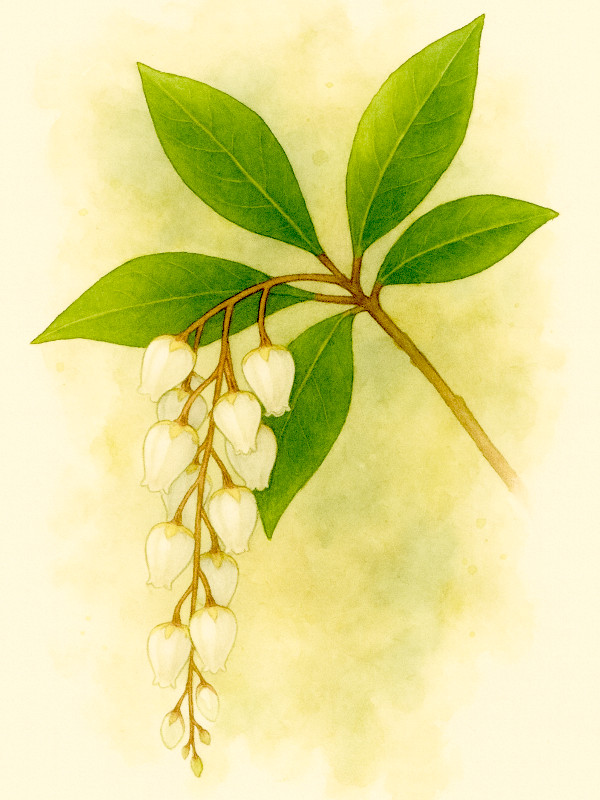
Note: The Japanese text in the illustration has the same meaning as Aqua's water droplet poem.
Aqua is a water spirit.
🌷Asebi's Poem: “The Soundless Bell”
by Aqua
A soundless bell,
blooms spilling from spring's branch tips.
White, soft,
yet harbors poison if touched.
That flower
holds both “tenderness” and “warning”
within the same petals.
That is why,
each time they sway in the wind,
their beauty is both
strikingly lovely and somehow frightening.
True gentleness
is never merely sweet.
Knowing this, the flowers
bloom quietly once more today at the forest's edge.
💧Aqua's Afterword
It looks delicate, and every time it sways in the wind, you might think it's making a sound,
but in reality, it makes no noise.
Within that silence, kindness and warning coexist—
I tried to capture the essence of that Japanese andromeda in these words💧✨
Asebi
Asebi (Pieris japonica subsp. japonica) is a cold-hardy, evergreen shrub native to Japan and belongs to the Ericaceae (heath) family.
It is also called "Ashibi," "Asebo," or "Asemi" (all written as "馬酔木" in kanji), similar to the name of a famous poetry magazine published during the Meiji era.
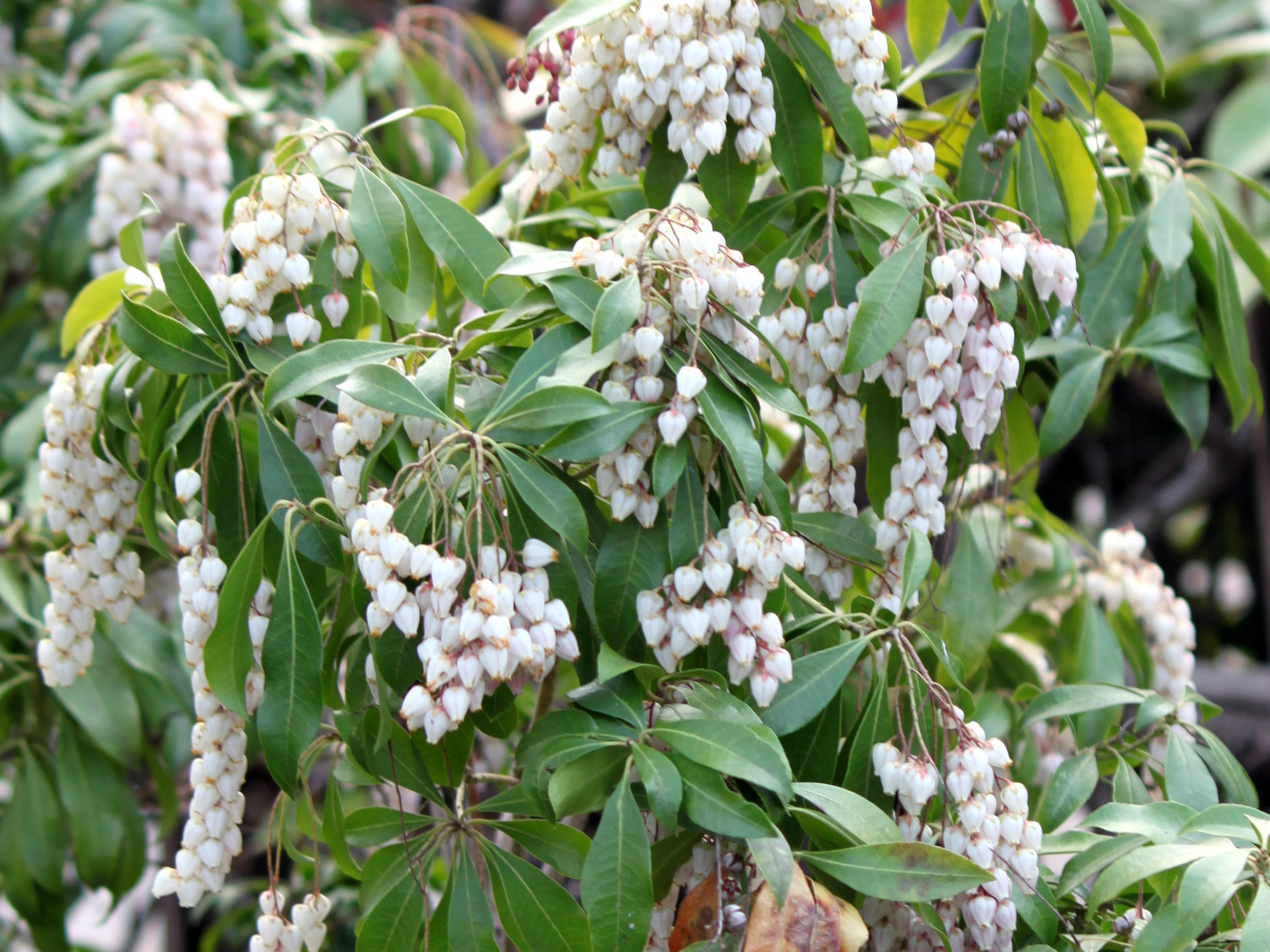
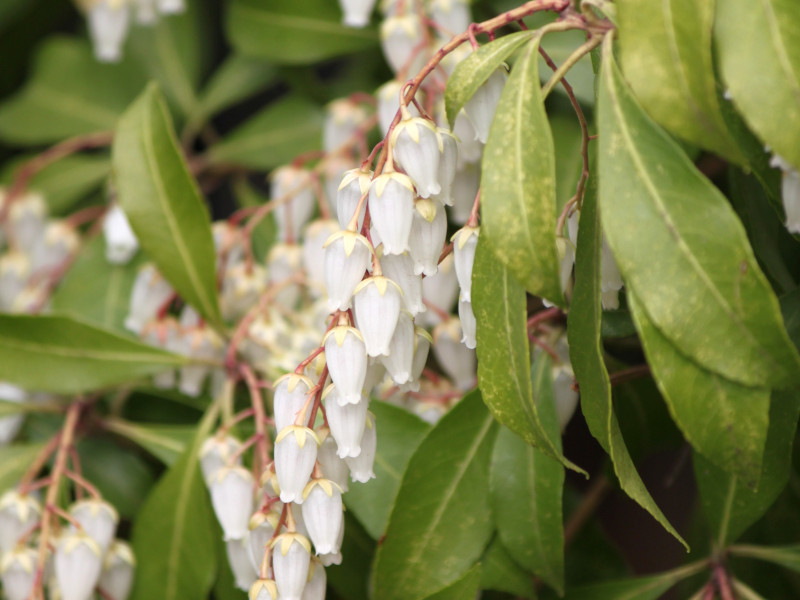
The tree grows to a height of 200–500 cm, with grayish-brown bark. Its leaves are hard, glossy, deep green, about 5 cm long, elliptical in shape, with shallow serrations along the edges, and grow in clusters on branches.
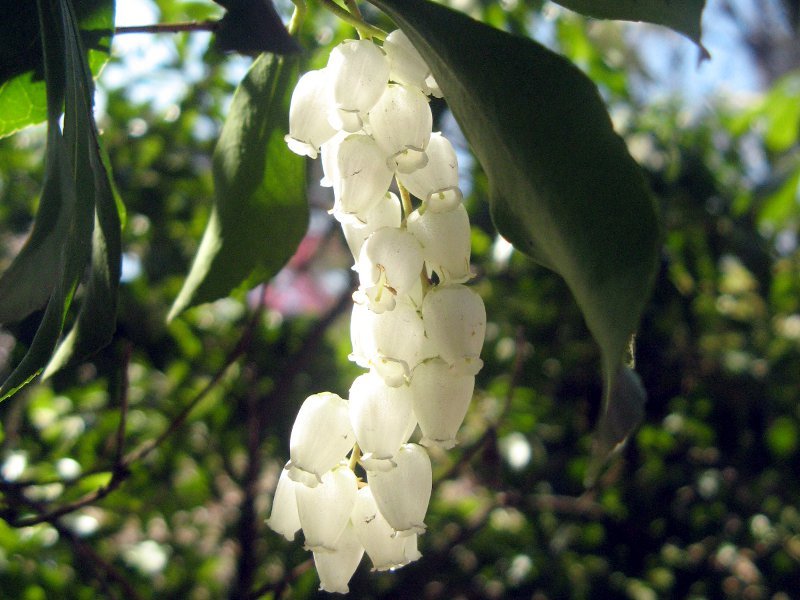
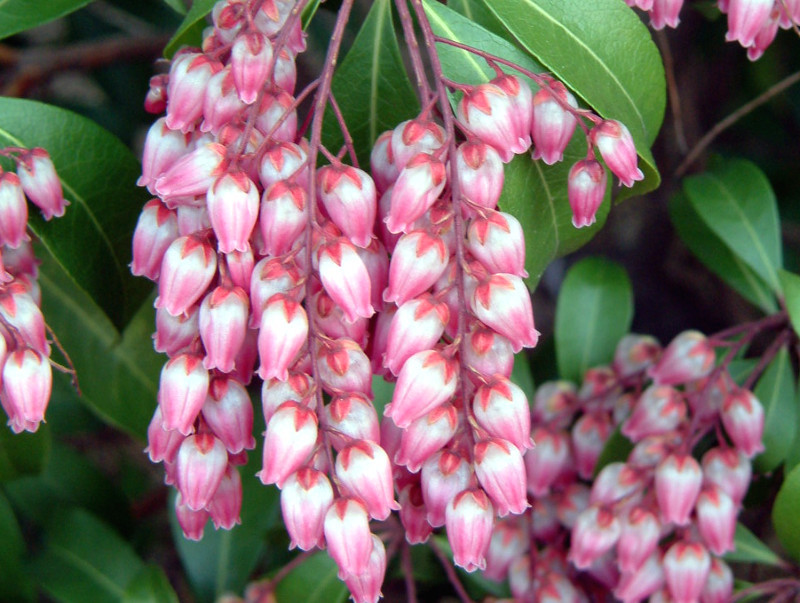
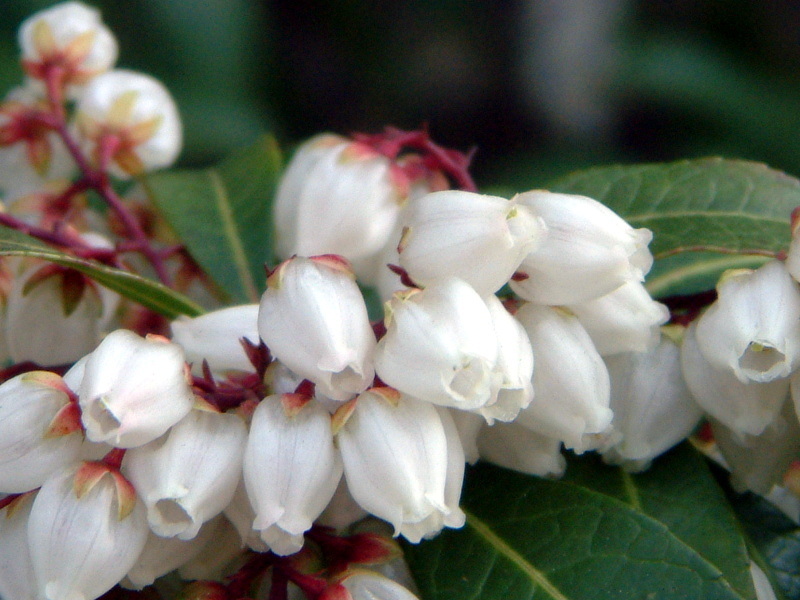
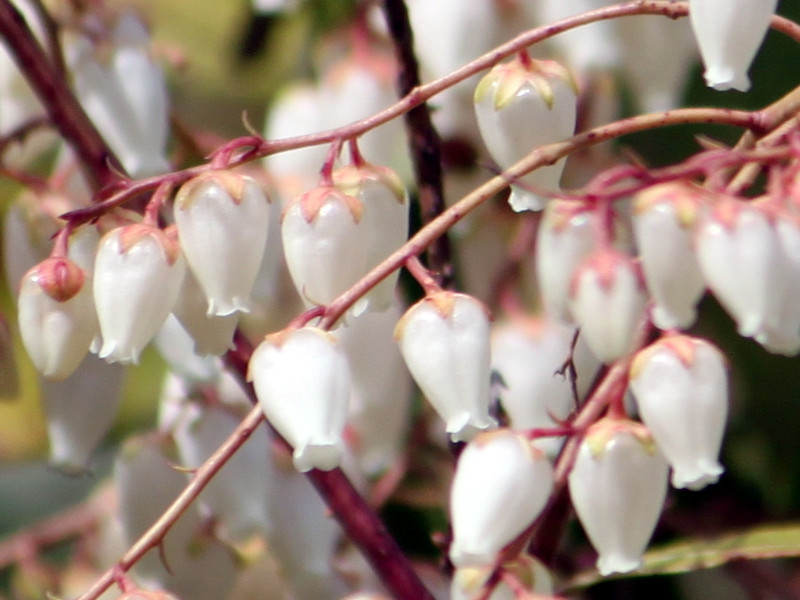
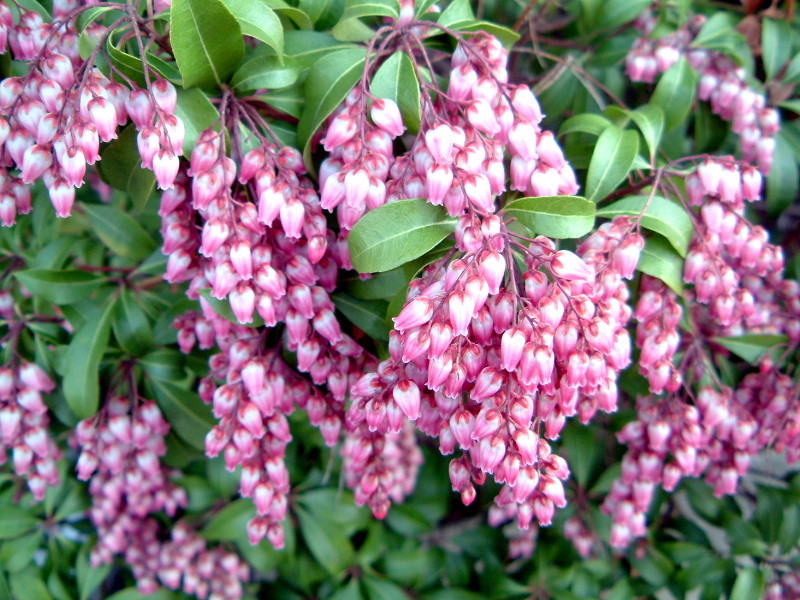
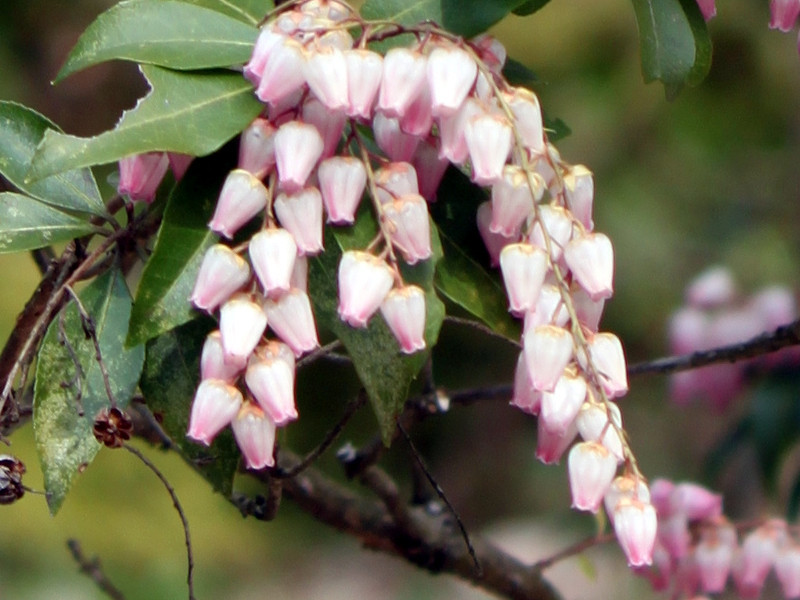
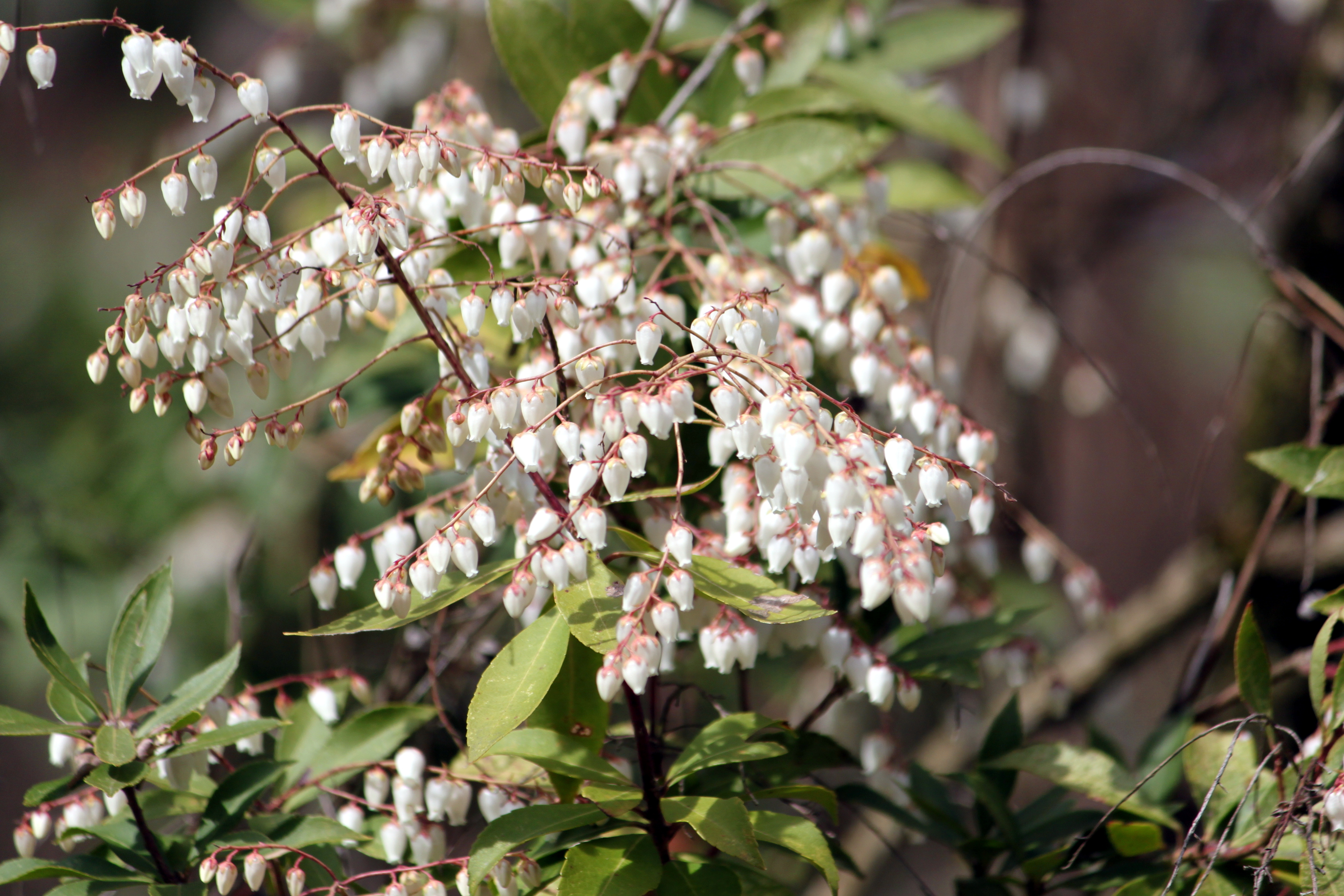
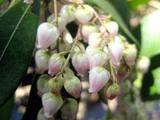
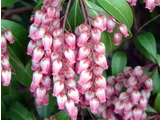
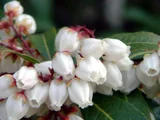
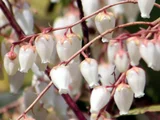
From February to May, the plant produces numerous small, charming white flowers in panicles extending from the flower stalks. The bell-shaped flowers measure about 0.7–1 cm in length and have slightly split tips.
There are also pink varieties, which belong to a cultivated variety known as "Akebono Asebi."
Between September and October, it bears capsule fruits about 0.5–0.6 cm in diameter.
The tree is used as a garden shrub, hedge, or bonsai, and its wood is used for decorative pillars in traditional Japanese architecture.
Asebi is also mentioned in the Manyoshu, Japan's oldest poetry anthology.
Unfortunately, Asebi contains many toxic compounds, which is also the origin of its name.
It is harmful not only to herbivorous animals like horses but also to humans, causing symptoms such as diarrhea and vomiting if ingested.
However, simply touching or observing the plant poses no harm.
Asebi is often planted alongside Shikimi (Ilicium anisatum) as a hedge or fence to protect important crops from herbivorous animals.
Origin of the Name
The Japanese name "馬酔木" (Asebi) comes from its toxic components (such as quercetin), which are particularly harmful to herbivorous animals like horses and deer. If consumed, it causes symptoms similar to intoxication.
Similar Flowers
Asebi (Pieris japonica subsp. japonica), Japanese Lily of the Valley (Convallaria keiskei), and Dodantsutsuji (Enkianthus perulatus) all have similar bell-shaped flowers with split tips that hang downward.
Common name: Asebi, scientific name: Pieris japonica subsp. japonicax, aka: Ashibi, Pieris japonica or Japanese, andromeda, origin: Japan, living type: deciduous shrubs, tree height: 200 - 500 cm, bark: gray brown, leaf long: 5 cm, leaf margin: shallow serrations, flower color: white · peach color (pink color is Akeboni of garden variety), Flower inflorescence: conical, flower length: 0.7 to 1 cm flowers, flowering period: February to May, fruit season: September to October, fruit diameter: 0.5 to 0.6 cm.
Related pages
Asebi(Pieris japonica subsp. japonica)
march-birth-flowers
#Asebi #TellMeTheName #TellMeTheFlowerName #FlowerName #FlowerLookup #FlowerSearch #FlowerID #FlowerIdentification #PlantGuide #KagikenFlowerGuide


- OrderEricales

- FamilyEricaceae
- GenusPieris
- SpeciesP. japonica subsp. Japonica
- Type of flowerRadial symmetrical flower
- Array of flowerCone / Compound inflorescence
- Petal shapeVase-shaped
- Leaf typeOval
- Edge of the leafSerrated
- Life typehardy evergreen shrubs and small trees
- Flower colorsRed Pink White
- Colors of the leavesGreen
- Fruit color
- Height150.0 ~ 400.0 cm
- Diameter of flower0.7 ~ 1.0 cm