Koji orange
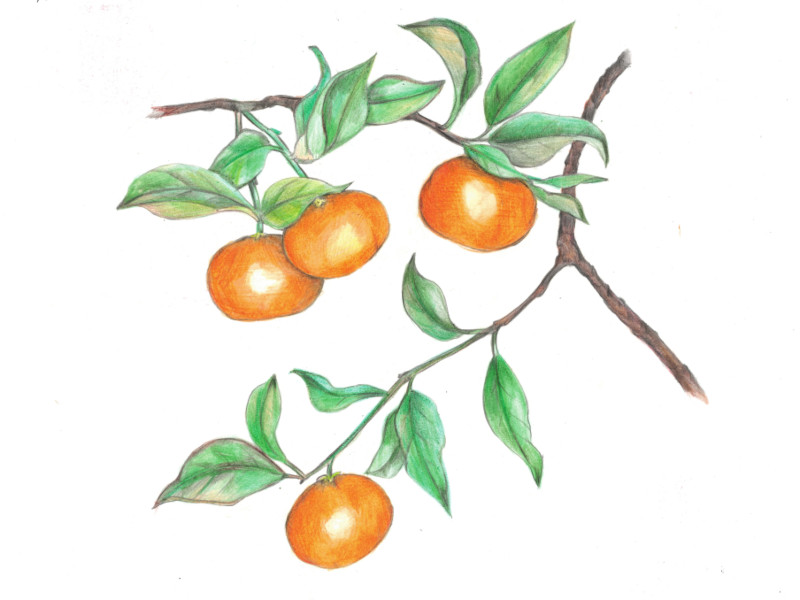
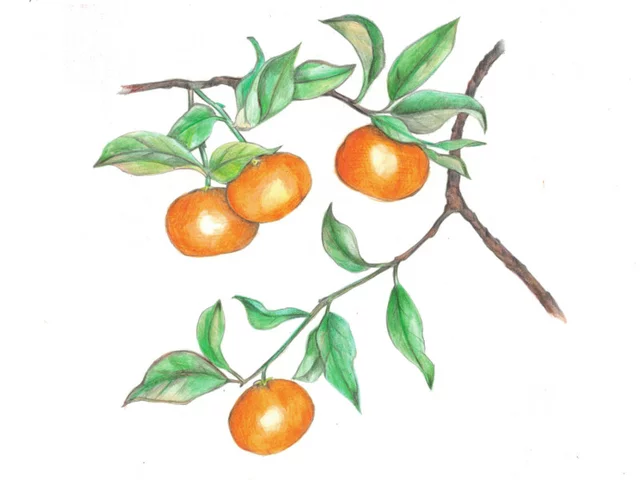 Location: Illust:Yuki @Kagiken (Science&Technology Inst.co.,Tokyo )
- Flower nameKoji orange
- Scientific nameCitrus leiocarpa
- Alias柑子, 柑子蜜柑, コウジミカン, kōji
- Place of originJapan
- Place of floweringOrchard
- Flowering seasonMay, June
What is Koji orange
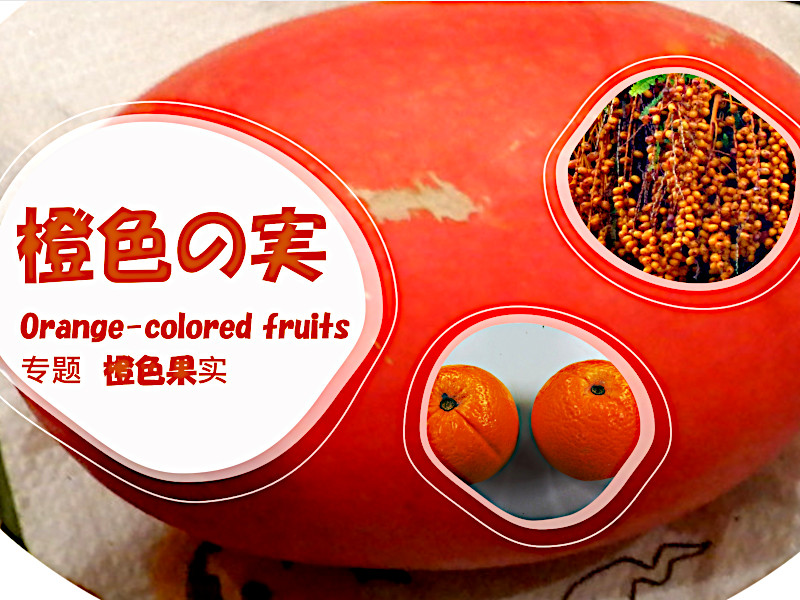
Koji orange or Citrus kouji (scientific name: Citrus leiocarpa) is a small, evergreen, tall tree and citrus fruit native to Japan and belonging to the family Rutaceae. It has been cultivated since ancient times. After TV orange (Citrus unshiu), its popularity shifted to honeydew, and it is cultivated mainly only in the San-in and Hokuriku regions. The fruit is oval in shape, slightly smaller than a tangerine, and bright orange in color, with a thin skin and a slightly acidic taste. It is also used as a leafed tangerine for New Year's decorations as Komikan.
Common name: Koji orange or Citrus kouji, scientific name: Citrus leiocarpa, also known as kōji-mikan, usukawa-mikan, kōji, Origin: Japan, Height: 5 to 6 m, Leaf color: dark green, Leaf shape: elliptic Flowering season: May to June, Corolla shape: 5-petaled, Diameter: 1.5 to 2 cm, Fruit shape: oval, Rind color: orange, Fruiting season: winter (November to January), Use: medicinal.


- OrderSapindales

- FamilyRutaceae
- GenusCitrus
- SpeciesC. leiocarpa
- Type of flowerRadial symmetrical flower
- Array of flowerMonopetal inflorescence
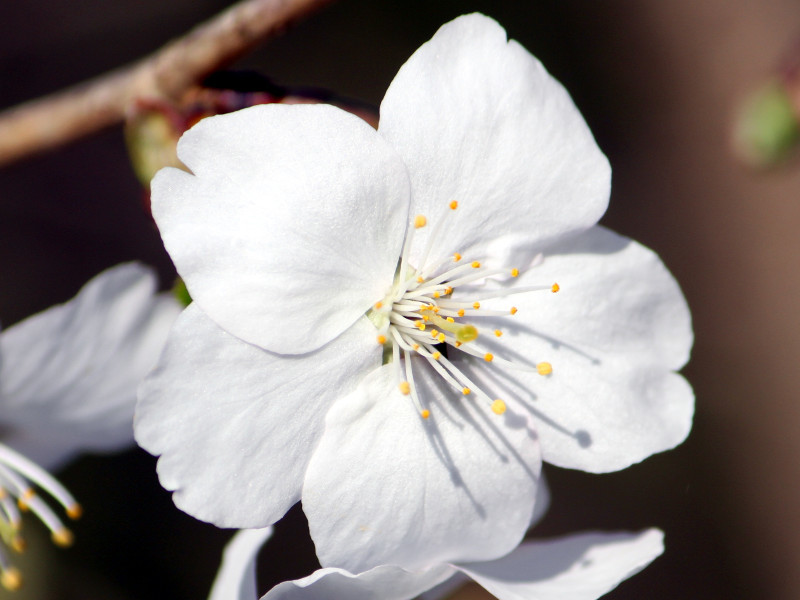
- Petal shapeFive-petal
- Leaf typeovoid
- Edge of the leafSerrated
- Life typesmall, evergreen, tall tree
- Flower colorsWhite
- Colors of the leavesGreen
- Fruit colorOrange
- Height400.0 ~ 500.0 cm
- Diameter of flower1.5 ~ 2.0 cm