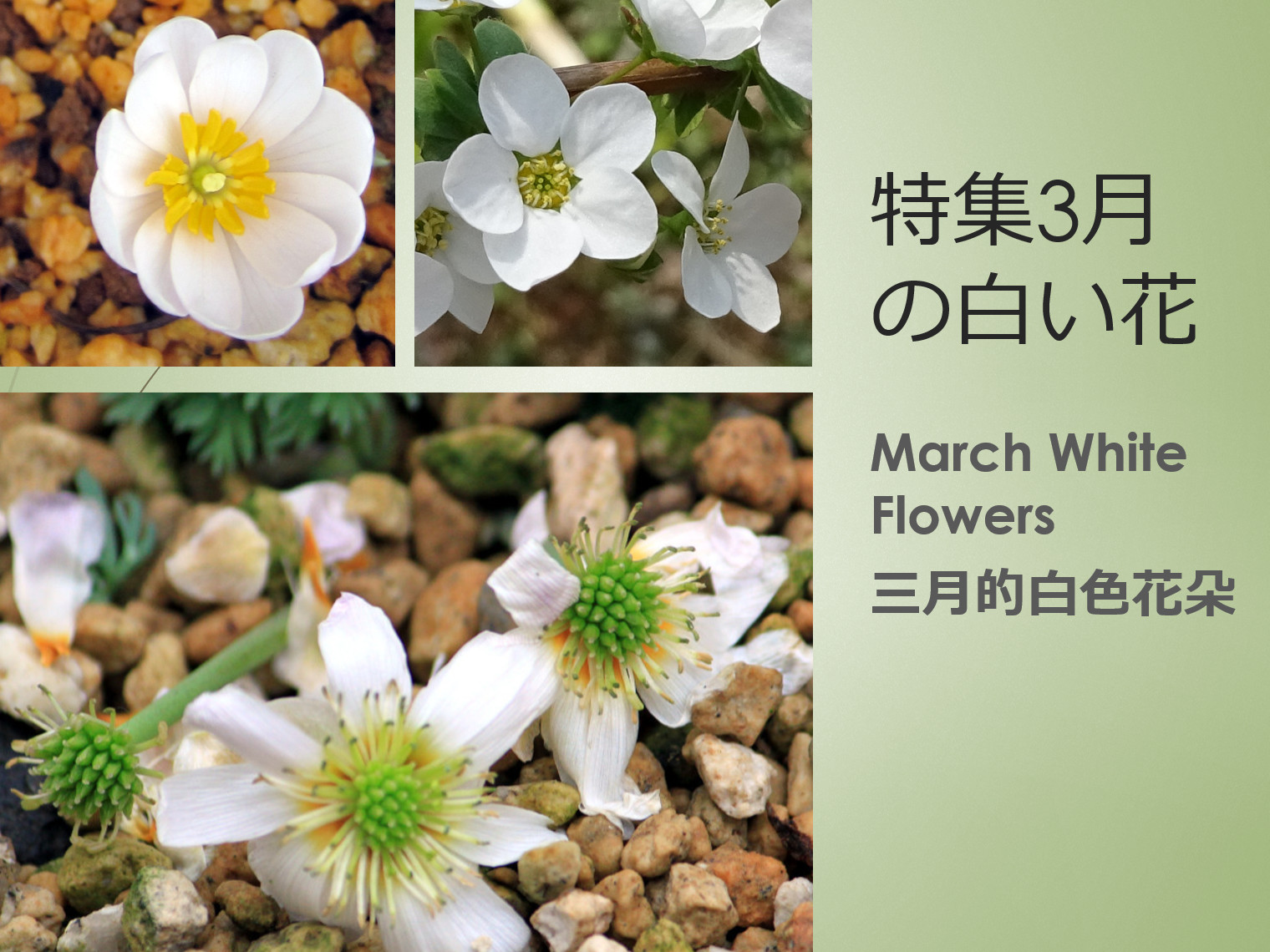
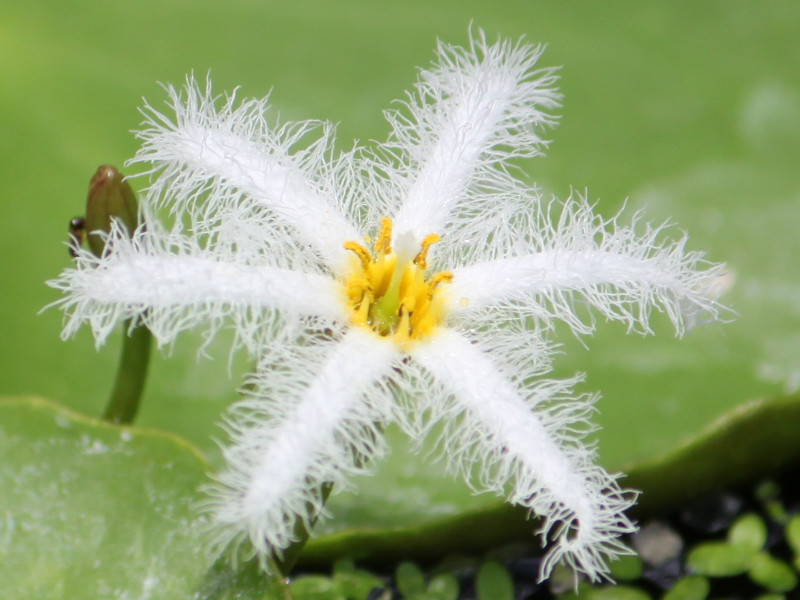
Coptis anemonifolia
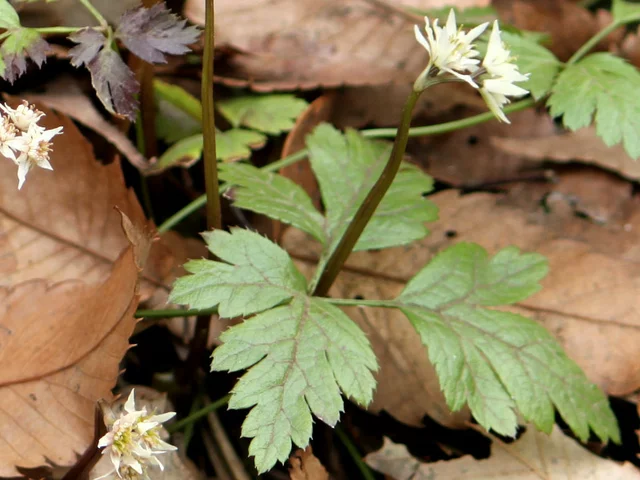 Location: Tokyo Metropolitan Medical Plant Garden
- Location: Tokyo Metropolitan Medical Plant Garden
- Location: Tokyo Metropolitan Medical Plant Garden




- Flower nameCoptis anemonifolia
- Scientific nameCoptis japonica var. anemonifolia
- Aliasオウレン
- Place of originJapan
- Place of floweringBotanical Gardens, Potted flower
- Flowering seasonFebruary, March
- Language of flowersMakeover
What is Coptis anemonifolia
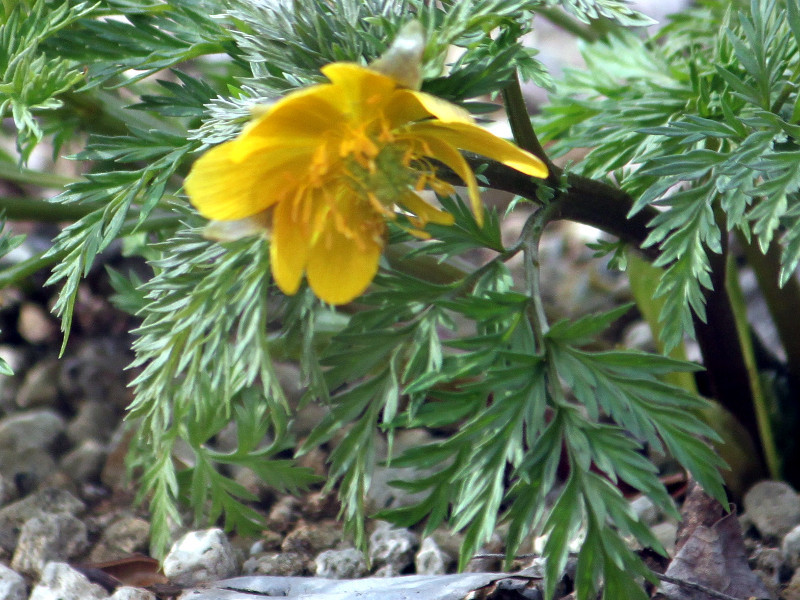
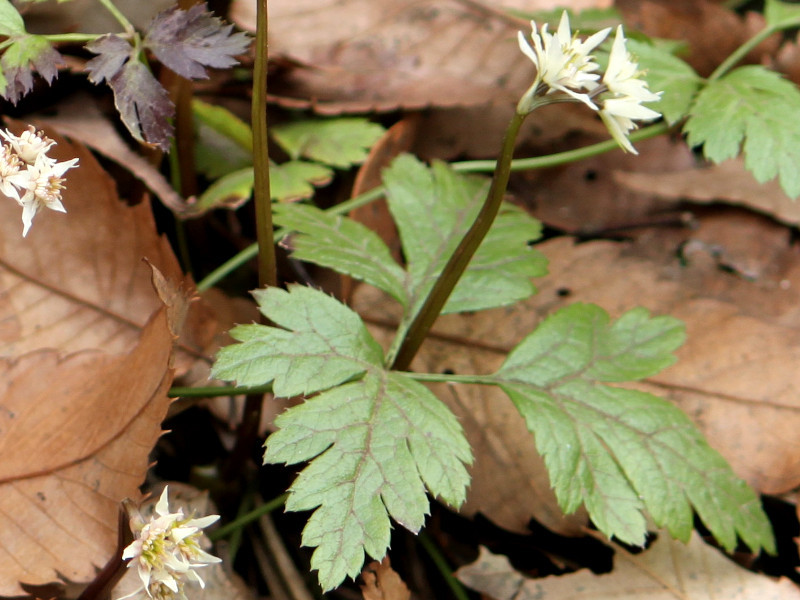
Coptis anemonifolia or Kikuba-ouren (scientific name: Coptis japonica var. anemonifolia) is a variant of Coptis japonica or Japanese ouren (scientific name: Coptis japonic) and has leaves that resemble chrysanthemum leaves.
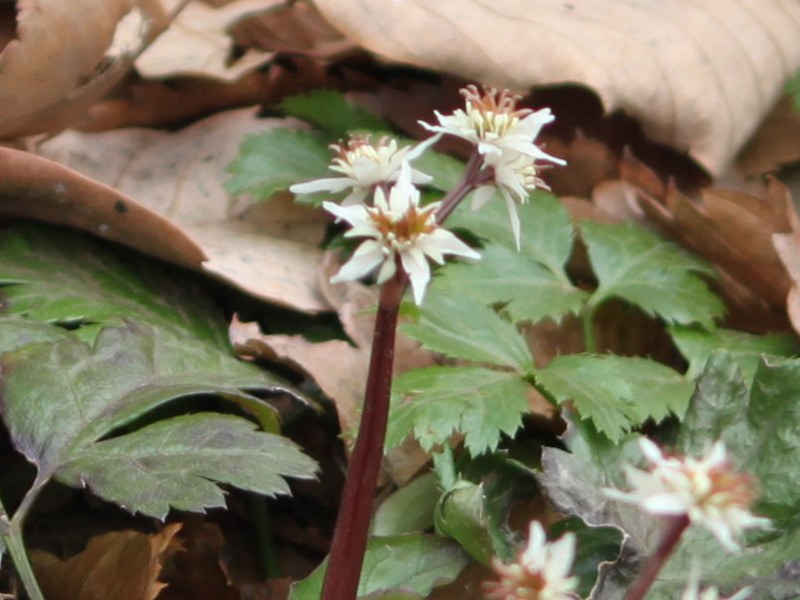
Generic name:Coptis anemonifolia (scientific name: Coptis japonica var. anemonifolia, aka: Kikuba-ouren, Origin: Japan, distribution: Japan's Hokkaido, Honshu, Shikoku, living environment: mountain's shade of the ground, height of the plant: 10 to 20 cm, root foliage, leaf shape: 3 times departure complex leaves, lobular form: ovate, leaf margin: rough saw tooth or fissure, sexual different strain, amphoteric flowers: stamens and several Petal, male flower: a large number of stamens, flower stem height: 20 to 50 cm, inflorescence form: general inflorescence, flower size: 1 cm, petal form: small spoon shape, flower color (actually calyx): white to pale yellow green, Number: 5 to 6, calyx shape: petal shape, flowering period: February to March, fruit type: baguede.


- OrderRanunculales

- FamilyRanunculaceae
- GenusCoptis
- SpeciesC. japonica var. anemonifolia
- Type of flowerRadial symmetrical flower
- Array of flowerGross inflorescence
- Petal shapeFive-petal
- Leaf type3-fold compound leaf
- Edge of the leafSerrated
- Life typeCold hardiness perennial grass
- Flower colorsWhite
- Colors of the leavesGreen
- Fruit color
- Height10.0 ~ 20.0 cm
- Diameter of flower1.0 ~ 1.0 cm