Ampelopsis japonica
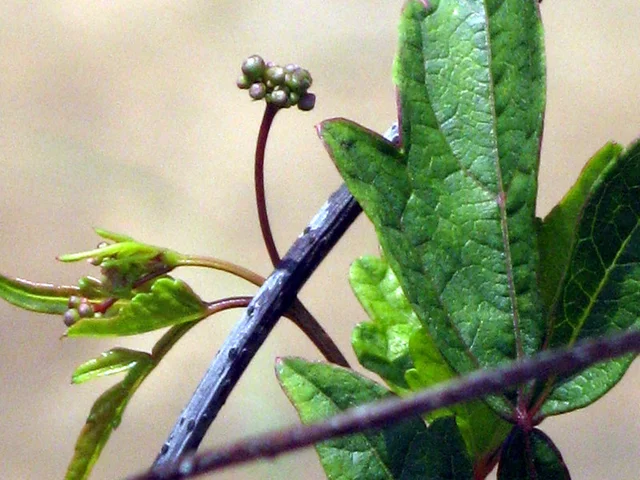 Location: Koishikawa Botanical Garden
- Location: Koishikawa Botanical Garden
- Location: Koishikawa Botanical Garden

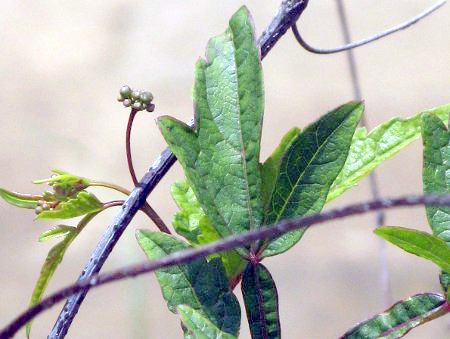

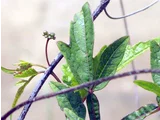
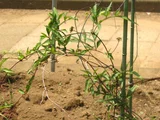
- Flower nameAmpelopsis japonica
- Scientific nameAmpelopsis japonica
- Aliasビャクレン, 鏡草, やまかがみ, 白蘞
- Place of originChina
- Place of flowering
- Flowering seasonMay, June
What is Ampelopsis japonica
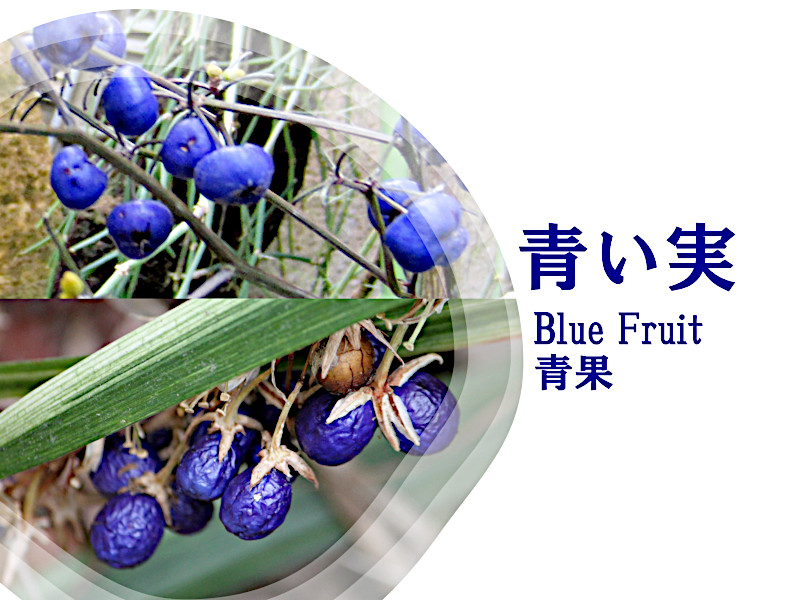
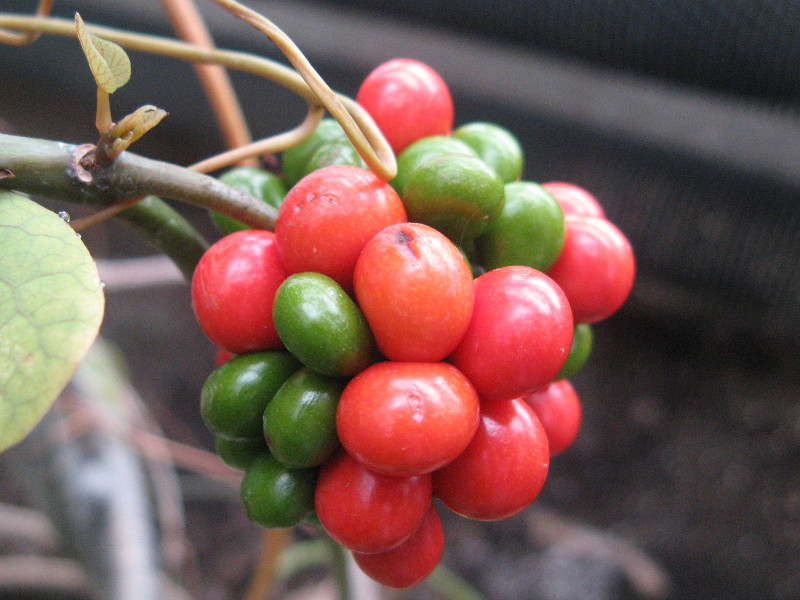
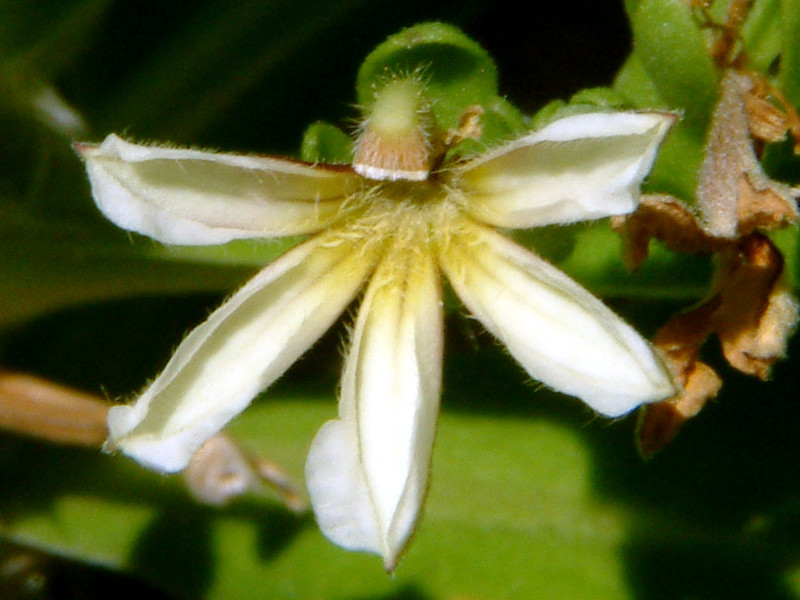
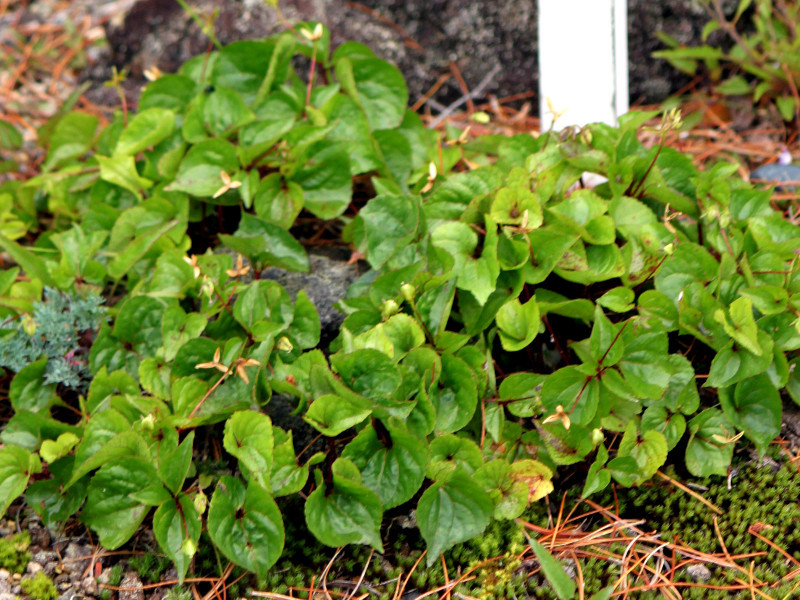
Ampelopsis japonica (Scientific Name:Ampelopsis japonica) is a perennial vine in the family Vitaceae native to China. It was brought to Japan during the Edo period for medicinal purposes. The leaves have a petiole with five palmate lobes and a curly beard characteristic of the genus Grape. The hairs and leaves grow in pairs. The leaf margins have coarse serrations. In late spring to early summer, it produces small, five-petaled, pale yellow flowers that grow in conglomerates from the opposite petioles. The post-flowering fruits are spherical, white, purple or blue in colour. Its enlarged roots have medicinal properties for detoxification, fever reduction and pain relief.
Common Name: Ampelopsis japonica, Scientific Name: Ampelopsis japonica, aka: White inconsiderate, Mountain grass, Kagamigusu, place of origin: China, Vine length: 1-10 m, Petiole: with, Leaf shape: palmate compound leaf with curly mustache, leaflets: small 3-5 pinnate deep lobes; lobes: rhombic; leaf margins: coarse serrated; inflorescence: alternate; inflorescence: clustered inflorescence; flower color: light yellow; number of petals: 5; flowering season: May-June; ripening season: September-October; fruit type: liquid fruit; fruit shape: spherical; fruit color: white/purple/blue; root shape: tuberous; medicinal effect (white acrid): detoxification of the root (swelling); use: edible and medicinal.


- OrderVitales

- FamilyVitaceae
- GenusAmpelopsis
- SpeciesA. japonica
- Type of flowerRadial symmetrical flower
- Array of flowerCluster inflorescence
- Petal shapewithout
- Leaf typepalisade compound leaf
- Edge of the leafSerrated
- Life typeVine and shrub
- Flower colors
- Colors of the leavesGreen
- Fruit color
- Height100.0 ~ 1000.0 cm
- Diameter of flower0.2 ~ 0.3 cm