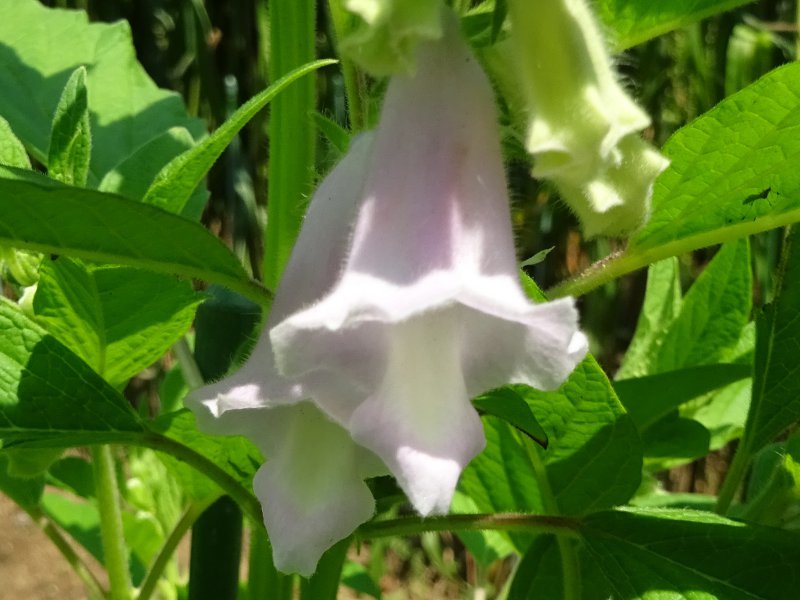
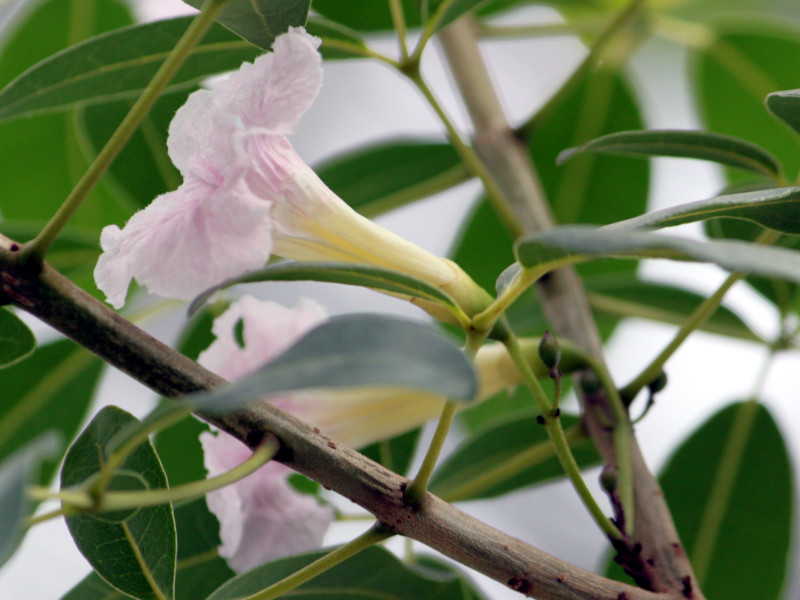
Aster iinumae
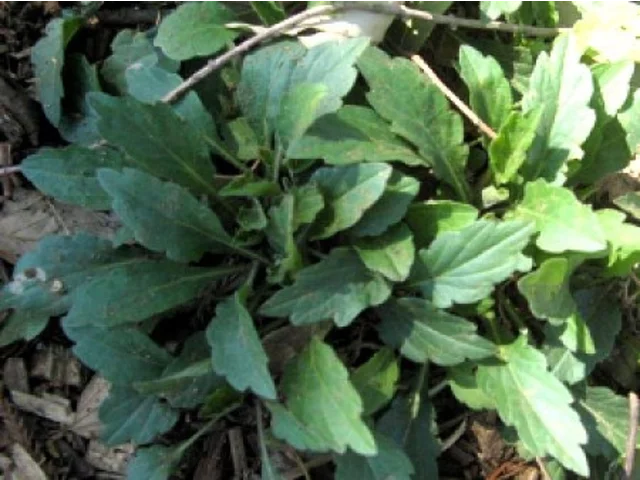 Location: Tsukuba Botanical Garden
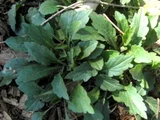
- Flower nameAster iinumae
- Scientific nameAster iinumae
- Alias柚香菊
- Place of originJapan
- Place of floweringFields and footpaths
- Flowering seasonJuly, August, September, October
What is Aster iinumae
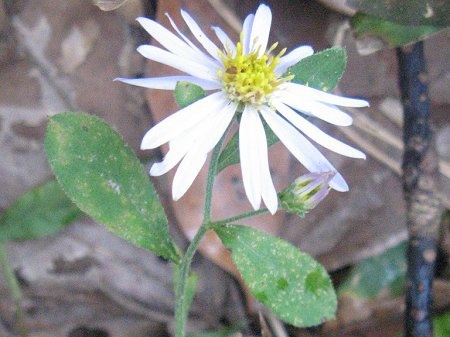
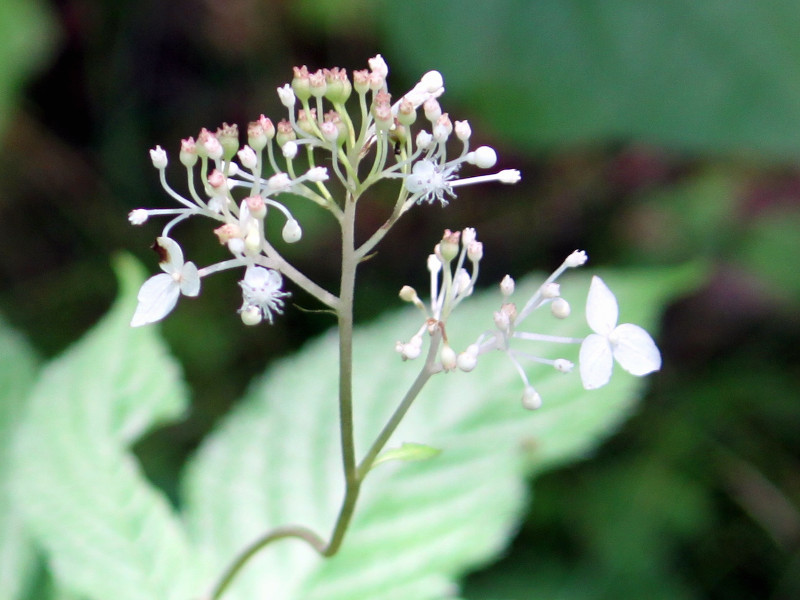
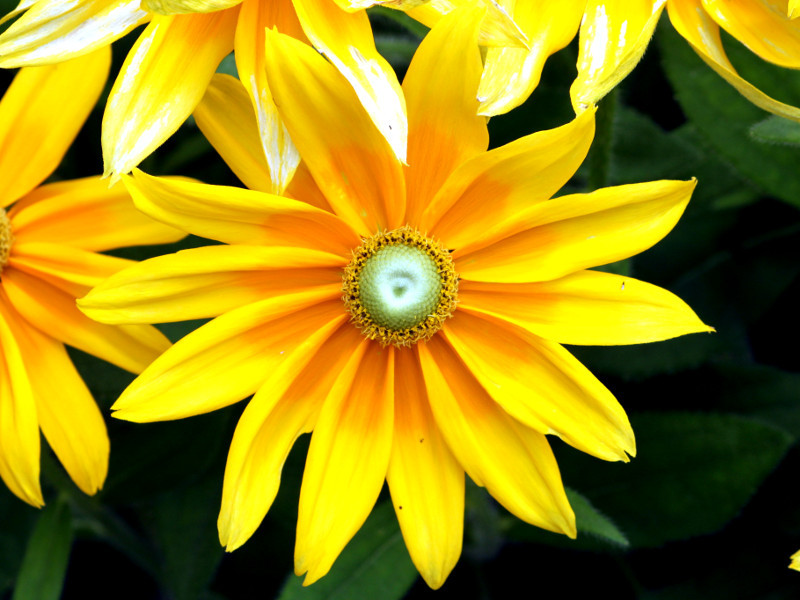
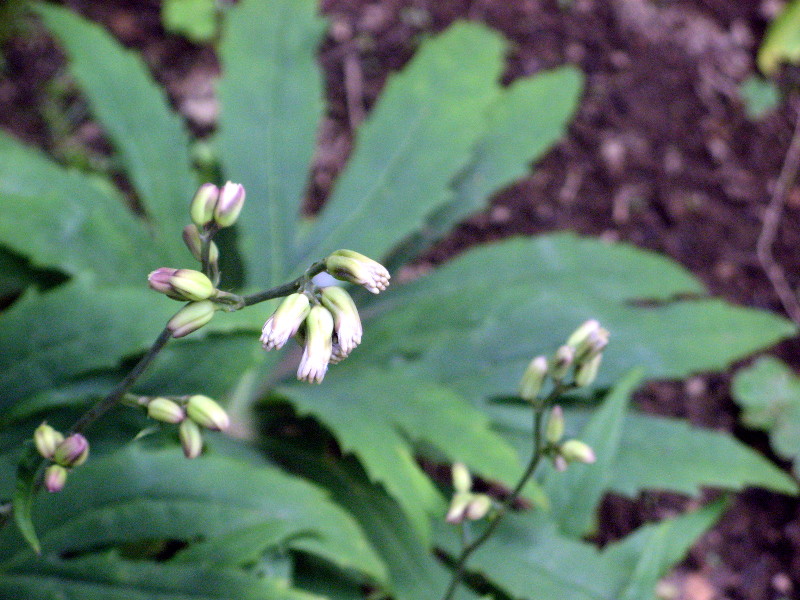
Aster iinumae or Japanese aster , false aster or Yuugagiku (scientific name: Aster iinumae) is a peculiar species of Japan, a perennial wild chrysanthemum of the Asteraceae family Zion. It is a plant of the Asteraceae family, and its origin is the name of the citrus scent when you crush the flowers. It grows to the sunny roadside and Yamano in northern Honshu Kinki. Branches branch off into wide angles and spread around them. The leaves are thin, slightly gritty, egg-shaped ellipsoidal shape, feathered split at the base, and adhere to each other. From summer to autumn, white to light blue purple head flowers bloom at the branch tip. Short seeds of crown hairs are sparsely attached to the sliced leaves that can be formed after flowers. Breeding increases in rhizomes. 'Iinumae' means the herbalists of the Edo period "Iinuma Risai".
Generic name: Aster iinumae or Japanese aster , false aster or Yuugagiku , Scientific name: Aster iinumae, aka: false aster, Japanese aster, Origin: Japan unique species, distribution: Honshu Kinki northeast Japan, environment: sunny roadside and mountain, grass length: 50 to 150 cm, leaf length: 7 to 8 cm, leaf width: 3 to 4 cm, leaf shape: lanceola shape , Leaf margin: rupture, flowering period: July to October, inflorescence: scattered inflorescence, corolla: head flower, flower color: white to light blue purple, flower size: 2.5 cm.


- OrderAsteraceae

- FamilyAsteraceae
- GenusAster
- SpeciesA. iinumae
- Type of flowerRadial symmetrical flower
- Array of flowerCorymbose inflorescence
- Petal shapeHead flower
- Leaf typelanceolate
- Edge of the leaf
- Life typeperennial wild chrysanthemum
- Flower colors
- Colors of the leavesGreen
- Fruit colorGreen
- Height50.0 ~ 150.0 cm
- Diameter of flower2.0 ~ 3.0 cm