hygrometricus earthstar
 Location: Copilot
- Location: Copilot
- Location: Hakobe Botanical Garden
- Location: Hakobe Botanical Garden
- Location: Hakobe Botanical Garden


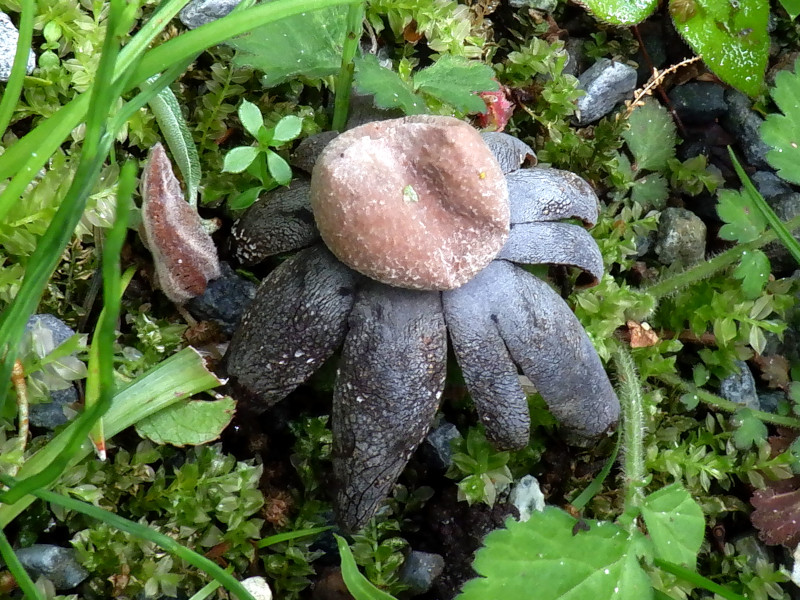
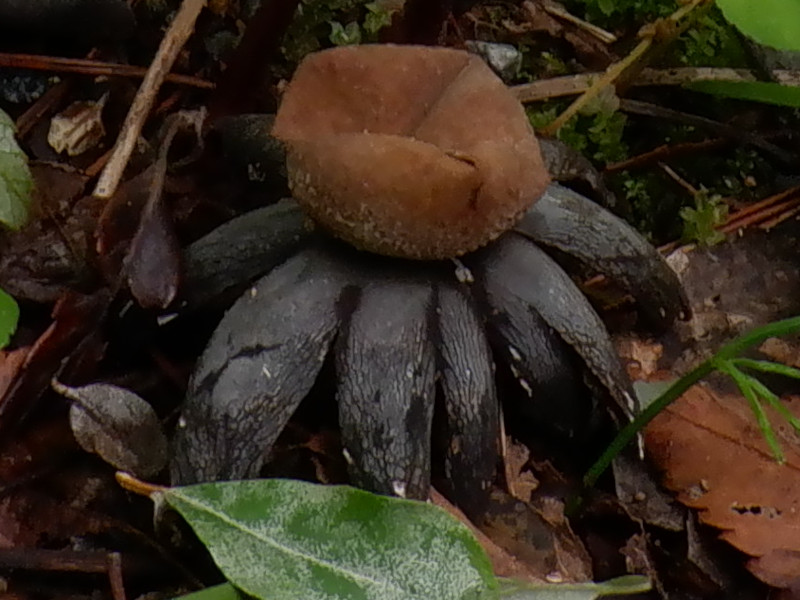
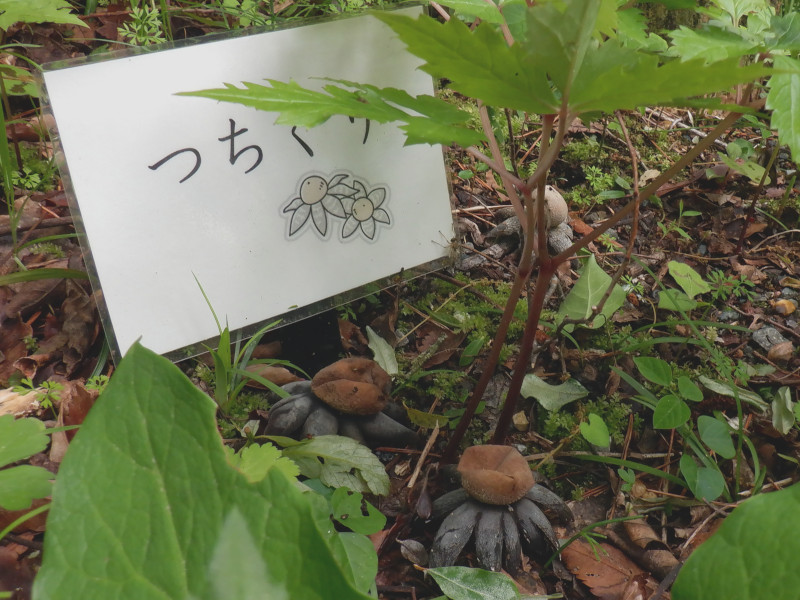


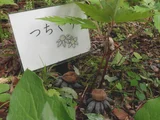
- Flower namehygrometricus earthstar
- Scientific nameAstraeus sp.
- Alias土栗
- Place of originJapan
- Place of floweringFields and footpaths
- Flowering seasonMay, June, July, August
What is hygrometricus earthstar
Astraeus (scientific name: Astraeus sp.) is a medium-sized mushroom belonging to the genus Astraeus in the family Astraeaceae, found worldwide.
From summer to fall, it grows partially or fully underground on slopes and cliffs within broadleaf forests and coniferous forests such as pine forests.
The fruiting body (mushroom) is spherical, about 2–4 cm in diameter, grayish-brown to black in color, and edible.
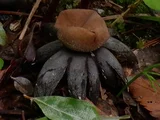
Mature specimens are spherical to flattened spherical, about 5 cm in diameter, with the outer skin splitting into 6 to 12 segments and opening into a star shape, resembling an octopus or a starfish.
On dry, sunny days, the outer skin closes and the mushroom curls up; on rainy days or when humidity rises, the outer skin opens widely into a star shape.
The inner membrane (a round sac) at the center of the star-shaped opening has a hole at its apex, through which spores are released into the air like smoke when struck by raindrops or other stimuli.
When the outer skin is curled up and blown by the wind, the mushroom rolls along because it is light.
Related species include the Kinugasatake and the Sankota.
Common name: Tsuchiguri (Earth Chestnut)
Scientific name: Astraeus sp.
Also known as: Tsuchigaki (Earth Persimmon), hygrometricus earthstar (English name), Hard-skinned Earthstar (Chinese name),
Classification: Phylum: Basidiomycota; Subphylum: Agaricomycotina; Class: Agaricomycetes; Subclass: Agaricomycetes; Order: Boletales; Family: Diplocystaceae; Genus: Astraeus
Habitat and Distribution: Worldwide; Distribution in Japan: Slopes and cliffs in forests throughout the country; Habitat: Subterranean to semi-subterranean;
Life Form: Mycorrhizal saprotrophic mushroom
Season: Summer to Fall
[Fruit Body] Spherical, diameter: 2 cm, grayish-brown to black, edible
[Mature] Spherical to subglobose, diameter 5 cm, outer skin splits into 6–10 segments
Edibility: Edible when young
Remarks: Gasteromycetes


- Order

- FamilyDiplocystaceae
- GenusAstraeus
- SpeciesA. sp.
- Type of flowerOther
- Array of flowerOther
- Petal shapeOther
- Leaf typeOther
- Edge of the leafOther
- Life typeedible mushroom
- Flower colorsOther
- Colors of the leavesGreen
- Fruit color
- Height2.0 ~ 5.0 cm
- Diameter of flower ~ cm