Edohigan
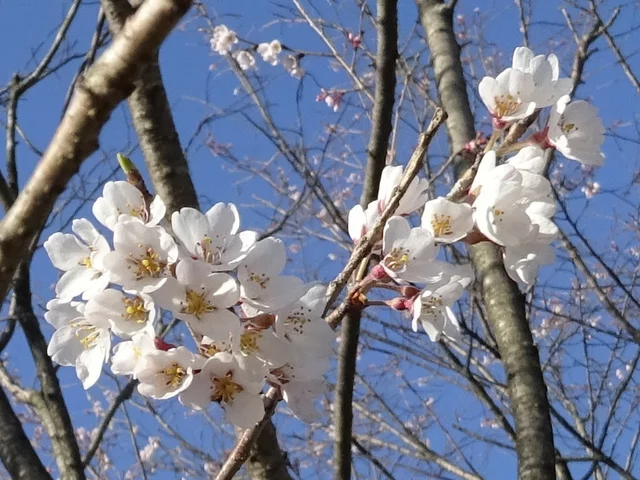 Location: Kyoto Botanical Garden
- Location: Kyoto Botanical Garden
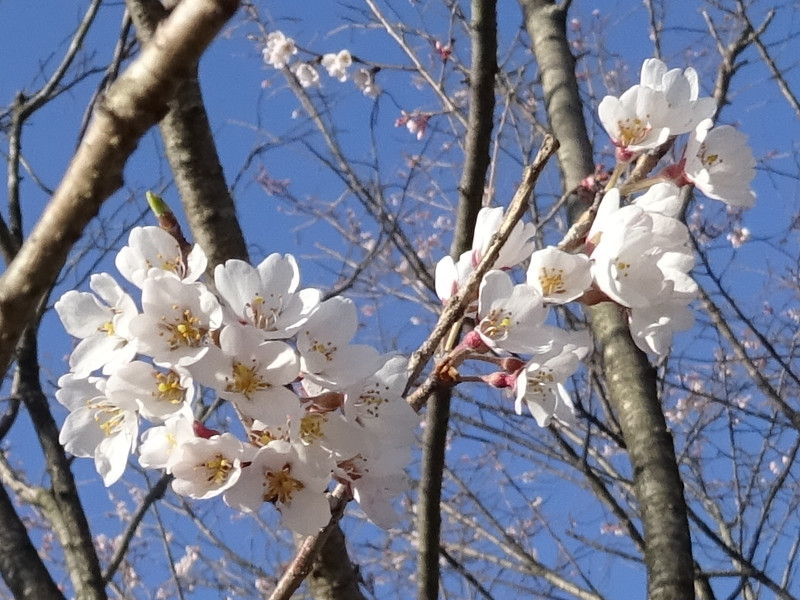
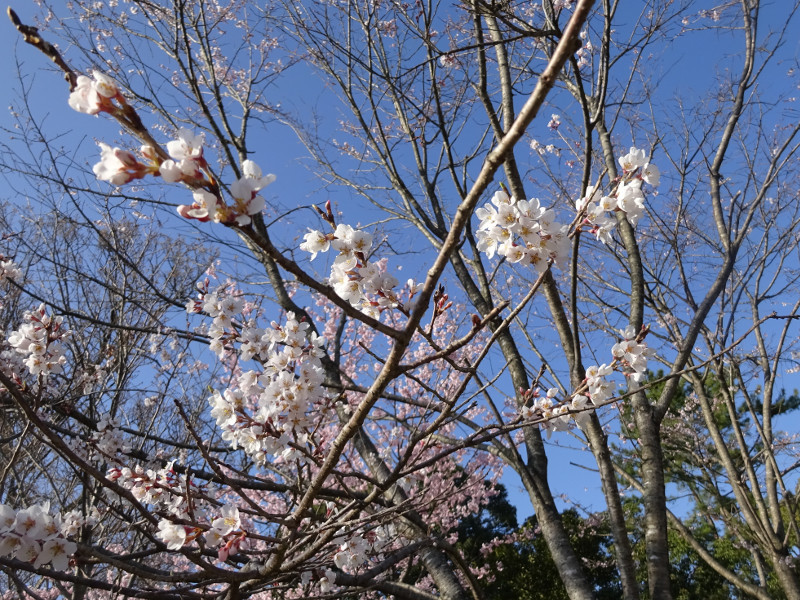
- Flower nameEdohigan
- Scientific nameCerasus itosakura f. ascendens
- AliasEdihigan, エドヒガン, Cerasus spachiana, Cerasus itosakura, アズマヒガン
- Place of originJapan
- Place of floweringBotanical Gardens, Low mountains, Park
- Flowering seasonMarch, April
What is Edohigan
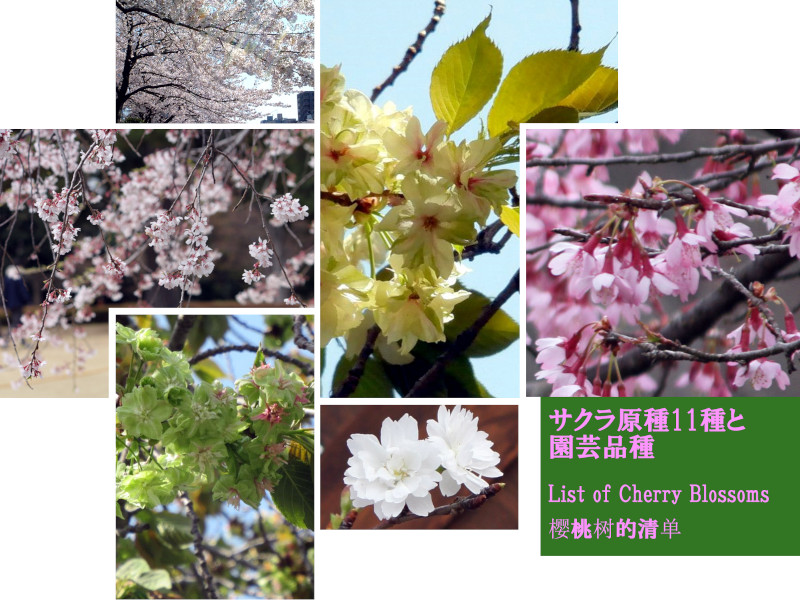
Edohigan (scientific name: Cerasus itosakura f. ascendens) is a wild species of deciduous broad-leaved " < i class = "linkify icon"> cherry " tree belonging to the family Rosaceae. As the name "Higan" implies, it is an early bloomer, and blooms before the leaves open. The flowers are single, rather small, and white to light red in color. The lower part of the calyx (base) has a globular bulge. The name "Somei-Yoshino" (scientific name: Cerasus ×yedoensis cv. yedoensis) comes from the fact that they start blooming around the equinoxes (March 21), earlier than "Somei-Yoshino" (scientific name: Cerasus ×yedoensis cv. yedoensis).
■Longevity
Many of the trees are over 1,000 years old, and some are over 2,000 years old. In addition to their ability to grow into giant trees, their flowers are beautiful, and of the 39 cherry trees that have been designated natural monuments, 11 are Edo-higan cherry trees or cherry trees in this family.
The Ishidogama-zakura (Kitamoto City, Saitama Prefecture), the Yamataka-jindai-zakura (Hokusou City, Yamanashi Prefecture), and the Neogaya Awazumi-zakura (Motosu City, Gifu Prefecture), which are both natural monuments and considered among Japan's five most famous cherry trees, are also edohigan cherry trees.
The mother of the Someiyoshino
This species is the mother species of many cherry trees because of its many flowers. Somei-Yoshino (C. x yedoensis cv. yedoensis), a representative cherry tree, is also a garden species bred from this species and Oshima-zakura.
Common name: Edohigan, scientific name: Cerasus itosakura f. ascendens, tree height: 15-25 m, leaf shape: elliptic, leaf blade: 5-10 cm, flower color: pale red to white. Petal shape: 5-petaled, blooming style: single, flower diameter: 3-4 cm, blooming season: late March-April.


- OrderRosales

- FamilyRosaceae
- GenusCerasus
- SpeciesC. itosakura f. ascendens
- Type of flowerRadial symmetrical flower
- Array of flowerCorymbose inflorescence
- Petal shapeFive-petal
- Leaf typeOval
- Edge of the leafSerrated
- Life typedeciduous broad-leaved tall tree
- Flower colorsPink White
- Colors of the leavesGreen
- Fruit color
- Height1500.0 ~ 2500.0 cm
- Diameter of flower3.0 ~ 4.0 cm