Chamaecyparis obtuse cv. Nakatae
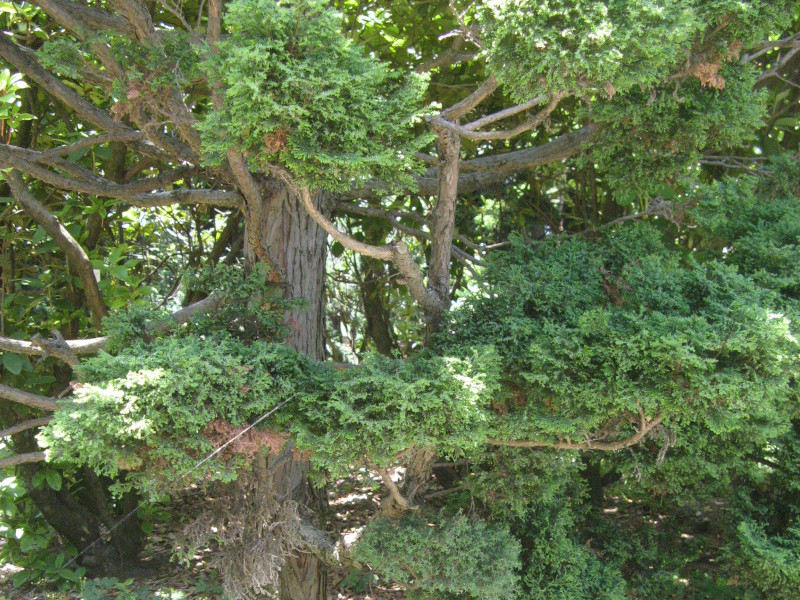

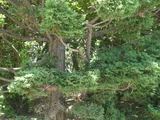
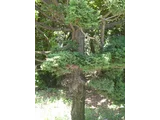
- Flower nameChamaecyparis obtuse cv. Nakatae
- Scientific nameChamaecyparis obtuse cv. Nakatae
- Alias矮鶏宿り, カマクラヒバ
- Place of originJapan (cultivars of Chamaecyparis pisifera)
- Place of floweringBotanical Gardens
- Flowering seasonApril
What is Chamaecyparis obtuse cv. Nakatae
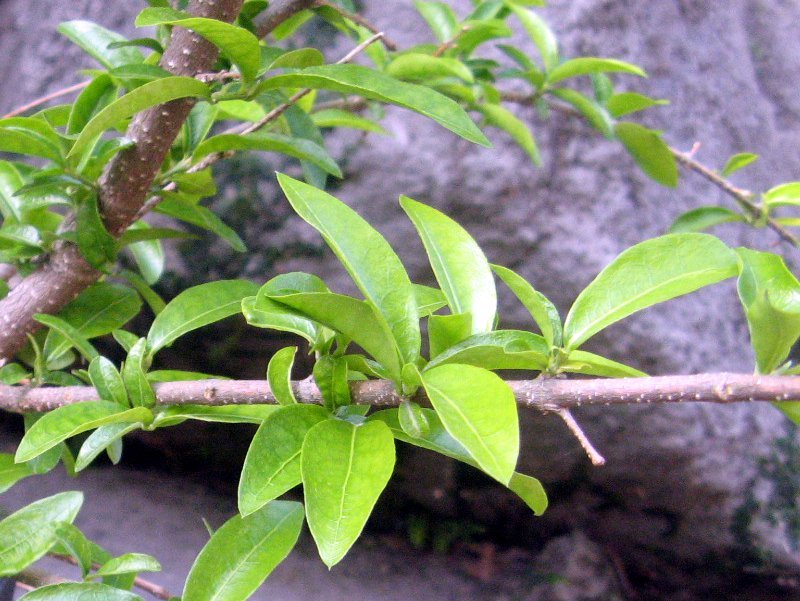
Chamaecyparis obtuse cv. Nakatae or dwarf chicken-chestnut (scientific name: Chamaecyparis obtuse cv. Nakatae) is a horticultural cultivar of the evergreen cypress (Hinoki cypress),, is a evergreen tree in the cypress family, Cupressaceae. It is a horticultural variety of the cypress tree bred for ornamental purposes. It is used for Japanese pagoda trees, park trees, and bonsai because of its slow growth and dense foliage. It is similar to the Chabohiba.
Meaning of the scientific name
The genus name "Chamaecyparis" is a compound of the Latin words "Chamae" (small) and "cyparis" (cypress). The species name "obtuse" is a compound of the Latin words "Chamae" (small) and "cyparis" (cypress).
Common name: Chamaecyparis obtuse cv. Nakatae or dwarf hensbill, scientific name: Chamaecyparis obtuse cv. Nakatae or Chamaecyparis obtusa Cv. Breviramea, alias: Kamakura hiba, origin: horticultural, height: 5 to 7 m, leaf shape Flowering season: April, Fruiting season: October-November Usage: Garden planting and bonsai.


- OrderPinales

- FamilyCupressaceae
- GenusChamaecyparis
- SpeciesC. obtuse cv. Nakatae
- Type of flowerRadial symmetrical flower
- Array of flowerMonopetal inflorescence
- Petal shapewithout
- Leaf typeLinear
- Edge of the leafEntire
- Life typeEvergreen small trees
- Flower colors
- Colors of the leavesGreen
- Fruit color
- Height500.0 ~ 700.0 cm
- Diameter of flower0.3 ~ 0.5 cm