Papyrus
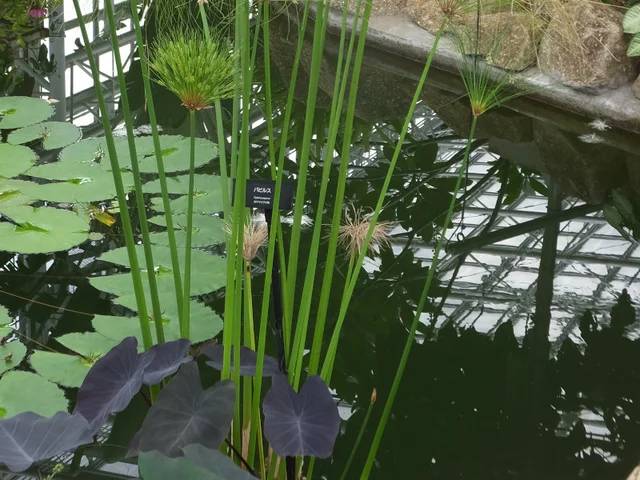 Location: Tokyo Metropolitan Jindai Botanical Park
- Location: Tokyo Metropolitan Jindai Botanical Park
- Location: Yumenoshima Tropical Greenhouse Dome
- Location: Sakuyakonohanakan
- Location: Tokyo Metropolitan Jindai Botanical Park
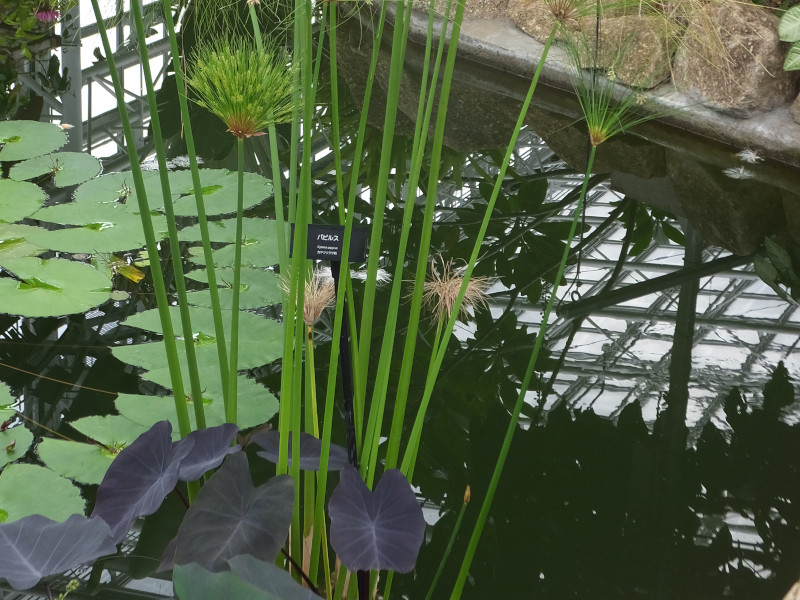

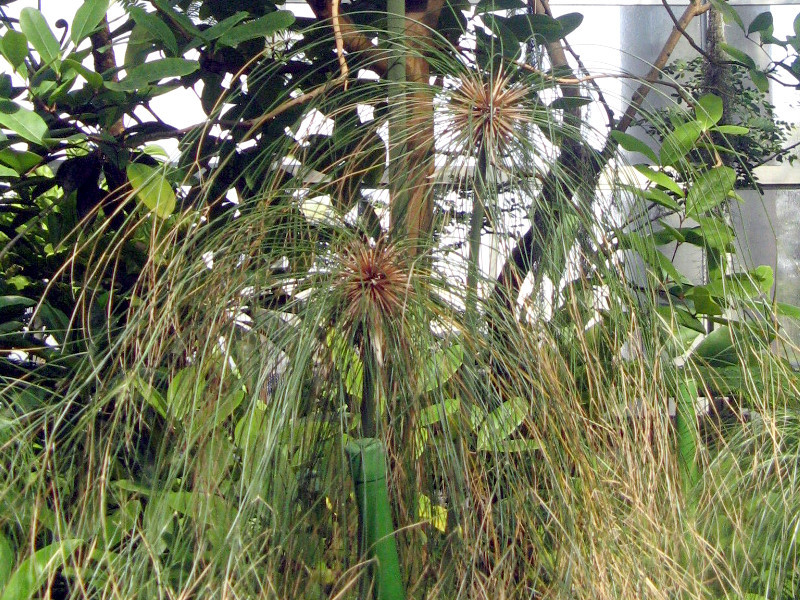
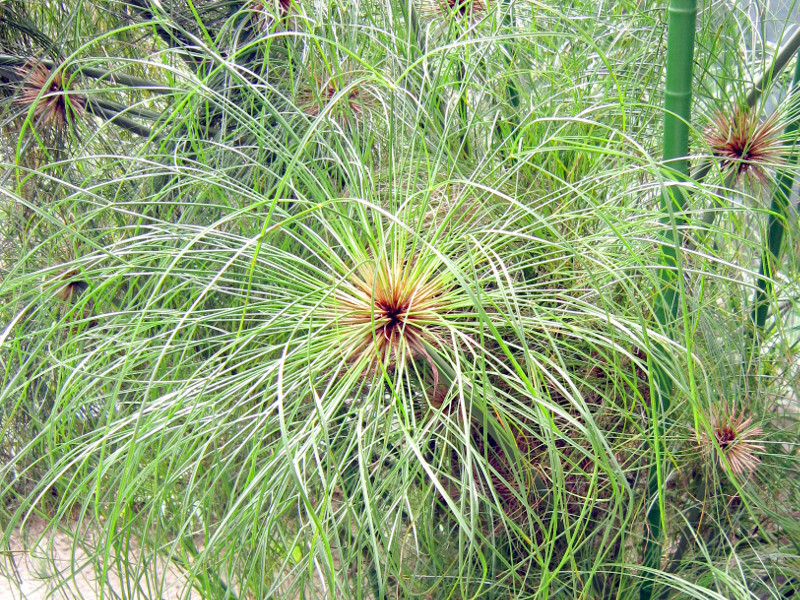

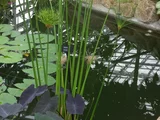
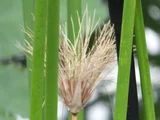
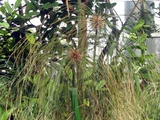
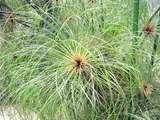
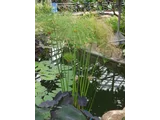
- Flower namePapyrus
- Scientific nameCyperus papyrus
- AliasPapyrus sedge, パピルス, Nile grass, 紙蚊帳吊, papyrus, シペラス
- Place of originEgypt
- Place of floweringWetlands, Greenhouse
- Flowering seasonJuly, August
What is Papyrus
Papyrus (scientific name: Cyperus papyrus) is a large, evergreen, perennial water plant in the family Cyperaceae, native to Egypt. The leaves are degenerate and scale-like. It is considered an ornamental plant. It was used as a calligraphic material in ancient Egypt. The stem has a triangular cross-section with white pith (fibers) inside. Cross-sections are cut into thin strips and pieced together, or the pith is peeled off and the pith is torn into small pieces, which are then dried to make calligraphy.
Common name:Papyrus, scientific name: Cyperus papyrus, also known as Cyperus, Papyrus sedge, Nile grass, origin: Nile River basin in Egypt, environment. Riparian, lakeside, living type: perennial, grass height: 1.5 to 2.5 m, stem color: green, stem cross-section: triangular, leaves: degenerate and scale-like, inflorescence form: small ears, flower ear length: 40 cm, flower color: brown, flowering season: July-August, fruit type: small hard fruits, fruit color: brown, use: ornamental plants.


- OrderPoales

- FamilyCyperaceae
- GenusCyperus
- SpeciesC. papyrus
- Type of flowerRadial symmetrical flower
- Array of flowerCone / Compound inflorescence
- Petal shapeSmall ears
- Leaf typeOther
- Edge of the leafOther
- Life typelarge, evergreen, perennial water plant
- Flower colorsBrown
- Colors of the leavesGreen
- Fruit color
- Height150.0 ~ 250.0 cm
- Diameter of flower0.6 ~ 0.8 cm