Japanese ash
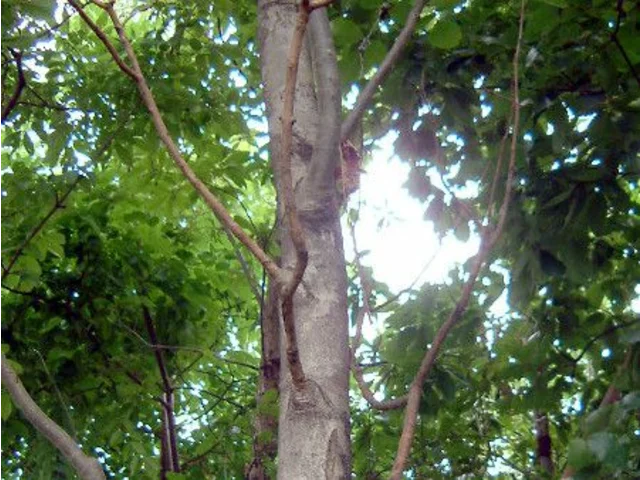 Location: Koto-ku(Tokyo)
- Location: Koto-ku(Tokyo)


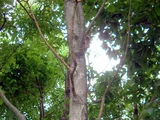
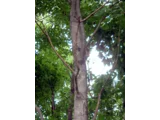
- Flower nameJapanese ash
- Scientific nameFraxinus japonica
- Alias十練子
- Place of originJapan
- Place of floweringGarden, Streets, Planting
- Flowering seasonMay, June
What is Japanese ash
Japanese ash (Fraxinus japonica) is a deciduous tree native to Japan in the family Oleaceae.
It grows naturally in sunny locations in warm mountainous areas in the northeastern to central regions of Japan.
The tree is 10-15 m tall with a semicircular trunk and grayish-white bark.
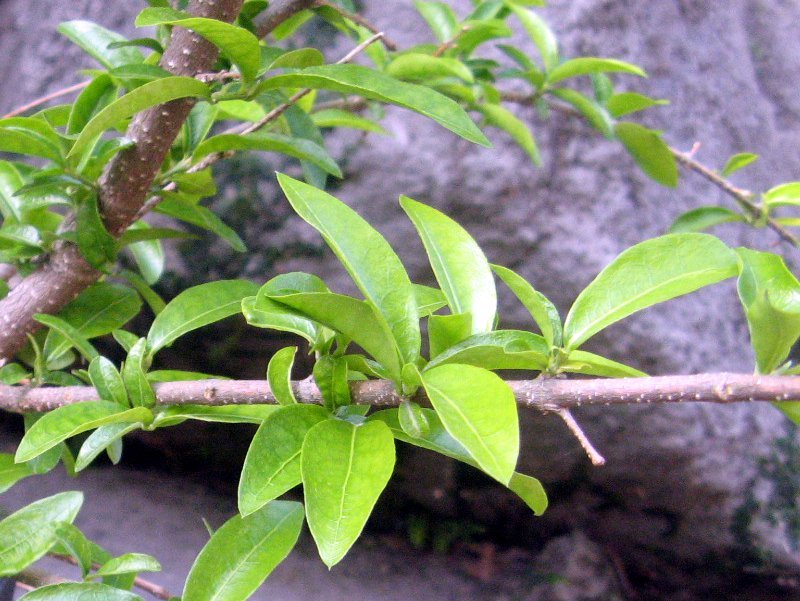
The leaves are green, 25-30 cm long, pinnately compound, with serrated edges, and are attached to the branches in opposite pairs.
It is dioecious. In May and June, conical inflorescences grow from the leaf axils and produce small, petal-less, pale purple flowers.
In August and September, it produces brown spatulate winged fruits 3 to 4 cm in diameter.
The tree is used as a garden tree, roadside tree, garden plantation, and rice rack. The wood is used for building materials, furniture, and equipment such as baseball bats and rackets.
Common Name: Japanese ash
Scientific Name: Fraxinus japonica
Family: Plant Kingdom, Angiosperms, Eudicots, Lamiales, Oleaceae, Fraxinus,, Fraxinus japonica
Aka: Sasatoneriko
Origin: Japan
Habitat: Warm mountain areas from Tohoku to Chubu regions
Life Form: Deciduous tall tree
Environment: Prefers sunlight
Height: 10-15 meters
Tree Shape: Semi-circular canopy
Bark Color: Grayish-white
Leaf Characteristics: Green, pinnate compound leaves
Leaf Size: 25-30 cm
Leaf Margin: Serrated
Leaf Arrangement: Opposite
Flower Characteristics: Dioecious
Blooming Period: May to June
Flower Shape: Panicle inflorescence
Flower Color: Light purple
Petals: None
Fruit Characteristics:
Fruiting Period: August to September
Fruit Shape: Spatulate samara
Fruit Size: 3-4 cm
Fruit Color: Brown
Uses: Trees: garden trees, street trees, landscape trees, rice rack trees. Wood: construction materials,
furniture, tools like bats and rackets. Bark: used in traditional Chinese medicine.


- OrderLamiales

- FamilyOleaceae
- GenusFraxinus
- SpeciesF.japonica
- Type of flowerRadial symmetrical flower
- Array of flowerCone / Compound inflorescence
- Petal shapewithout
- Leaf typeOdd pinnate compound leaf
- Edge of the leafSerrated
- Life typedeciduous tree
- Flower colorsPurple
- Colors of the leavesGreen
- Fruit colorRed
- Height1000.0 ~ 1500.0 cm
- Diameter of flower0.2 ~ 0.3 cm