Hama nigana
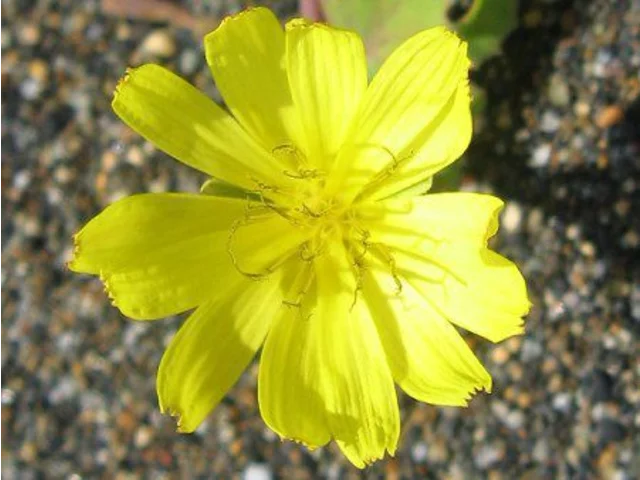 Location: Hokkaido heritage Wakka Natural Flower Garden
- Location: Hokkaido heritage Wakka Natural Flower Garden
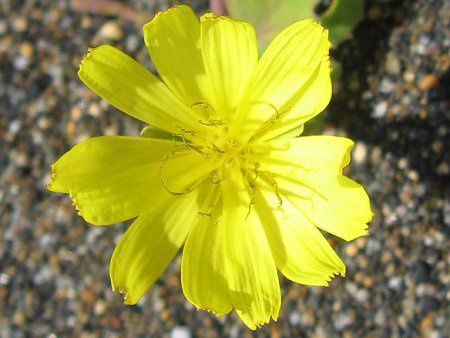
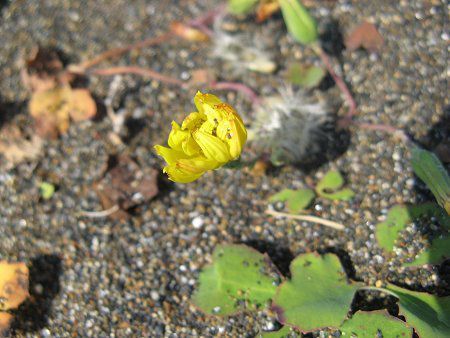
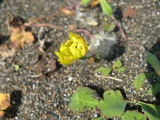
- Flower nameHama nigana
- Scientific nameIxeris repens
- Aliasハマチョウ, 浜公孫樹, 浜苦菜, Hama nigana
- Place of originJapan, Korea, China
- Place of floweringSeashore
- Flowering seasonJune, July, August, September
What is Hama nigana
Hama nigana (scientific name: Ixeris repens) is cinnamic perennial of wild grasses of the family Atheraceae family, in Japan, the Korean Peninsula, native to China. It can be seen on the coastal sandy beaches across Japan. White rhizomes do not appear on the surface but extend deeply in the sand, leaving only leaves and flowers on the ground. In the summer, yellow flowers similar to dandelion (Taraxacum) with low plant height are bloomed. Flowers are a collection of twelve pieces of tongue-shaped flowers at the tip of the flower which comes out from the sand. Flower stems are thin, short and assimilated in sand and unobtrusive, so it looks like flowers are blooming directly from the sand. Leaves are also attached to the tip of the petiole stretched from the top of the sand, it seems like a leaf of ginkgo (grandchild tree) because it is shallowed to 3 to 5 pieces. As it blooms on the beach and the leaves resemble the leaves of the public descendant tree, it is also called Hamagyo (Hama Kuniki) in another name.
Common name: Hama nigana, scientific name: Ixeris repens , aka Hama Icho, distribution: all over Japan , Stem length: 100 cm, plant height: 3 to 15 cm, leaf shape: palm shape, leaf margin: tooth, inflorescence: inflorescence, flower color: yellow, flower diameter: 2 to 3 cm, flowering period: June to September, fruit type: lean meat.


- OrderAsterales

- FamilyAsteraceae
- GenusIxeris
- SpeciesI. repens
- Type of flowerRadial symmetrical flower
- Array of flowerCorymbose inflorescence
- Petal shapeTongue-shaped
- Leaf typePalm shape
- Edge of the leafToothed
- Life typeCreeping perennial Wildflower
- Flower colorsYellow
- Colors of the leavesGreen
- Fruit colorGreen
- Height3.0 ~ 15.0 cm
- Diameter of flower2.0 ~ 3.0 cm