Primula megaseifolia
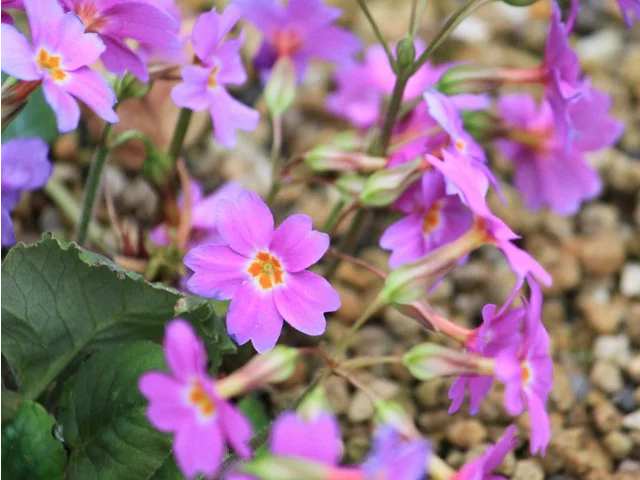 Location: Kyoto Botanical Garden
- Location: Kyoto Botanical Garden
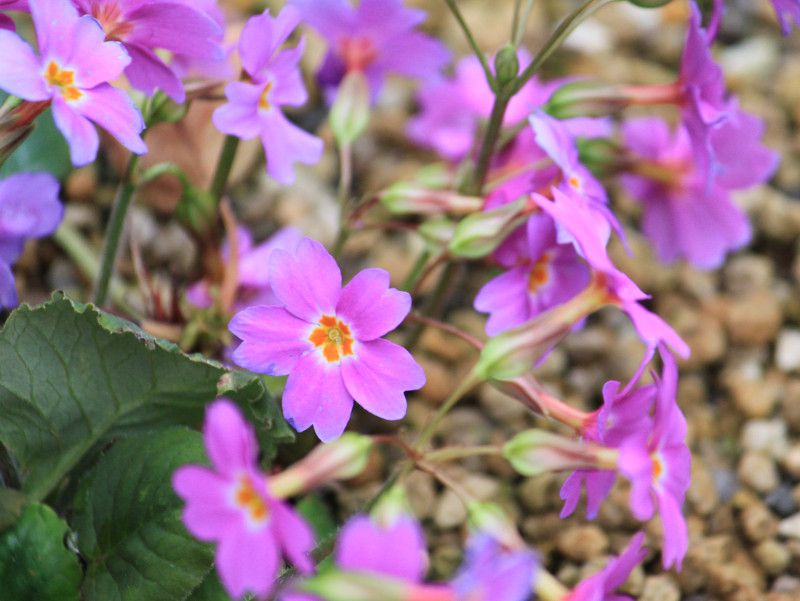
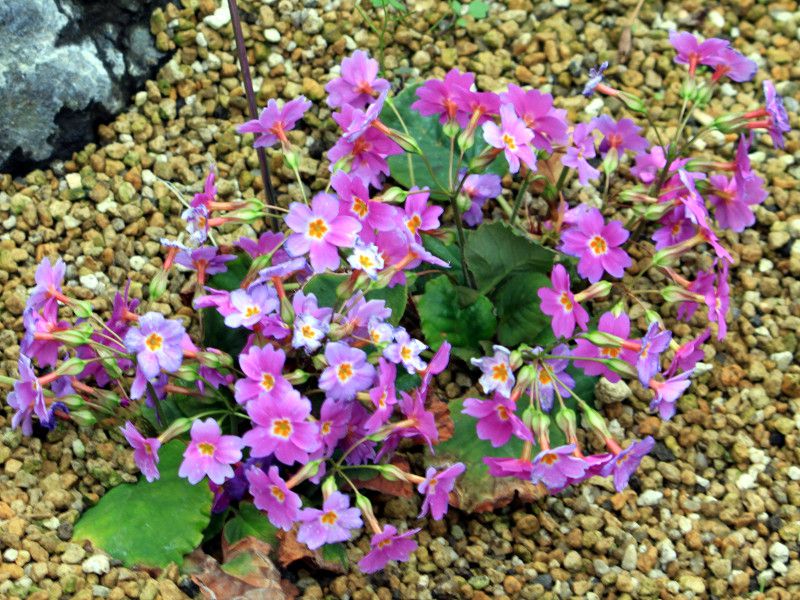
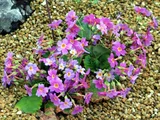
- Flower namePrimula megaseifolia
- Scientific namePrimula megaseifolia
- AliasPrimura
- Place of originTurkey
- Place of floweringGarden, Botanical Gardens, Potted flower
- Flowering seasonMarch, April, May
What is Primula megaseifolia
Primula megaseifolia (scientific name: Primula megaseifolia) is a heat-tolerant perennial herb of the primrose family Primulaceae, native to Turkey. It grows wild in moist canyons and shady forests in Altobin, Rize, and Trabzon, Turkey. It produces flower stalks in spring with sparse tubular flowers that grow in diffuse inflorescences from the stem tips. The petals are five lobed at the tip, and each lob is further divided into two shallow lobes. The genus name Primula means "first" in Latin.
Common name: Primula megaseifolia, scientific name: Primula megaseifolia, origin: Anatolia, Turkey, habitat: grows wild in moist canyons and shady woods, height: 10 to 20 cm, leaf shape (rooting leaves): round, leaf color dark green; margin: roughly serrate; flowering season: March to May; flower diameter: 1 to 1.5 cm; flower color: dark pink to reddish purple with a yellow throat; inflorescence shape: sporadic inflorescence; corolla shape: tubular flower with 5 lobes at the tip and 2 shallow lobes on each lobes; insectivore: moth; uses: garden plantings, potted plants


- OrderEricales

- FamilyPrimulaceae
- GenusPrimula
- SpeciesP. megaseifolia
- Type of flowerRadial symmetrical flower
- Array of flowerScattered inflorescence/ umbrella shape
- Petal shapeTubular
- Leaf typeRound
- Edge of the leafSerrated
- Life typeheat-tolerant perennial herb
- Flower colorsPink
- Colors of the leavesGreen
- Fruit color
- Height10.0 ~ 20.0 cm
- Diameter of flower1.5 ~ 2.0 cm