Veronicastrum stenostachyum
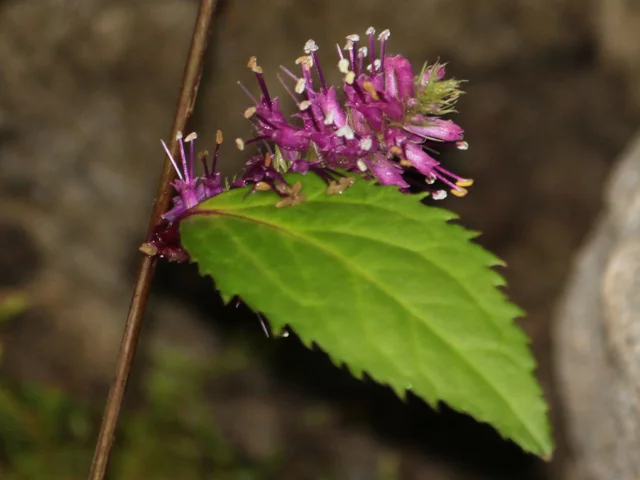 Location: Hakobe Botanical Garden
- Location: Hakobe Botanical Garden
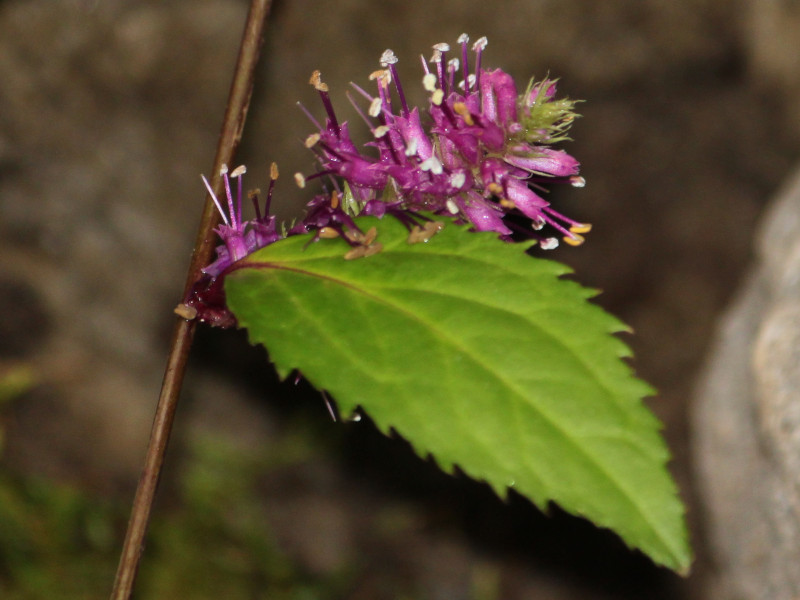
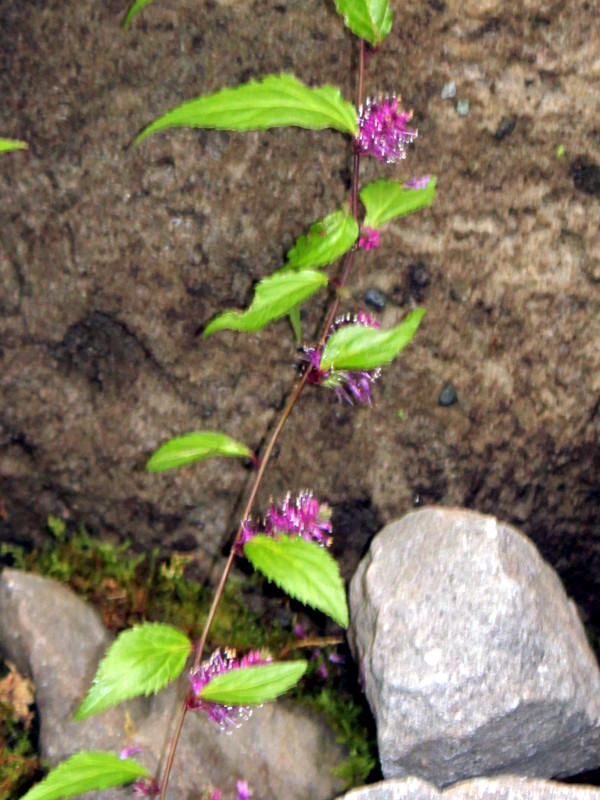
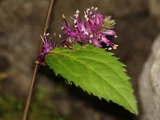
- Flower nameVeronicastrum stenostachyum
- Scientific nameVeronicastrum stenostachyum ssp. stenostachyum
- Alias瑠璃鈴懸
- Place of originChina
- Place of floweringFields and footpaths, Specific area
- Flowering seasonAugust, September
What is Veronicastrum stenostachyum
Veronicastrum stenostachyum or Ruri-suzukake (Veronicastrum stenostachyum ssp. stenostachyum) is a semi-vining perennial lodging herb and wildflower native to China and belonging to the genus Veronicastrum in the family Plantaginaceae. It grows on the forest understory, in meadows at forest margins, and in shady, moist places in valleys. The grass grows up to 1 m tall. The stem is cylindrical, with the stem tops reaching the ground and producing roots. The leaves are papery, long-ovate to lanceolate with a pointed tip, and have coarse serrations on their margins.
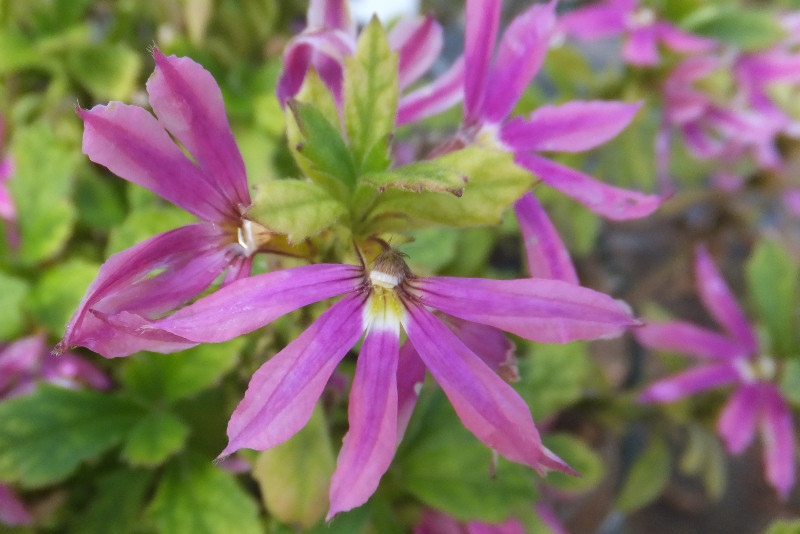
From July to September, a 2 cm long inflorescence grows from the leaf axils and produces tubular flowers with four shallow lobes at the tips. The flowers are purple to reddish purple in color. The inside of the flower tube has soft hairs. There are two stamens and one pistil. Sepals and bracts are usually shorter than the corolla. The flowers are followed by an ovoid capsule. The seeds inside are small.
Chinese medicine
The whole plant is medicinal. The taste is bitter and slightly cold. It has medicinal effects against antibacterial, hematophagous, and ascites elimination. Veronicastrum stenostachyum ssp. stenostachyum, English name: berrywort, stenostachyum (Veronicastrum stenostachyum), Origin: China, Life form: perennial, herb height: 1 m, Leaf texture: papery; leaf shape: long ovate to lanceolate, acute; leaf margin: serrate; inflorescence: alternate; flowering site: leaf axils,
Flowering season: July to September; Inflorescence height: 2 cm; Corolla shape: tubular with 4 shallow lobes at the tip; Inside of corolla: soft hair; Corolla length: 0.5 cm; Flower color: reddish purple to purple; Number of stamens: 2; Number of pistils: 1; Fruit type: capsule; Fruit shape: egg-shaped; Seed: small; Use: medicinal.


- OrderLamiales

- FamilyPlantaginaceae
- GenusVeronicastrum
- SpeciesV. stenostachyum ssp. stenostachyum
- Type of flowerRadial symmetrical flower
- Array of flowerSpikelet inflorescence
- Petal shapeTubular
- Leaf typeovoid
- Edge of the leafSerrated
- Life type semi-vining perennial lodging herb
- Flower colorsRed Purple
- Colors of the leavesGreen
- Fruit color
- Height100.0 ~ 100.0 cm
- Diameter of flower0.5 ~ 0.5 cm