Rhododendron dilatatum
Rhododendoron dilatatum
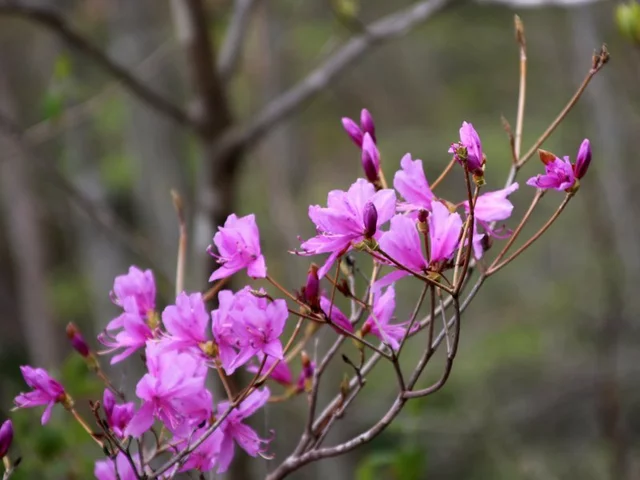 Location: Kofu
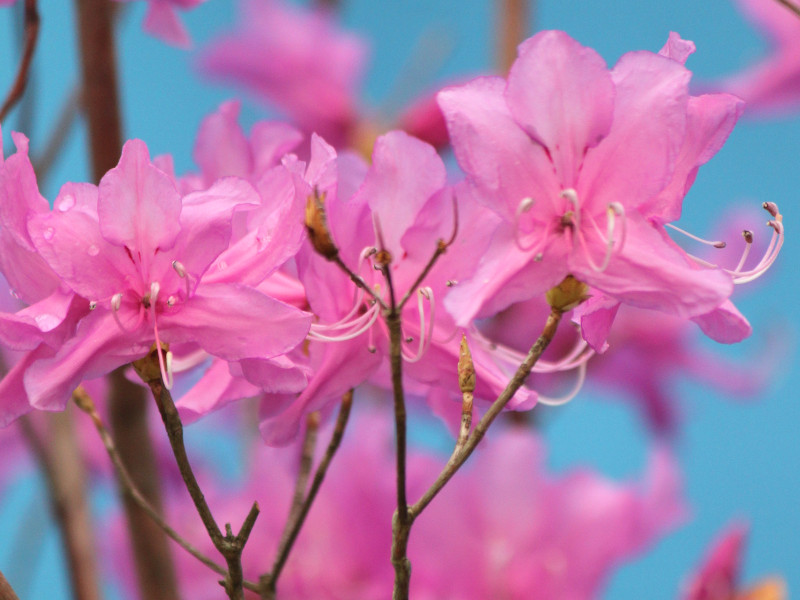
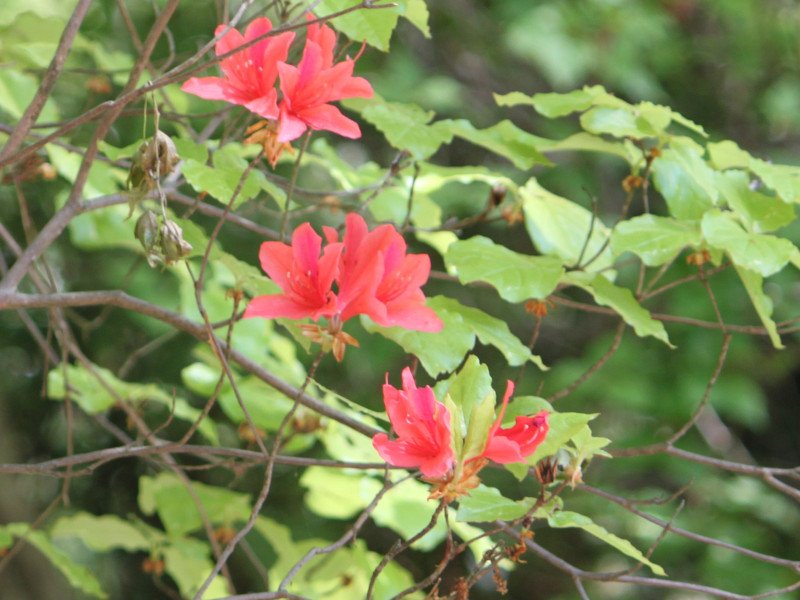
- Location: Hakobe Botanical Garden
- Location: Hakobe Botanical Garden
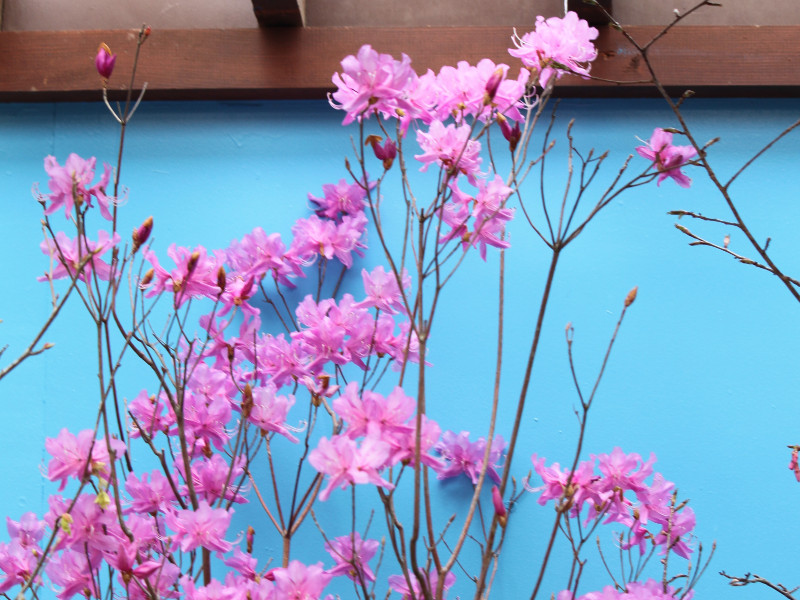
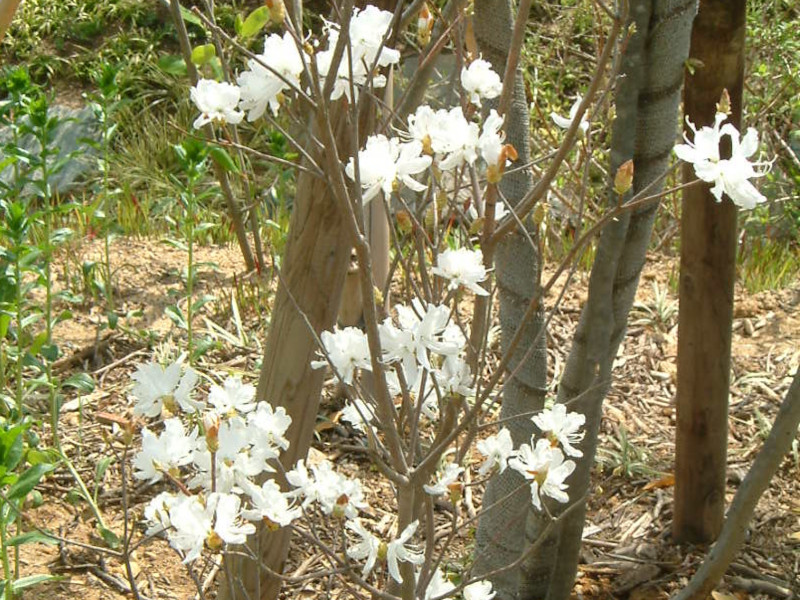
- Location: Hotel New Ohtani
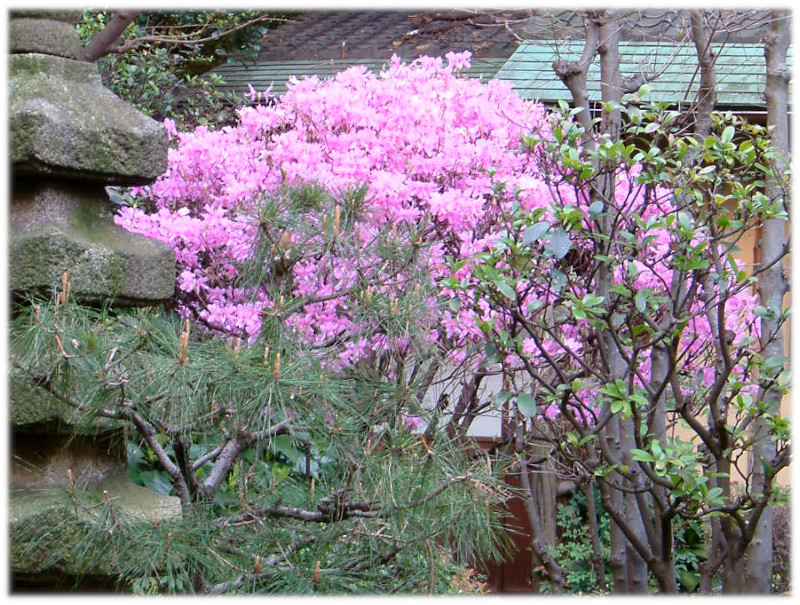
- Location: Kyoto Botanical Garden
- Location: Kyoto Botanical Garden
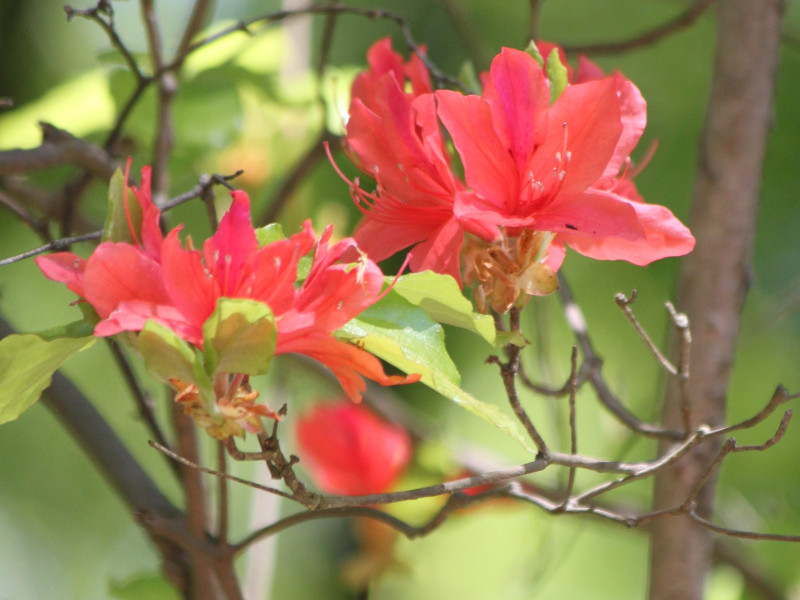
- Location: Hamanako Garden Park(Pacific Flora 2004)
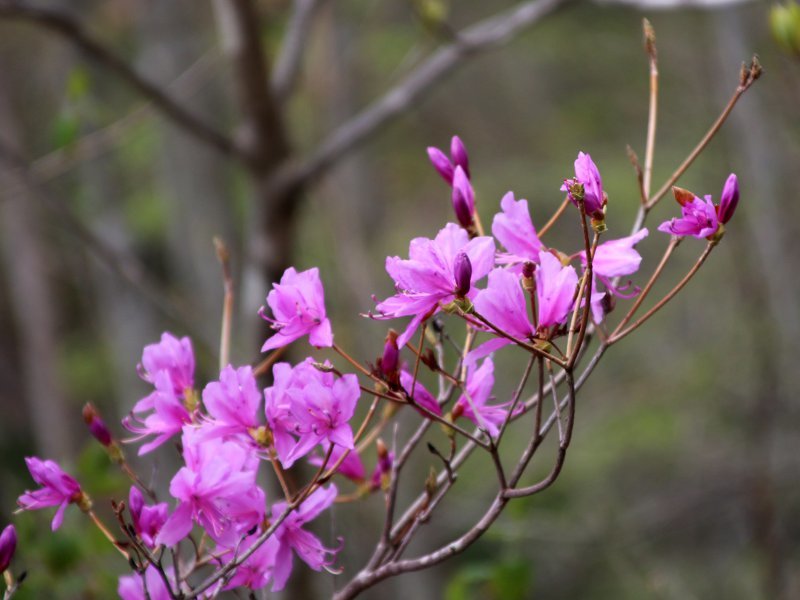


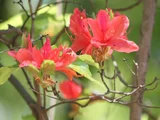
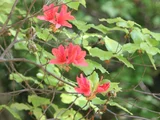
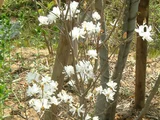
- Flower nameRhododendron dilatatum
- Scientific nameRhododendoron dilatatum
- Alias三葉躑躅
- Place of originendemic to Japan
- Place of floweringGarden, Botanical Gardens, Low mountains
- Flowering seasonMarch, April
What is Rhododendron dilatatum
Rhododendoron dilatatum or Mitsuba tsutsuji (scientific name: Rhododendoron dilatatum) is a deciduous broad-leaved shrub in the Ericaceae family, Rhododendron, endemic to Japan.
It is an early flowering azalea. It grows naturally in thickets on the Pacific side of the Kanto to Kinki regions. The only azalea that is toxic is the renge azalea, but all others are non-toxic. It is used for garden and potted plants.
Physical examination of the three-leaf azalea
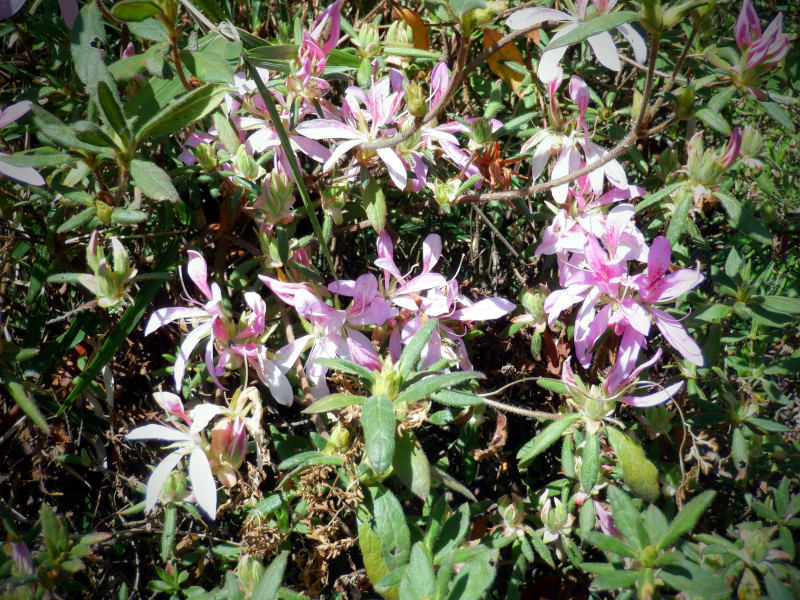
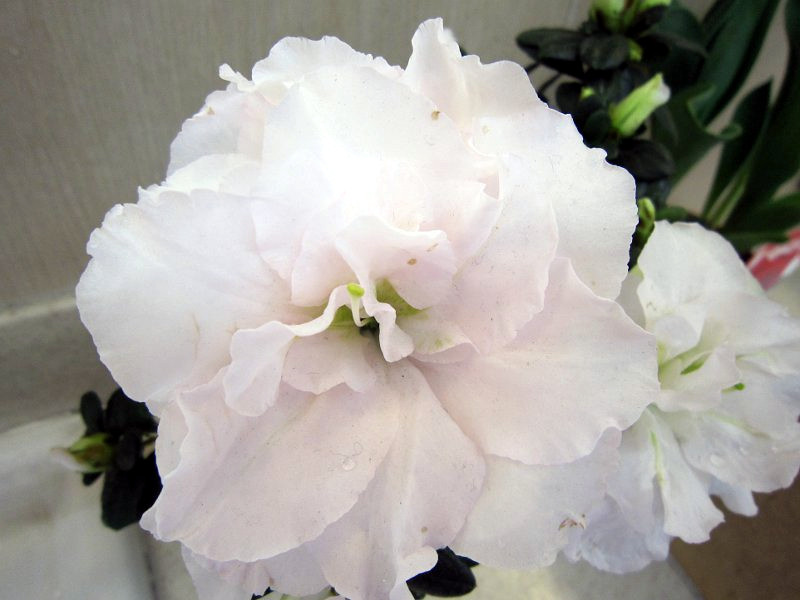
The tree is 100-300 cm tall. The branches are slender and grow easily upward. The leaves are green, rhomboidal and broadly ovate, with full margins that are slightly wavy. The flowers bloom before the leaves emerge, from mid-March to mid-April, with two to three flowers at the ends of the branches, funnel-shaped with five lobes at the tip and dark spots on the top inside. The flowers are reddish purple, peach, or white in color, 3-4 cm in diameter, and have five stamens.
It is mentioned in the Manyoshu, the oldest anthology of Japanese poetry.
Basic Data on Rhododendoron dilatatum
Generic name: Rhododendron dilatatatum, Scientific name: Rhododendoron dilatatatum, Place of origin: Pacific side of Kanto to Kinki, Japan; environment: thickets, Living type: deciduous broad-leaved shrub; height: 100-300 cm, Leaf shape: rhomboid, broad-ovate; leaf color: green; petiole: 3-lobed; leaf margin: wavy at all margins, Flower diameter: 3 to 4 cm; color: reddish purple, peach, white; flowering period: mid-March to mid-April,number of stamens: 5, Use: Garden trees, potted plants.


- OrderEricales

- FamilyEricaceae
- GenusRhododendron
- SpeciesR. dilatatum
- Type of flowerRadial symmetrical flower
- Array of flowerGross inflorescence
- Petal shapeVase-shaped
- Leaf typerhombic
- Edge of the leafEntire
- Life typeDeciduous broad-leaved shrub
- Flower colorsRed Pink White
- Colors of the leavesGreen
- Fruit colorGreen
- Height100.0 ~ 300.0 cm
- Diameter of flower3.0 ~ 4.0 cm