Palmate maple
The birth flower for October 31
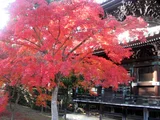
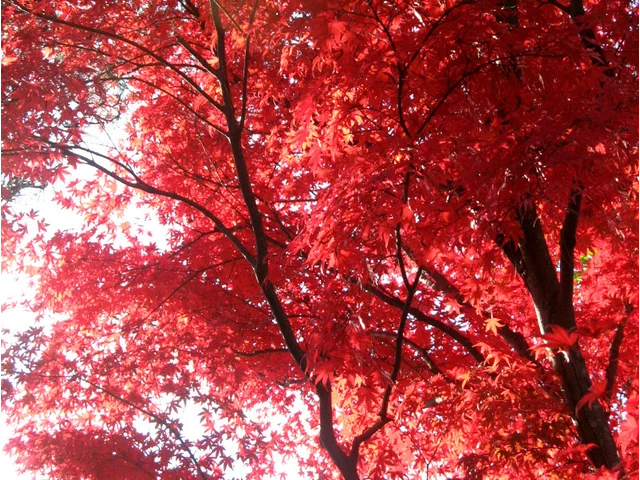 Location: Kyoto
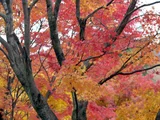
- Location: Kyoto
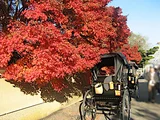
- Location: Kyoto
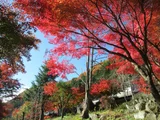
- Location: Numata, Gunma
- Location: Kyoto
- Location: Numata, Gunma
- Location: Numata, Gunma
- Location: Kyoto
- Location: Numata, Gunma
- Location: Kyoto
- Location: Kyoto
- Location: Kyoto Botanical Garden
- Location: Koishikawa Botanical Garden
- Location: Hotel New Ohtani
- Location: Koishikawa Botanical Garden
- Location: Ichikawa zoo&botanical garden(Chiba,Japan)
- Location: Mount Takao
- Location: Toshodai-ji Temple of Nara
- Location: Shinjuku Gyoen National Garden
- Location: Koishikawa Botanical Garden
- Location: Kiba Park
- Location: Mount Takao
- Location: Kyoto
- Location: Kyoto
- Location: Kyoto
- Location: Kyoto
- Location: Mizuho Yanagishita Productions


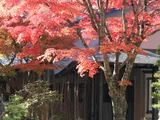
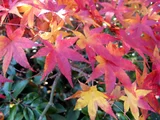
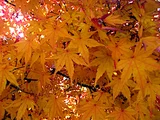
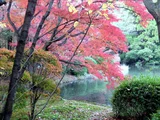
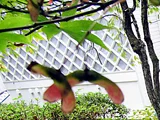
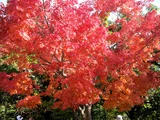
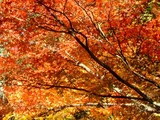
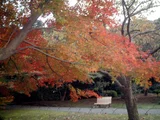
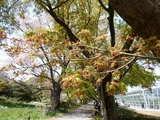
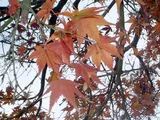
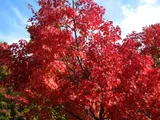
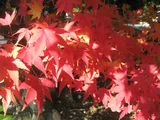
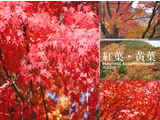
- Flower namePalmate maple
- Scientific nameAcer palmatum
- AliasJapanese Maple, モミジ, 紅葉, いろは紅葉, イロハカエデ, palmate maple, momiji, Acer palmatum, Maple
- Place of originEast Asia such as Japan, Korea, Taiwan, China,eastern Mongolia
- Place of floweringGarden, Botanical Gardens, Low mountains, Cemetery & Temple, Park, Horticultural species, Bonsai, Ornamental plants, Hakone
- Flowering seasonApril, May
- Purposes
- Language of flowers"Cherished Memories" , "Reserve"
What is Palmate maple
The birth flower for October 31 is the Iroha Maple (scientific name: Acer palmatum) , Maple (scientific name: Acer) >.
🍁💧The maple: “Why do they turn red when they’re about to fall?” A two-voice dialogue
by Aqua
💧“Maple, you’re bright red.”
🍁“That’s right.”
💧“Did the red start showing because the green is gone?”
🍁“It’s not just that. The red is produced later.”
💧 “Huh? On purpose?”
🍁 “Yeah.”
💧 “But… these leaves are about to fall, right?”
🍁 “That’s right.”
💧 “So why turn them red?”
🍁 “Because I still have work to do.”
💧 “Work?”
🍁 “Before I fall, I’m giving back to the tree whatever I can.”
💧 “So, what about the red ones?”
🍁 “That’s the color that lets them keep working until the very end.”
💧 “…I thought they were just burning.”
🍁 “We’re busy getting ready for winter over here.”
💧 “Sorry for just sightseeing.”
Palmate maple or Irohamomiji
Palmate maple or Irohamomiji (scientific name:Acer palmatum) is a deciduous small tree native to East Asia, including Japan, and belongs to the soapberry family (Sapindaceae) in the genus Acer.
It is also known by various names such as Iroha Kaede, Takao Kaede, Japanese Maple, Momiji, Maple, and Koyo.
In Japan, it naturally grows in lowlands to low mountains from the southern Tohoku region to Shikoku and Kyushu. It is also cultivated for ornamental purposes.
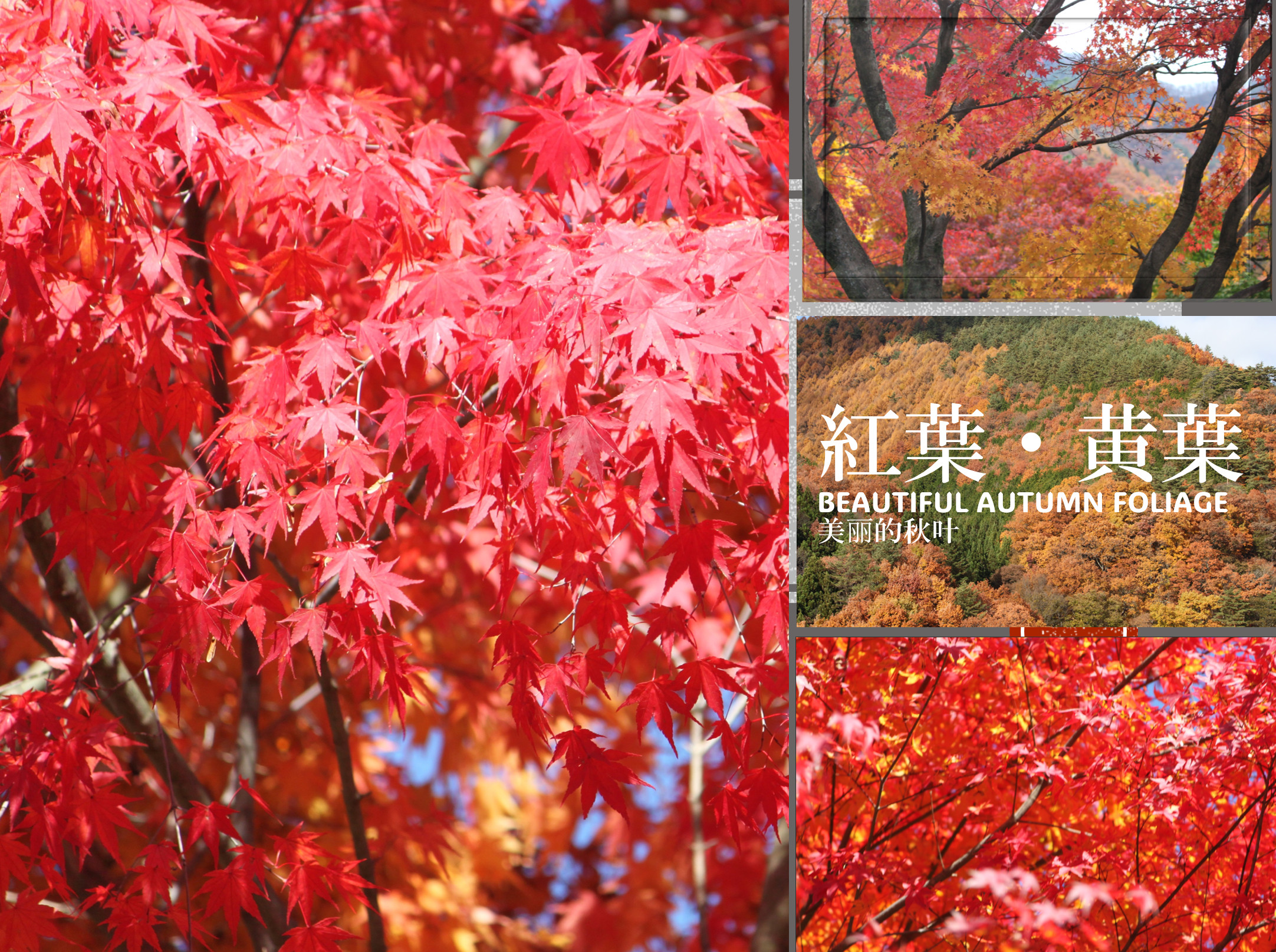
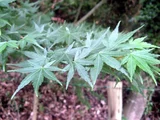
The tree typically reaches a height of 10 to 15 meters. Its palm-shaped leaves are deeply divided into 5–9 lobes. In spring, the leaves are green, but during the autumn foliage season, they change color from yellow to red.
This transformation is admired by people, who travel to view the leaves—a custom called "Momijigari" (autumn leaf viewing).
Due to global warming, the timing for Momijigari has been delayed, and nowadays, mid-November is considered the peak season in most locations.
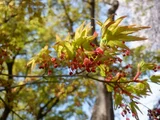
The tree unfolds its leaves in spring, simultaneously blooming with small red flowers. After flowering, it produces winged seeds, which are dispersed by the wind, making it a wind-pollinated plant.
It is widely planted as a park tree, garden tree, or for bonsai purposes.
Flowering Season
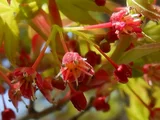
From April to May, the tree blooms with small red flowers about 0.5 cm in diameter, appearing alongside the fresh green foliage.
Why Do Leaves Change Color?
Why Do Leaves Change Color?
In the fall, the tree begins to reclaim nutrients—such as nitrogen—from its leaves, and chlorophyll is broken down.
At the same time, the tree uses sugars in the leaves to produce anthocyanins, a red pigment.
The production of anthocyanins helps process excess sugars and light energy, preventing the leaves from deteriorating too quickly and aiding the tree in continuing to reclaim nutrients before the leaves fall.
Name Origin
The genus name "Acer" derives from the Latin word meaning "sharp" or "pointed," referring to the pointed shape of the leaves.
The species name "palmatum" comes from the Latin word for "palm," describing the resemblance of its leaves to a palm (human hand).
The Japanese name "Irohamomiji" is said to originate from the leaves' many lobes, which resemble the syllables "Iroha nihoheto" of an old Japanese poem.
Flower Language
"Cherished Memories" , "Reserve"
Common Name: Irohamomiji (Acer palmatum)
Scientific Name: Acer palmatum
Other Names: Iroha Kaede, Takao Kaede, Japanese Maple, Momiji, Maple, Koyo
Classification:
Kingdom: Plantae Angiosperms, Eudicots Order: Sapindales
Family: Sapindaceae Genus: Acer Species: Acer palmatum
Origin: Japan and other parts of East Asia
Habitat: From the southern Tohoku region to Shikoku and Kyushu, in lowlands to low mountains
Tree Height: 10–15 meters
Viewing Season: April to November
Autumn Foliage Season: October to December
Leaf Characteristics: Colors: Red, reddish-purple, green Margin: Double serrate Arrangement: Opposite
Flowering:
Dioecious Flowering Period: April to May Inflorescence: Compound corymb
Flower Diameter: 0.5 cm Petals: 5 Color: Dark purple Stamens: 8
Fruit Type: Samara
Pollination: Wind-pollinated
Related Pages:
Irohamomiji (Acer palmatum) - Flower Database
Japanese Autumn Foliage
Special Feature: Autumn Foliage - Flower Database


- OrderSapindales

- FamilySapindaceae
- GenusAcer
- SpeciesA. palmatum
- Type of flowerRadial symmetrical flower
- Array of flowerCone / Compound inflorescence
- Petal shapeFive-petal
- Leaf typePalm shape
- Edge of the leafHeavy Serration
- Life typeDeciduous tree
- Flower colorsRed
- Colors of the leavesRed Green Orange Yellow
- Fruit colorGreen
- Height600.0 ~ 1500.0 cm
- Diameter of flower0.4 ~ 0.6 cm