Caltha palustris var. enkoso
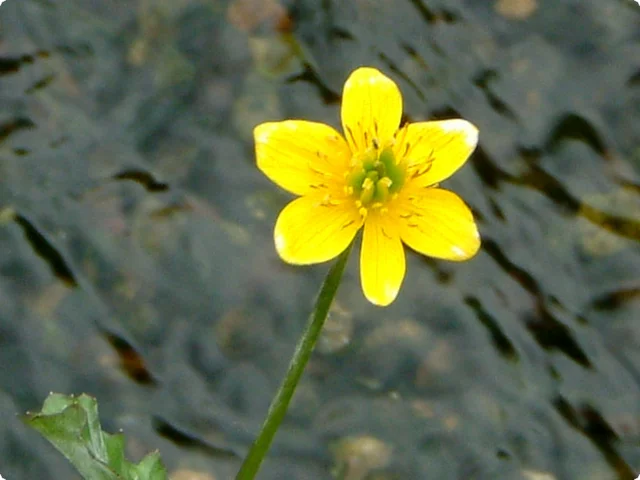 Location: East Gardens of th Imperial Palace
- Location: East Gardens of th Imperial Palace
- Location: East Gardens of th Imperial Palace
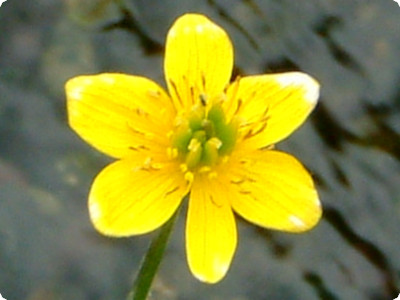
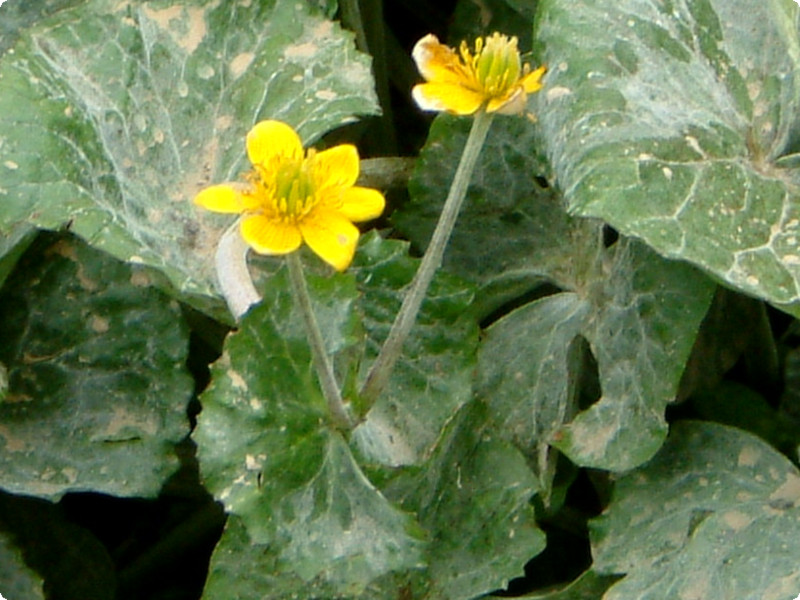
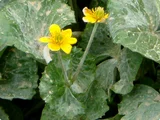
- Flower nameCaltha palustris var. enkoso
- Scientific nameCaltha palustris var. enkoso
- Alias猿猴草
- Place of originJapan
- Place of floweringWetlands, Hokkaido, Specific area, River, pond
- Flowering seasonApril, May, June
What is Caltha palustris var. enkoso
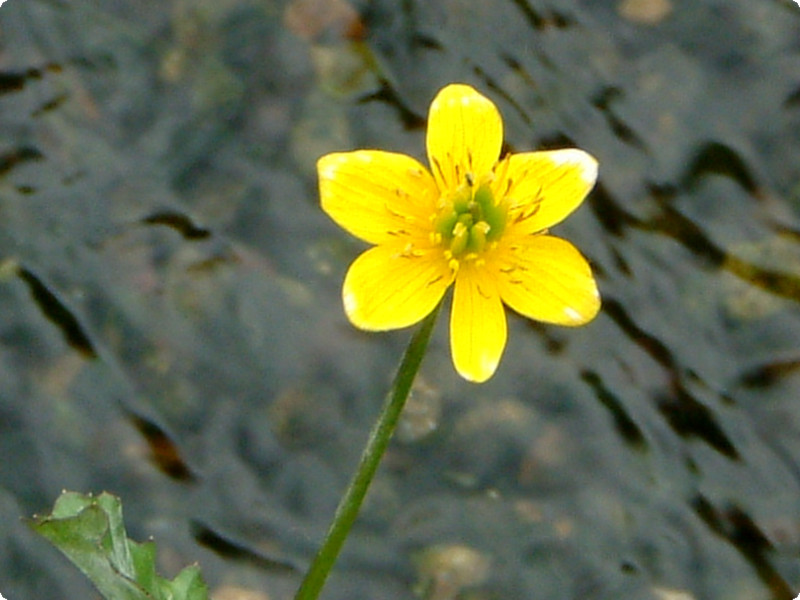
The Enkosou (scientific name: Caltha palustris var. enkoso) is a perennial plant in the family Ranunculaceae, native to Japan. It grows naturally in wetlands and near water in the lowlands and mountains of Honshu and Hokkaido. It is a variant of yellow marsh marigold (Caltha palustris var. nipponica) as well as ryukinka (Caltha palustris var. nipponica). The stems of Caltha palustris var. nipponica are upright, while those of the monkey grass are not. It produces yellow flowers (actually sepals) with roots coming out from the stem nodes and flower stalks. The name of the flower comes from the long above-ground stems that crawl on the ground and spread like the limbs of a monkey.
Common name: Enkosou, scientific name: Caltha palustris var. enkoso, plant height: 30-50 cm, leaf length: 5-10 cm, leaf width: 5-10 cm, leaf shape: kidney-shaped, leaf margin: serrated, flower color (actually calyx color): yellow actual calyx color): yellow; number of petals: 5-7; flower diameter: 2-3 cm; flowering season: April-June; fruit type: bag fruit.


- OrderRanunculales

- FamilyRanunculaceae
- GenusCaltha
- SpeciesC. palustris var. enkoso
- Type of flowerRadial symmetrical flower
- Array of flowerMonopetal inflorescence
- Petal shape6-petaled flower
- Leaf typekidney-shaped
- Edge of the leafSerrated
- Life typeperennial plant
- Flower colorsYellow
- Colors of the leavesGreen
- Fruit colorGreen
- Height30.0 ~ 50.0 cm
- Diameter of flower2.5 ~ 3.0 cm