Pecan
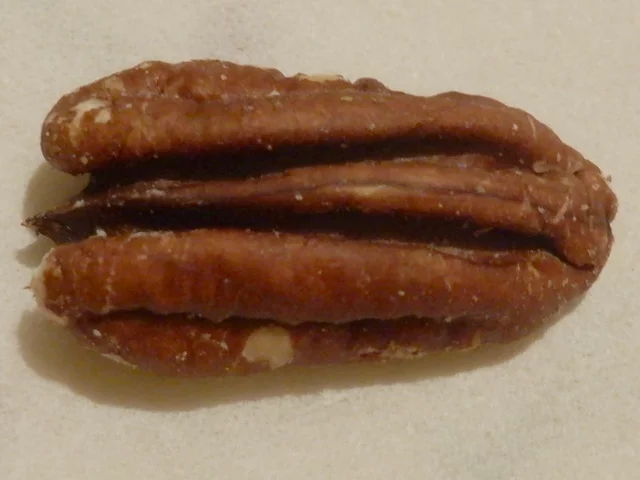 Location: My home
- Location: Tsukuba Botanical Garden
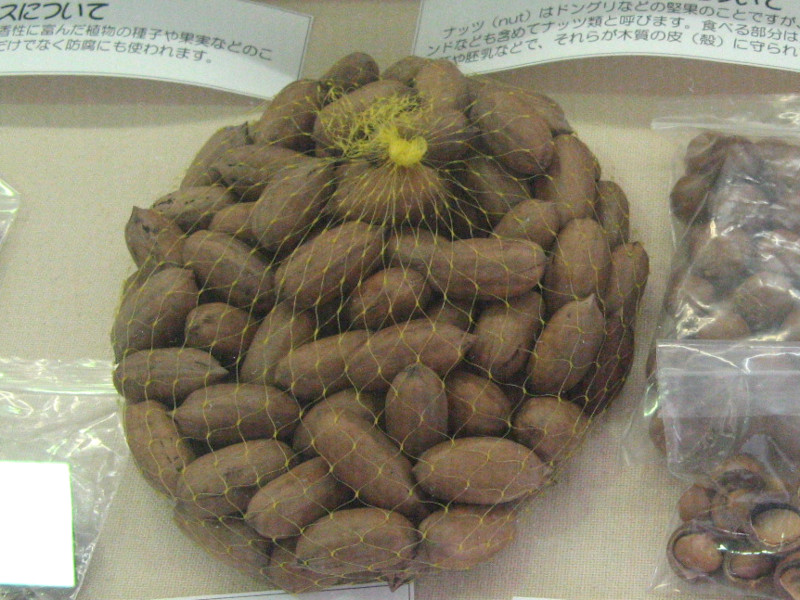
- Location: Tokyo Metropolitan Jindai Botanical Park
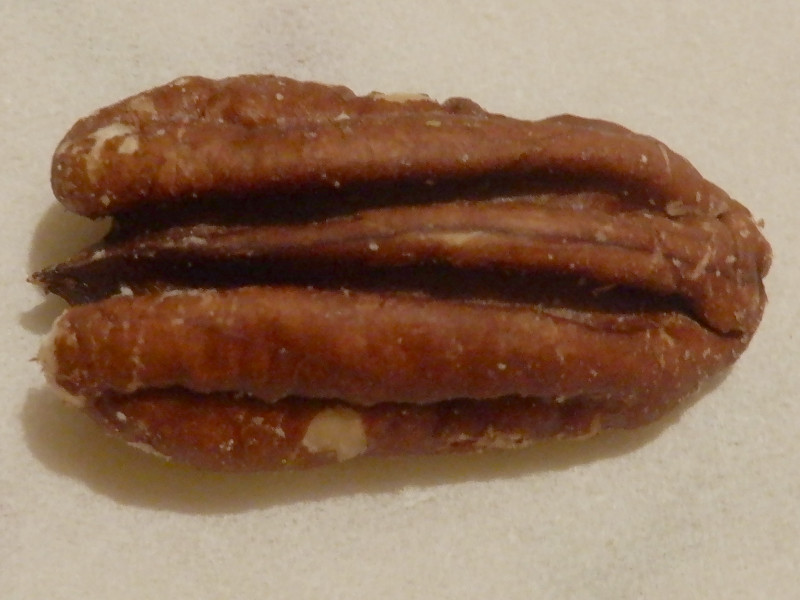

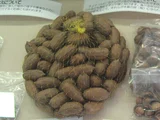

- Flower namePecan
- Scientific nameCarya illinoinensis
- AliasPecan, ピ-カンナッツ, ピーカンナッツ, ペカンナッツ, Pecan nuts, バターの木, ペカンヒッコリー
- Place of originsouth-central North America
- Place of floweringOrchard, Low mountains, Specific area
- Flowering seasonMay, June
What is Pecan
Pecan (scientific name: Carya illinoinensis) is a deciduous broadleaf tree and its fruit, native to south-central North America and belonging to the family Juglandaceae. It is native to the Mississippi River basin. The tree is 20-25 m tall (maximum: 55 m) with a trunk up to 2 m in diameter. The young leaves are often painted. It is dioecious but hardly self-pollinated. The fruit is not strictly a nut, but a kernel. Only one kernel is present, surrounded by a shell. Its composition is oil, protein, amino acids, and vitamins.
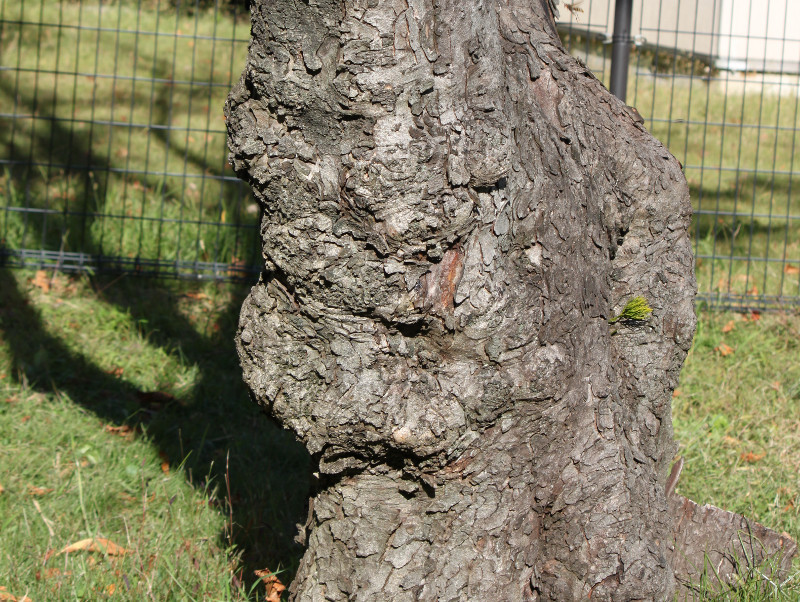
Common name: Pecan, scientific name: Carya illinoinensis, also known as Carya illinoinensis, pecan hickory, butter tree, origin: Southcentral North America, environment: Mississippi River Basin. Production area: Oklahoma (USA), Life form: deciduous broad-leaved tree and its fruits, Tree height: 20-25 m (max. 55 m), trunk diameter: max. 2 m, bark: gray and lobed, leaf shape: odd pinnate compound leaf, lobes: 11-17, elliptic with pointed tips, leaf length: 30-45 cm, lobes: 5-12 c, lobe width: 2-6 cm, leaf margin leaf margin: finely serrate; petiole: short; inflorescence: alternate; florets: absent/unknown; male inflorescence: yellow-green, caudate; female flowers: several yellow-green ovals; inflorescence type: infinite inflorescence (flowers bloom from bottom to top); dioecious; flowering season: April to May; fruiting season: July to November; fruit type: firm; shell fruit: oblong; fruit diameter: 4 cm; uses: seeds are Popular nuts and vegetable oil.


- OrderFagales

- FamilyJuglandaceae
- GenusCarya
- SpeciesC. illinoinensis
- Type of flowerRadial symmetrical flower
- Array of flowerCaudal inflorescence
- Petal shapewithout
- Leaf typeOdd pinnate compound leaf
- Edge of the leafSerrated
- Life typedeciduous broadleaf tree and its fruit
- Flower colorsGreen Yellow
- Colors of the leavesGreen
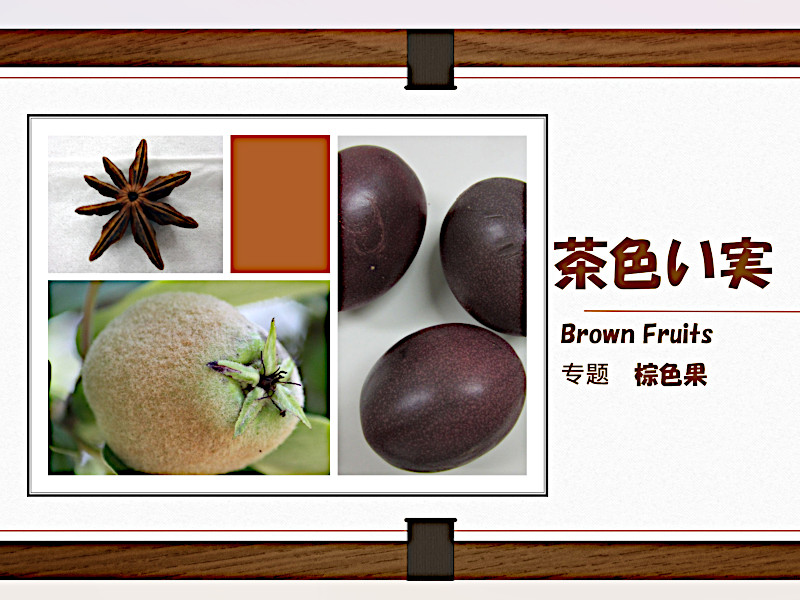
- Fruit colorBrown
- Height2000.0 ~ 2500.0 cm
- Diameter of flower ~ cm