The marubanoki
 Location: Hakobe Botanical Garden
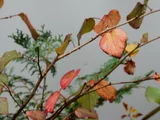
- Flower nameThe marubanoki
- Scientific nameDisanthus cercidifolius
- Alias丸葉の木, 紅満作
- Place of originendemic to Japan
- Place of floweringLow mountains
- Flowering seasonOctober, November
What is The marubanoki
The marubanoki or Disanthus cercidifolius, scientific name: Disanthus cercidifolius, is a deciduous shrub endemic to Japan and classified in the genus Disanthus of the Family Hamamelidaceae. It is also known as "benimansaku" (meaning "red witch hazel") because of the red color of its flowers, which resemble witch hazel flowers. In Japan, it grows in clusters in valleys in the mountains of Honshu and Shikoku west of the Chubu region. The height is 2 to 4 m, and the bark is grayish-white. The Ena nishik is a variety with grouped leaves.
Characteristics
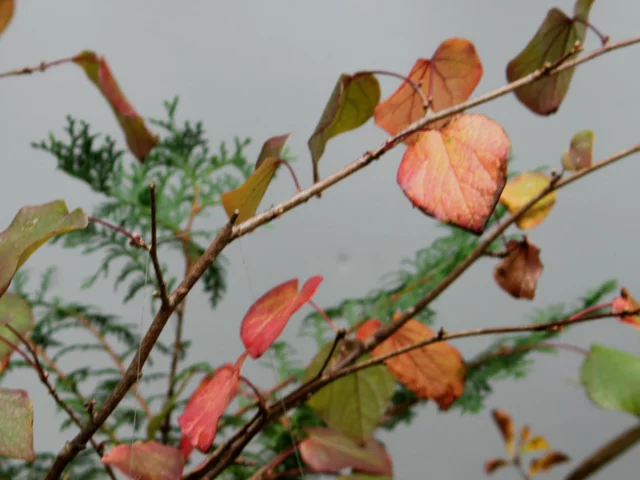
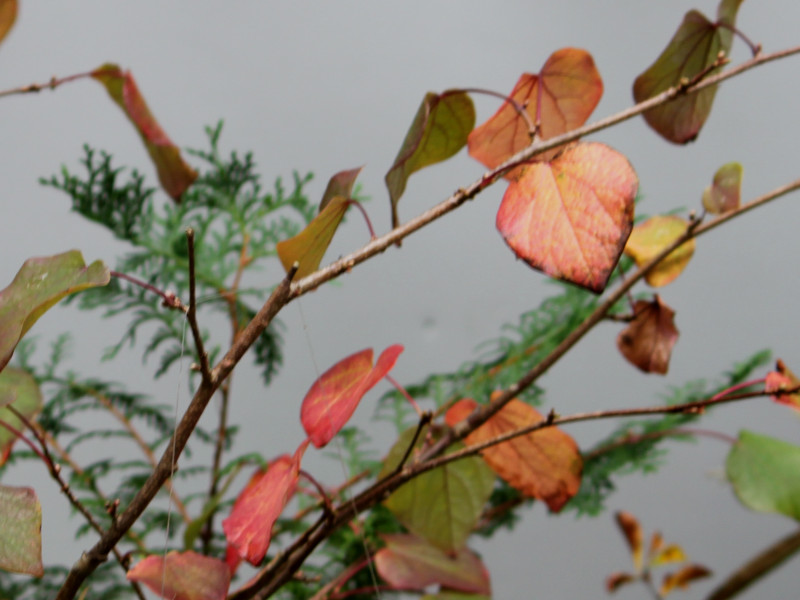
The leaves are rounded and turn beautiful red in autumn. The flowers, which bloom during the deciduous season, are shaped like starfish and bloom back-to-back.
Origin of flower name
The genus name "Disanthus" is a compound of "Dis" (two) and "anthus" (flower), meaning "two flowers. The species name "(cercidifolius)" is a compound of "cercis" + "folius" (leaf). The Japanese name "marubanoki" (round-leaved tree) is derived from its round leaves.
Common name: Marubanoki, scientific name: Disanthus cercidifolius, Aka: Benimansaku, origin: Japan, habitat distribution: Honshu and Shikoku in Japan west of the central region, Life form: mountain valleys; life form: deciduous shrub; height: 2-4 m; bark color: grayish white; leaf color: green with reddish leaves in autumn; leaf shape: ovate; leaf length: 5-11 cm; inflorescence: alternate; leaf margin: entire; flowering season: October to November; inflorescence shape: petals: dark reddish purple; flower diameter: 1.5 cm; fruit type: capsule; seed color: black; uses: symbol Tree, garden tree, park tree, flower arrangement.


- OrderSaxifragales

- FamilyHamamelidaceae
- GenusDisanthus
- SpeciesD. cercidifolius
- Type of flowerRadial symmetrical flower
- Array of flowerCone / Compound inflorescence
- Petal shapeFive-petal
- Leaf typeRound
- Edge of the leafEntire
- Life typeevergreen tall tree
- Flower colorsRed
- Colors of the leavesRed Green
- Fruit colorOrange
- Height200.0 ~ 400.0 cm
- Diameter of flower1.5 ~ 1.5 cm