Chinese star anise
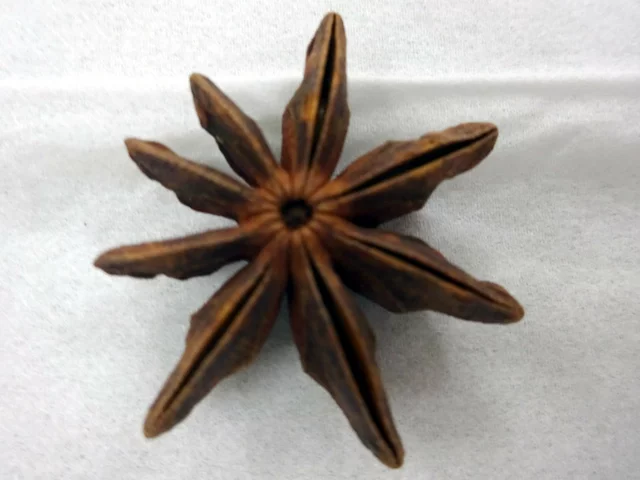 Location: Kagiken
- Location: Kyoto Botanical Garden
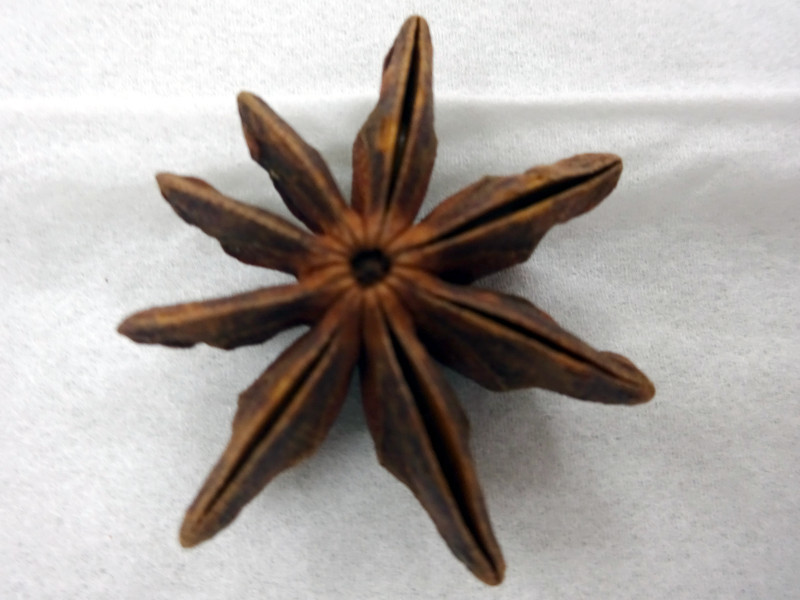

- Flower nameChinese star anise
- Scientific nameIllicium verum
- Alias八角, ハッカク, スターアニス, Star anise, Chinese star anise, ダイウイキョウ, 大茴香
- Place of originChina-Vietnam
- Place of floweringOverseas
- Flowering seasonFebruary, March, October, November
What is Chinese star anise
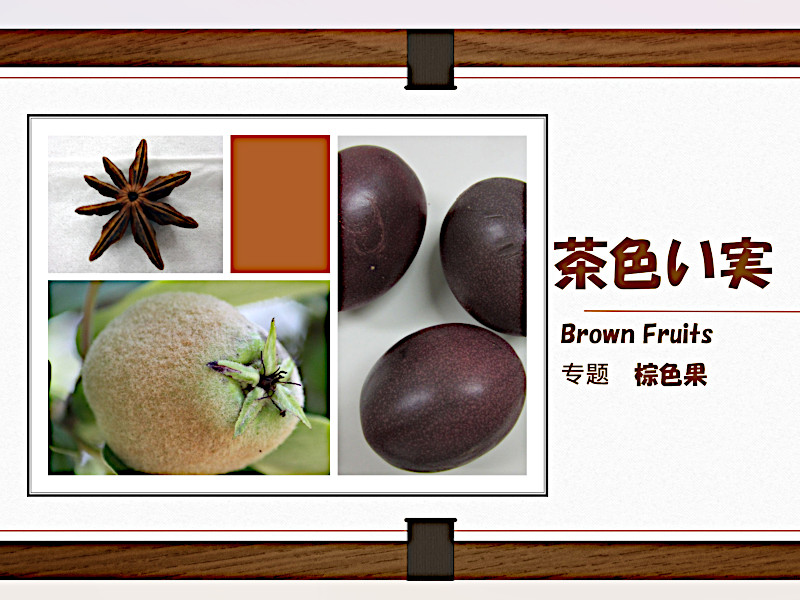
Chinese star anise (Scientific name: Illicium verum) is an evergreen tree native to China-Vietnam and belonging to the genus Shiki-mi. In medicinal and spice names, it is called Daii Kiyo (Osu incense), Hackak (Hatsukaku), Hakaku Wikyou (Hachikoku Moka), Star anise (Star anise), Chinese Star anise (Chinese star anise). In spring and autumn twice, the flower pattern comes out from the axiles, and the crimson flowers bloom downward. The flowers are fragrant. The fruits are initially green, but when ripe they become reddish brown. The fruit is an aggregate of boat shape with six to eight custards radially attached, and has a star-like shape with projections. When the fruit is ripe and broken, brown seeds are produced from inside. The dried fruits are sweet and have a strong aroma, and are considered to be spice of Chinese cuisine, and they are also used as ingredients for the influenza specific medicine "Tamiflu" and the herbal medicine "Daiyiko". The genus name "Illicium" is Latin, meaning "illicio", which is fragrant. The kind name "verum" means "pure".
In the same genus Japanese star anise ((Scientific name: Illicium anisatum) And bloom pale yellow flowers and are planted in the yard of the temple and used for Buddha. The fruit has a lingering smell of tung. The whole plant is toxic, especially the fruit contains the poisonous anisatin.


- OrderAustrobaileyales

- FamilySchisandraceae
- GenusIllicium
- SpeciesI. verum
- Type of flowerRadial symmetrical flower
- Array of flowerMonopetal inflorescence
- Petal shapeMulti-petaled
- Leaf typelanceolate
- Edge of the leafEntire
- Life typeevergreen tree
- Flower colorsRed
- Colors of the leavesGreen
- Fruit colorBrown Green
- Height1000.0 ~ 2000.0 cm
- Diameter of flower2.5 ~ 3.0 cm