Potamogeton distinctus
 Location: Mizuho Yanagishita Productions
- Location: Illust:Yuki @Kagiken (Science&Technology Inst.co.,Tokyo )

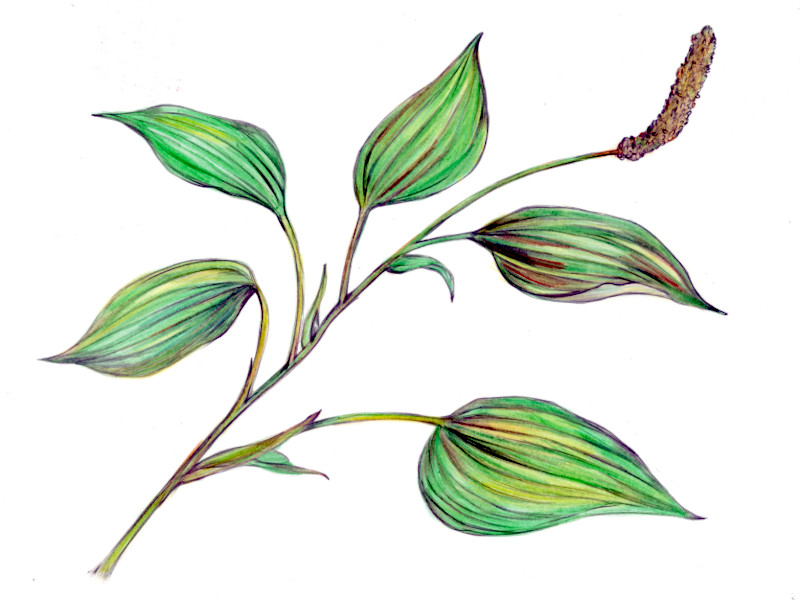

- Flower namePotamogeton distinctus
- Scientific namePotamogeton distinctus
- Alias蛭蓆
- Place of originJapan, the Korean Peninsula, and China
- Place of floweringRiver, pond, Rice paddies
- Flowering seasonMay, June, July, August, September, October
What is Potamogeton distinctus
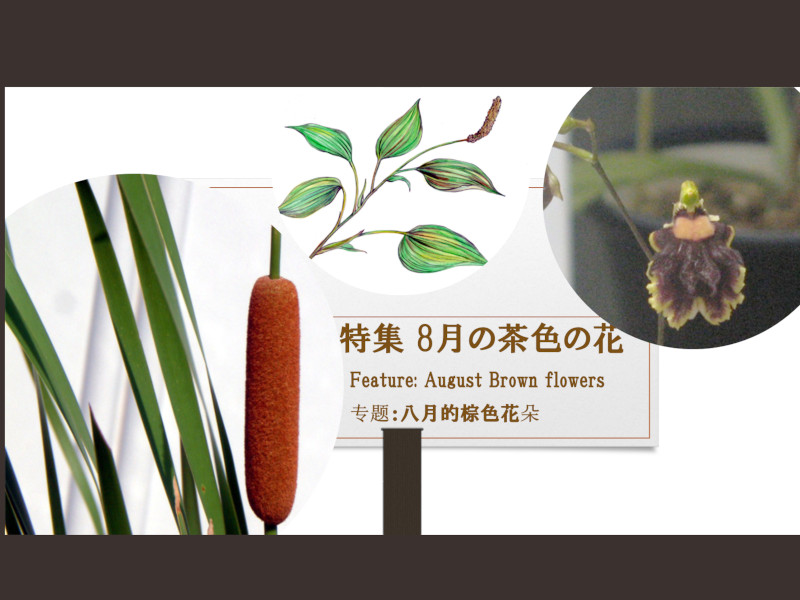
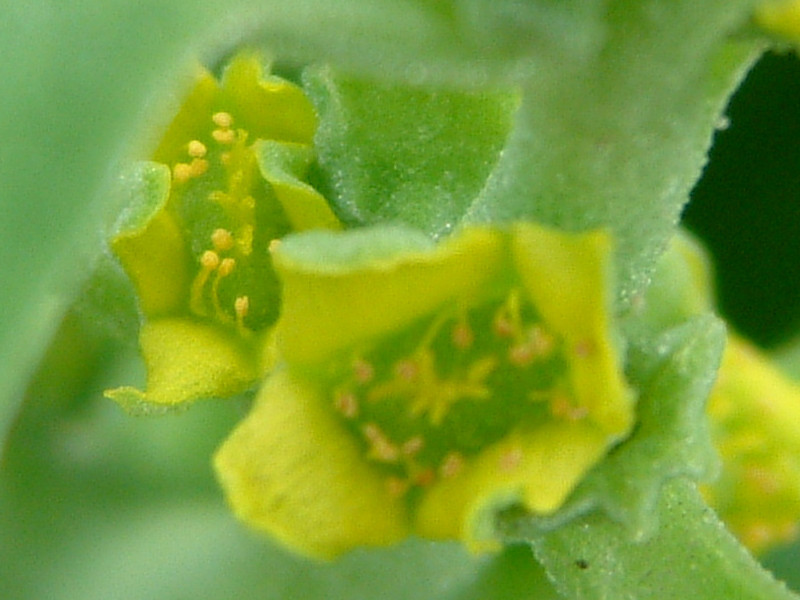
Potamogeton distinctus or Hirumishiro (scientific name: Potamogeton distinctus) is a perennial floating-leaved water plant native to Japan, the Korean Peninsula, and China, belonging to the family Potamogetonaceae. It grows in shallow water in lakes, rivers, and irrigation channels in Hokkaido, Honshu, Shikoku, and Kyushu. It produces white thread-like roots, submerged stems, and leaves from nodes on underground stems, and reproduces by crawling horizontally in the mud on sandy bottoms. The oval leaves float on the surface of the water, and the inflorescences emerge from the axils of the leaves to the surface. The name comes from the fact that it grows in clusters in areas teeming with blood-sucking leeches. It is now extinct due to the widespread use of herbicides.
Common name: Potamogeton distinctus or Hirumishiro, scientific name: Potamogeton distinctus, stem length: 10-350 cm, submerged leaf lobe: alternate, submerged leaf shape: strongly lanceolate, submerged leaf margin: entire, floating leaf length: 1.5-3 cm, floating leaf color: yellowish green; flower cover: absent; inflorescence shape: acicular; flowering season: May-October; inflorescence length: 2-6 cm; fruit type: firm; fruit shape: broadly ovate; fruit length: 0.3-0.4 cm; uses: weed in paddy fields.


- OrderAlismatales

- FamilyPotamogetonaceae
- GenusPotamogeton
- SpeciesP. distinctus
- Type of flowerRadial symmetrical flower
- Array of flowerSpikelet inflorescence
- Petal shapewithout
- Leaf typeoblong
- Edge of the leafEntire
- Life typeperennial floating-leaved water plant
- Flower colorsOrange
- Colors of the leavesGreen
- Fruit color
- Height10.0 ~ 350.0 cm
- Diameter of flower ~ cm