Sorghum bicolor
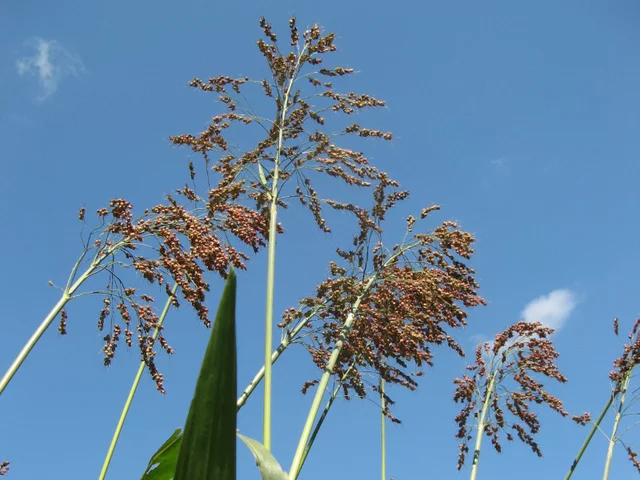 Location: Shirakawa volost
- Location: Shirakawa volost
- Location: Shirakawa volost
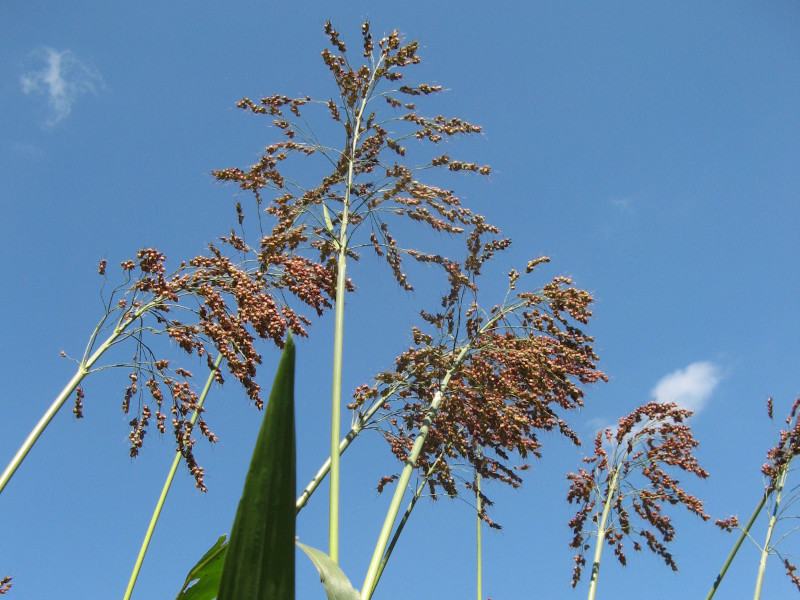


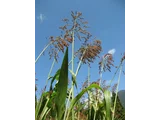
- Flower nameSorghum bicolor
- Scientific nameSorghum bicolor
- Aliasタカキビ, 高黍, 高粱, ソルガム, Sorghum bicolor, 蜀黍
- Place of origintropical Africa
- Place of floweringField
- Flowering seasonSeptember
What is Sorghum bicolor
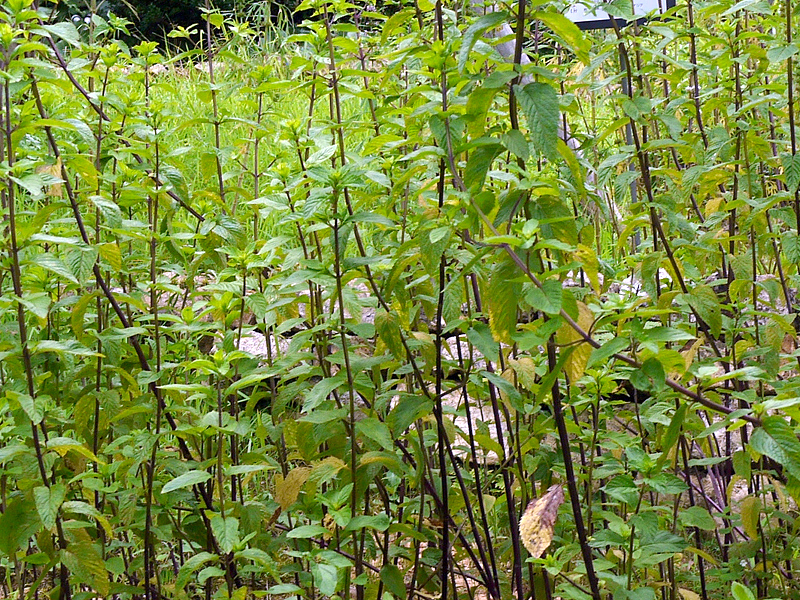
Sorghum bicolor, great millet, sorghum (scientific name: : Sorghum bicolor) is a drought-tolerant annual herb and grain of the genus Sorghum in the family Poaceae, native to tropical Africa. It has a similar name, but it is a different genus from corn. The stalk is erect and the tallest stalk can grow up to 3 meters. Of all the cereals, 1) corn, 2) wheat, 3) rice, 4) barley, and 5) sorghum are the most productive in that order.
Common name: Sorghum bicolor, scientific name: Sorghum bicolor, also known as sorghum, Kaoliang, Origin: Tropical Africa, Grass height: 1 to 3 m, Stem diameter: 3 cm, Leaf length: 1 m Stem Diameter: 3 cm; Leaf Length: 1 m; Leaf Width: 10 cm; Leaf Shape: broadly linear; Leaf Margin: hairy; Leaf Inflorescence: alternate; Flower Inflorescence Form: racemose to conical; Inflorescence Length: 30 cm; Flowering Season: September; Flower Color (Stamens): yellow; Petals: absent; Bisexual; Fruit Length: 0.2-0.4 cm; Fruit Color: red, white, yellow, brown; Uses: cattle feed, rice cakes, liquor, dried flowers. Uses: cattle feed, rice cakes, liquor, dried flowers.


- OrderPoales

- FamilyPoaceae
- GenusSorghum
- SpeciesS. bicolor
- Type of flowerOther
- Array of flowerCone / Compound inflorescence
- Petal shapeSmall ears
- Leaf typeLinear
- Edge of the leafHairs
- Life typedrought-tolerant annual herb and grain
- Flower colorsYellow
- Colors of the leavesGreen
- Fruit colorRed Brown Yellow White
- Height100.0 ~ 300.0 cm
- Diameter of flower ~ cm