Yamatogusa
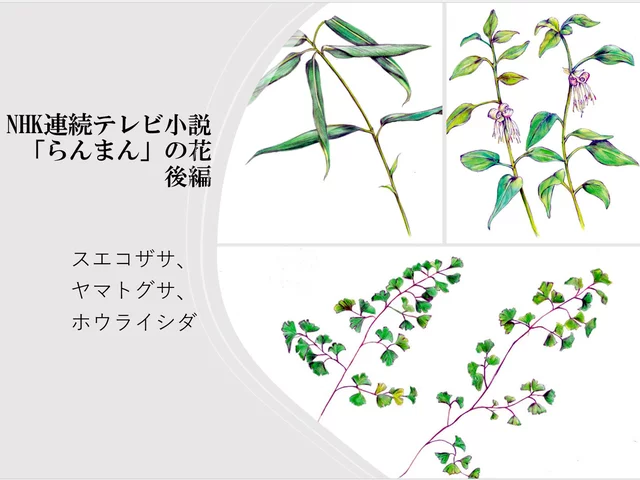 Location: Mizuho Yanagishita Productions
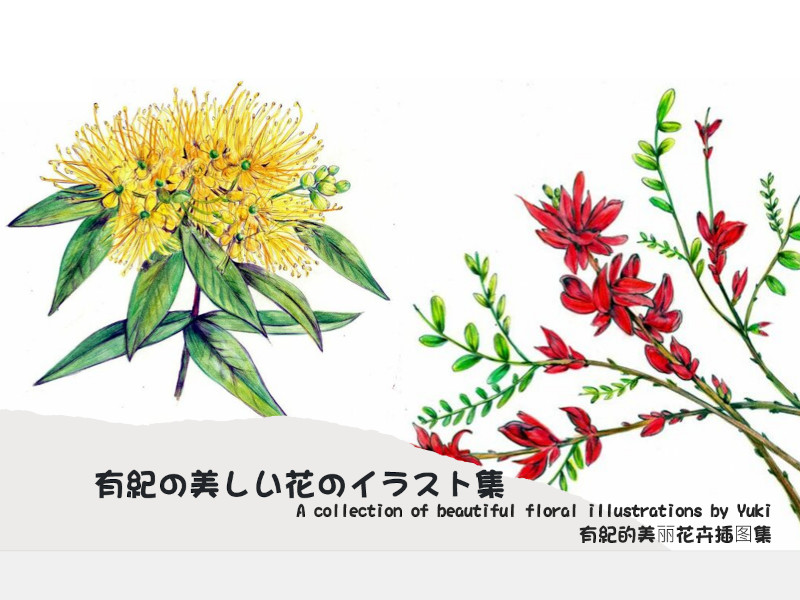
- Location: Illust:Yuki @Kagiken (Science&Technology Inst.co.,Tokyo )

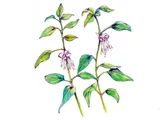
- Flower nameYamatogusa
- Scientific nameTheligonum japonica
- Alias茜葎
- Place of originendemic to Japan
- Place of floweringLow mountains
- Flowering seasonApril, May
What is Yamatogusa
Yamatogusa or Theligonum japonica (scientific name: Theligonum japonica) is a perennial wildflower of the genus Theligonum in the family Rubiaceae, endemic to Japan. It was discovered by Dr. Tomitaro Makino in Kochi Prefecture in 1886. The grass is 15-30 cm tall with a rounded stem cross-section. The petiolate leaves are 1-3 cm long and 1-2 cm wide, ovate, with entire margins, and are attached in opposite pairs. The flowers bloom from April to May and are dioecious, with both male and female flowers having no petals. Male flowers have 20-25 thin stamens (0.5 cm long) hanging from the three green, curled outer petals. Female flowers are very small and inconspicuous with small green bracts.
Common name: Yamatogusa, scientific name: Theligonum japonica, native Japanese species, habitat: Honshu, Kanto and west to Shikoku, Kyushu, living environment: under forests in mountainous areas, height: 15 to 30 cm, stem Cross-section: round; Petiole: present; Leaf: single leaf; Leaf shape: ovate; Leaf length: 1-3 cm; Leaf width: 1-2 cm; Inflorescence: opposite; Leaf margin: entire; Inflorescence form: inflorescence; Petals: male or female, petalless; Flowering season: April to May; Dioecious; Male flowers: 20-25 stamens hanging from 3 green, curled outer petioles Female flowers: small green bracts; flower (outer petals) diameter: 1 cm; fruit type: scrawny; note: wind-pollinated.


- OrderGentianales

- FamilyRubiaceae
- GenusTheligonum
- SpeciesT. japonica
- Type of flowerOther
- Array of flowerOther
- Petal shapewithout
- Leaf typeovoid
- Edge of the leafEntire
- Life typeperennial wildflower
- Flower colorsGreen Yellow
- Colors of the leavesGreen
- Fruit color
- Height15.0 ~ 20.0 cm
- Diameter of flower ~ cm