Verbascum thapsus
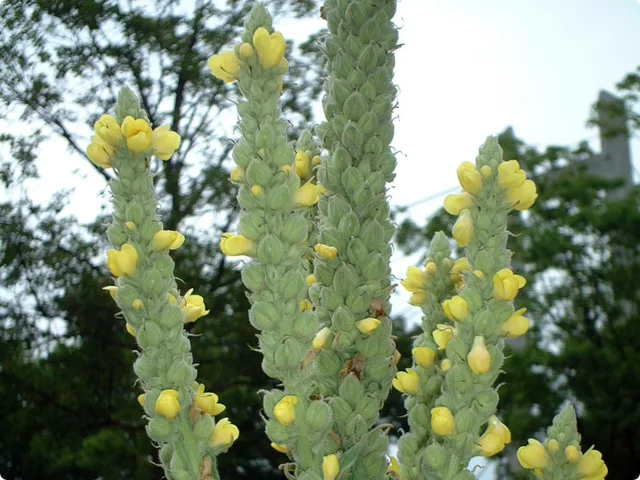 Location: Kiba Park
- Location: Tokyo Metropolitan Medical Plant Garden
- Location: Tokyo Metropolitan Medical Plant Garden
- Location: Kiba Park
- Location: Kiba Park
- Location: Tokyo Metropolitan Medical Plant Garden
- Location: Tokyo Metropolitan Medical Plant Garden
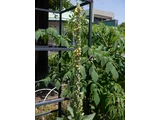
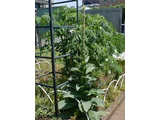
- Flower nameVerbascum thapsus
- Scientific nameVerbascum thapsus
- Alias天鵞絨毛蕊花, マレイン, mullein, ホザキモウズイカ, 穂咲毛蕊花, Verbascum thapsus
- Place of originMediterranean coast of Europe
- Place of floweringFields and footpaths, Botanical Gardens
- Flowering seasonJune, July, August
What is Verbascum thapsus
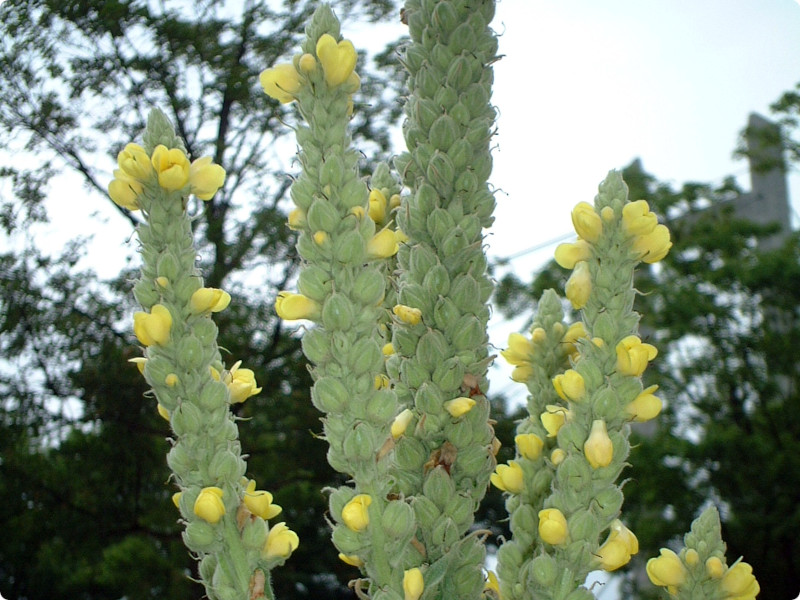
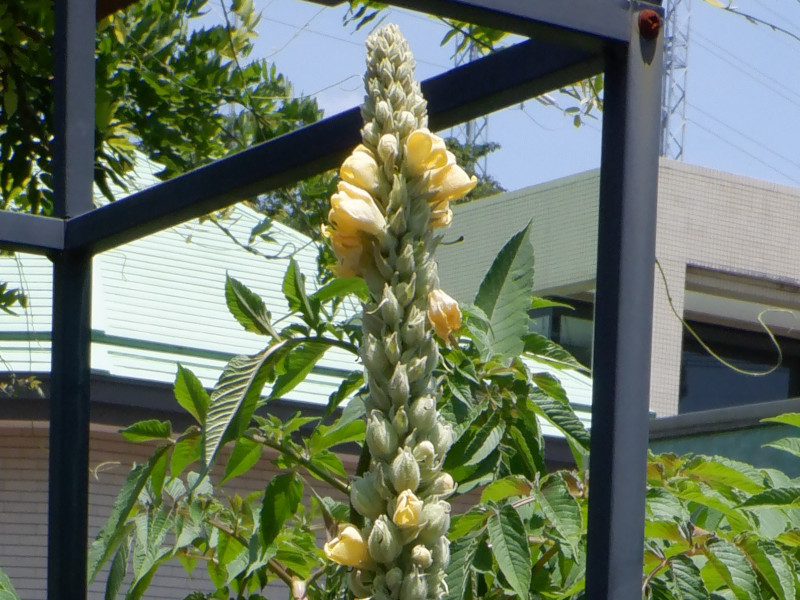
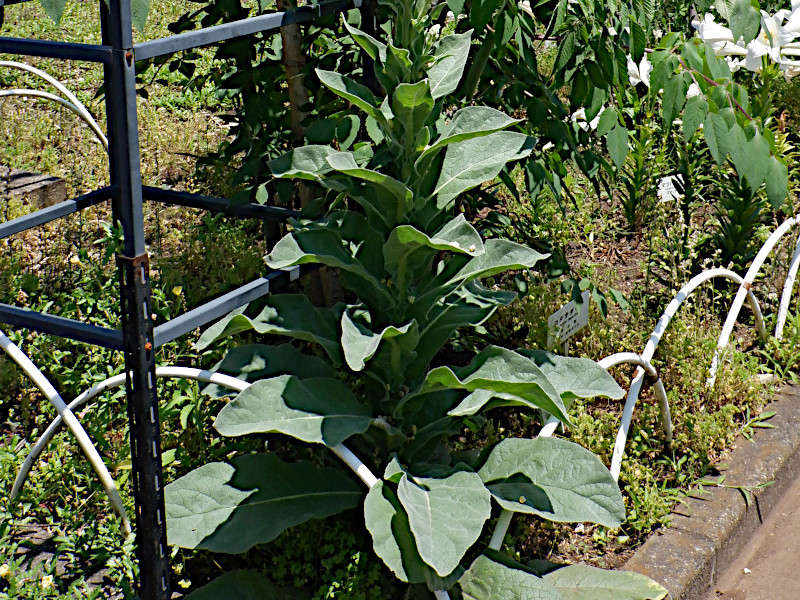
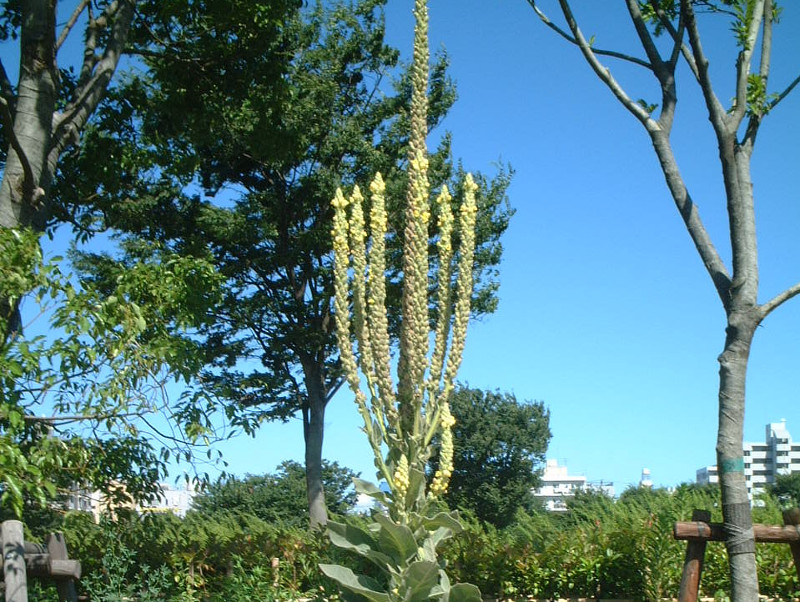
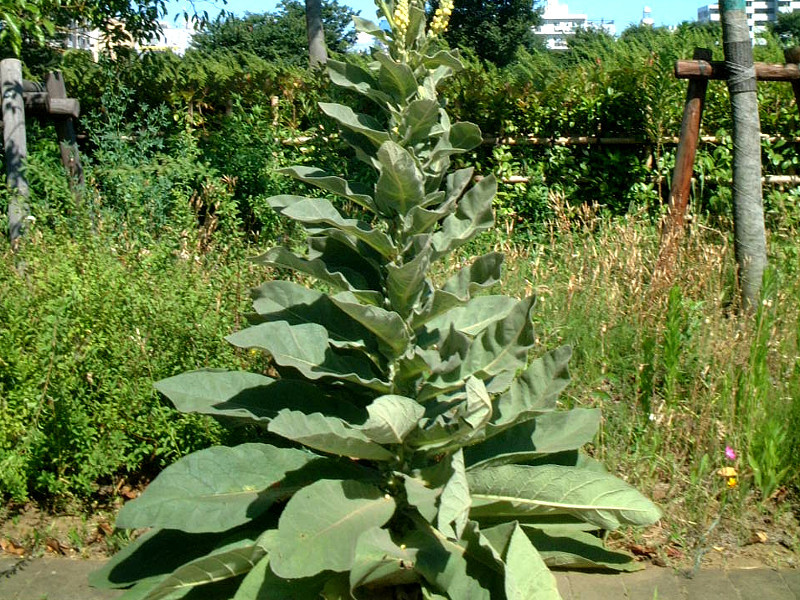
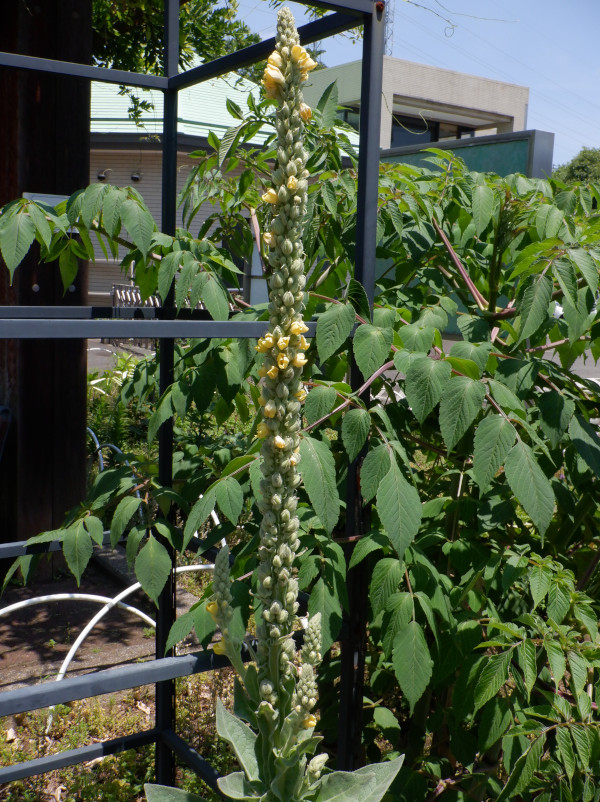
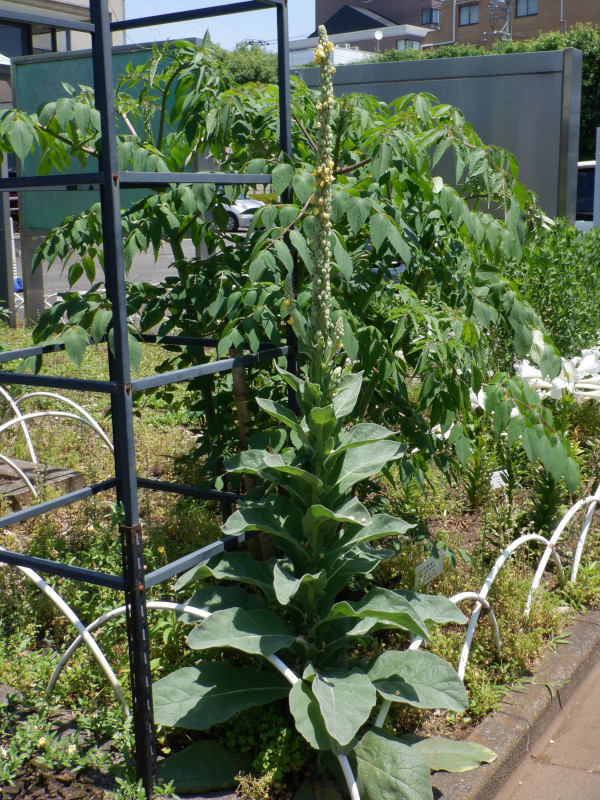
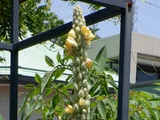
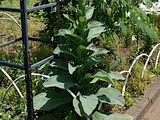
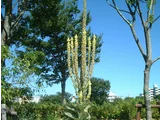
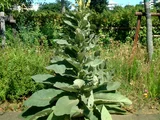
Verbascum thapsus or mullein (Verbascum thapsus) is a biennial plant in the family Scrophulariaceae native to the Mediterranean coast of Europe. The following summer, it produces a rosette base with long stems and an inflorescence that extends from the tip to an inflorescence with many small yellow flowers. The leaves are covered with velvety hairs and are soft and large with a leaf length of 30 cm. The leaves are extremely different in size from the upper leaves to the lower leaves. The leaves appear gray-green due to the presence of cotton wool on the leaves. The flowers are a gentle pale yellow and bloom with closed petals. In addition to being used for ornamental purposes, the flower stems are used as dried flowers and medicinal herbs, and in Chinese medicine they are used as a sedative, painkiller, expectorant, and remedy for kidney disease and high blood pressure. It is also known by its other name, mullein. Mine is the Latin word for soft. A similar flower is the arechimouzuka (wasteland mouzuka).
Generic name: Verbascum thapsus, Scientific name: Verbascum thapsus, Also known as: Hozakimou squid, mullein, great mullein, Adam's flannel,
Place of origin: Europe's Mediterranean coast, Japan, Environment: wild in fields and on roadsides, grass height: 100-200 cm, Total grass: dense grayish-white hairs; root length: 30 cm; leaves on the stem: winged; leaf colour: gray-green, Inflorescence height: 50 cm, petiole: short, flower color: yellow, flower diameter: 2 cm, Flowering season: June to August; fruit shape: spherical; fruit condition: covered with hairs and wrapped in a calyx.


- OrderLamiales

- FamilyScrophulariaceae
- GenusVerbascum
- SpeciesV. thapsus
- Type of flowerRadial symmetrical flower
- Array of flowerGross inflorescence
- Petal shapeFive-petal
- Leaf typeheart-shaped
- Edge of the leafSerrated
- Life typebiennial plant
- Flower colorsYellow
- Colors of the leavesGreen
- Fruit color
- Height100.0 ~ 200.0 cm
- Diameter of flower2.0 ~ 2.0 cm