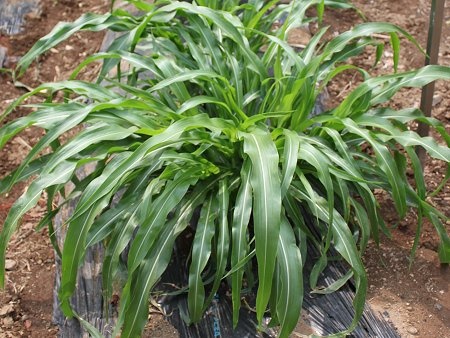
Aconite
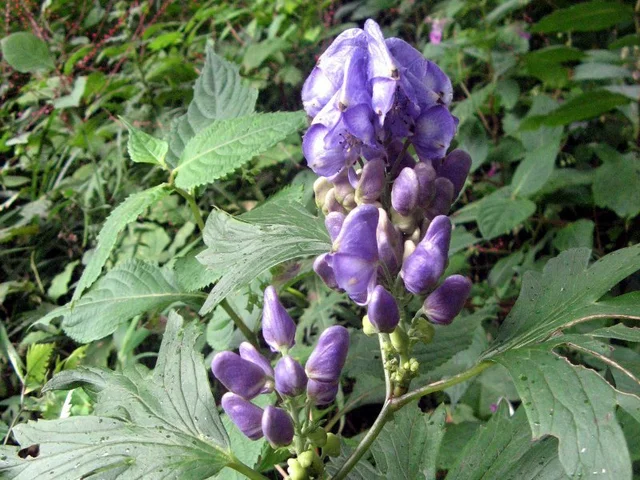 Location: NONOHANA NO SATO
- Location: NONOHANA NO SATO
- Location: NONOHANA NO SATO
- Location: NONOHANA NO SATO
- Location: NONOHANA NO SATO
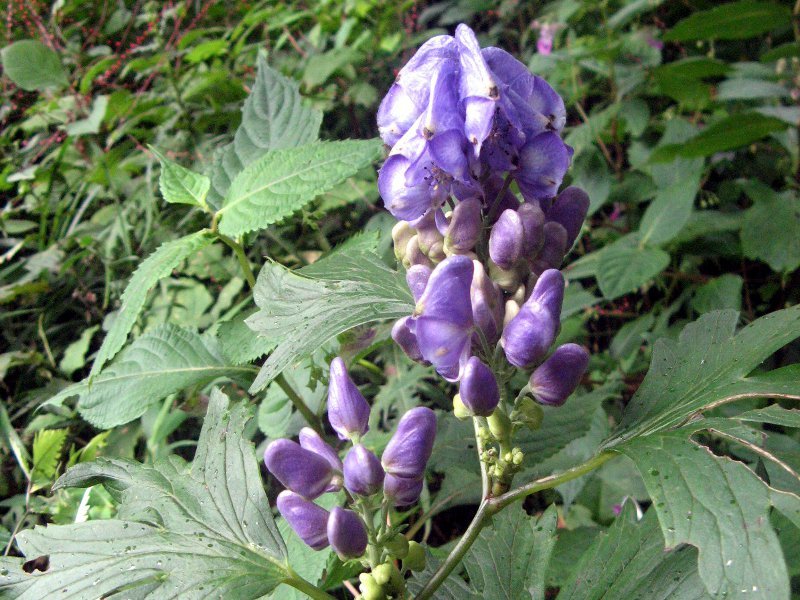

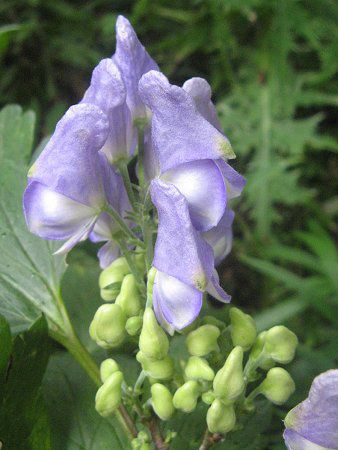
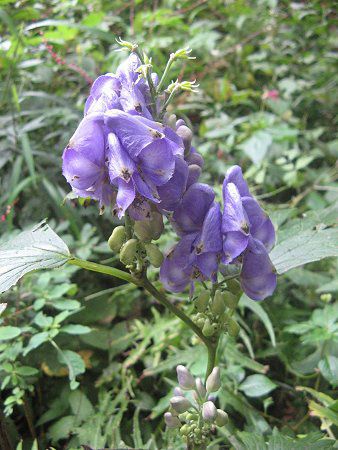

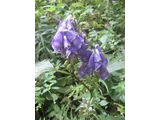
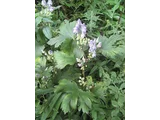
- Flower nameAconite
- Scientific nameAconitum japonicum subsp. japonicum
- Aliasmonkshood, 鳥兜
- Place of originTemperate regions of the northern hemisphere, such as Japan ,Korea and China
- Place of floweringFields and footpaths, Wetlands, Low mountains
- Flowering seasonAugust, September, October
- Language of flowersChivalry
What is Aconite
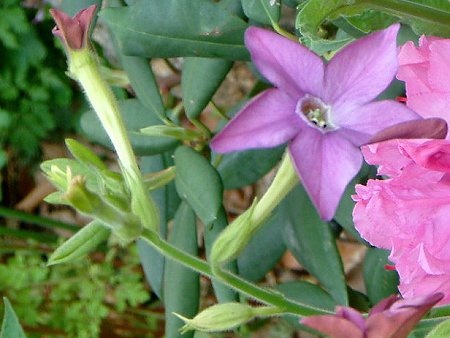
Aconite (scientific name:Aconitum) is a generic name of the perennial plant of the family ranunculaceae growing wild in the wet fields and mountains. The leaves are split in three into a a palm form and they grow each other to a branch. It makes a flower of the violet bloom to the raceme or the corymb which lengthened from the stem point in autumn from summer. It is the origin of the name that the form of the flower resembles a crown namely an aconite, formal headwear for court nobles suffered by Noh. The plant of gilt-cup eyes has many things of the poisonousness, but this aconite is virulent among other things, and there are aconitine and saying strong poison to all grass. An aconite and a water hemlock, Coriaria are considered to be Japanese three major poisonous plants.
Common name: Aconite,Scientific name:Aconitum, Also known as : monkshood, origin: Temperate regions of the northern hemisphere, such as Japan, Korea and China, Environment: wild wet, Life type: perennials, plant: 30-120 cm, of leaves: palmate in ternate, leaves: alternate, leaf color: green and flower: typically, blue-violet, flower diameter: In addition to white, peach, yellow, flowering period: August to October.
*Related pages
Special Feature Toxic Plants


- OrderRanunculales

- FamilyRanunculaceae
- GenusAconitum
- Species
- Type of flowerRadial symmetrical flower
- Array of flowerCorymbose inflorescence
- Petal shapeMask-like corolla
- Leaf type3-fold compound leaf
- Edge of the leaf
- Life typeYears of grass
- Flower colorsPink Blue Purple Yellow White
- Colors of the leavesGreen
- Fruit color
- Height30.0 ~ 120.0 cm
- Diameter of flower3.0 ~ 5.0 cm