Flowering quince
February 16th's birth flower
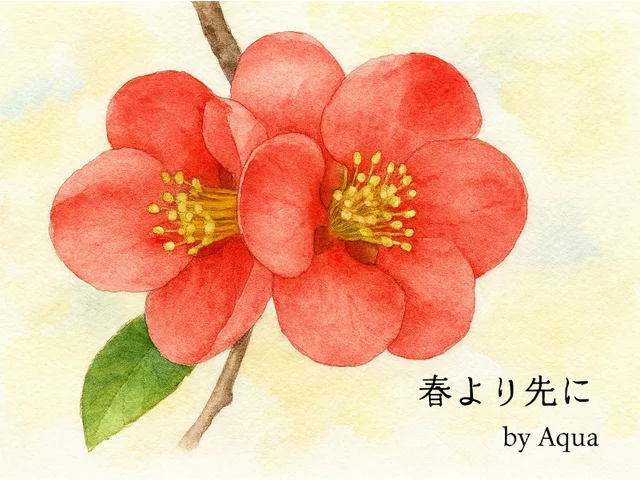 Location: Aqua
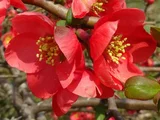
- Location: Kyoto Botanical Garden
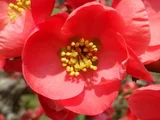
- Location: Kyoto Botanical Garden
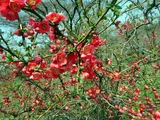
- Location: Kyoto Botanical Garden
- Location: Kyoto Botanical Garden
- Location: Akatsuka Botanical Garden
- Location: Hamarikyu
- Location: Tonogayato Gardens
- Location: East Gardens of th Imperial Palace
- Location: Koto-ku(Tokyo)
- Location: Hakobe Botanical Garden
- Location: Yatsugatake medical use botanical garden
- Location: Yatsugatake medical use botanical garden
- Location: East Gardens of th Imperial Palace
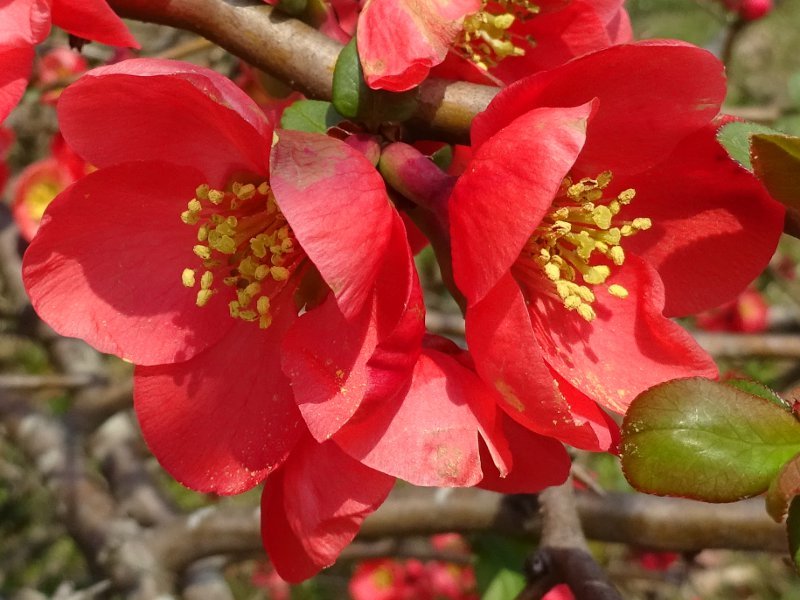
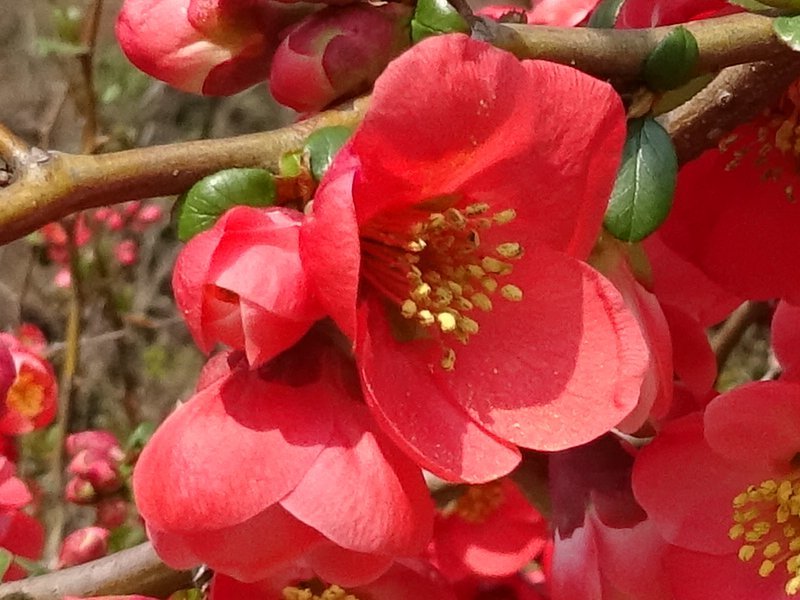
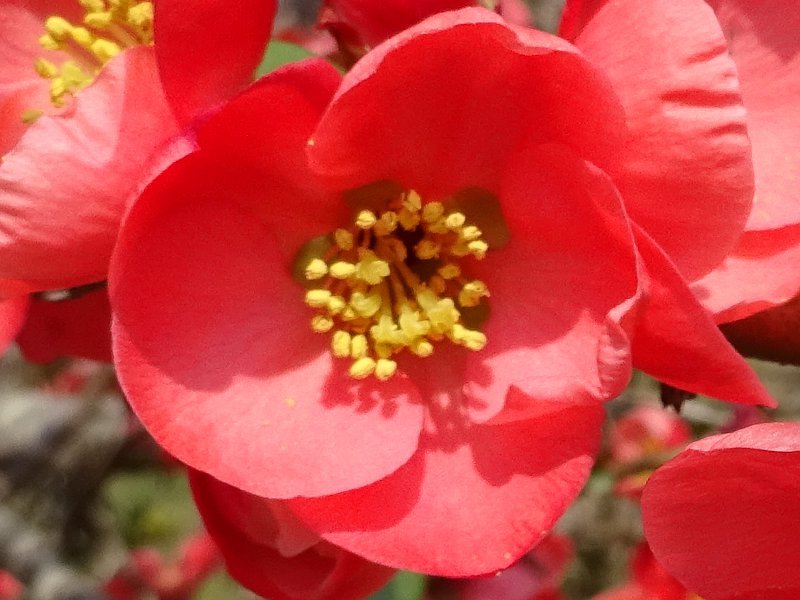
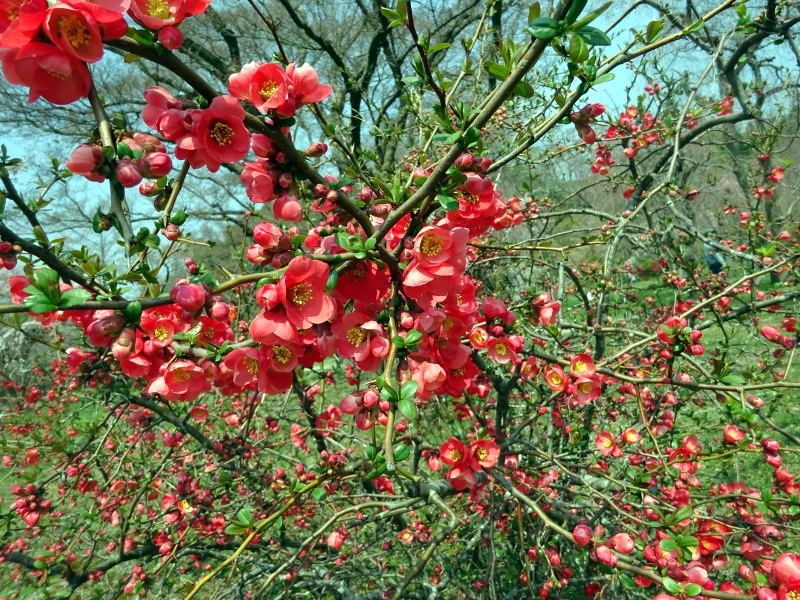
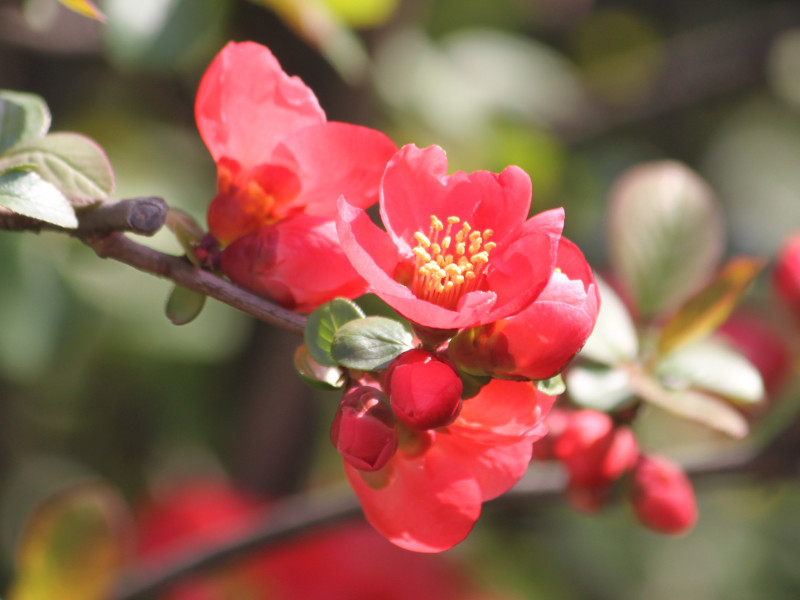
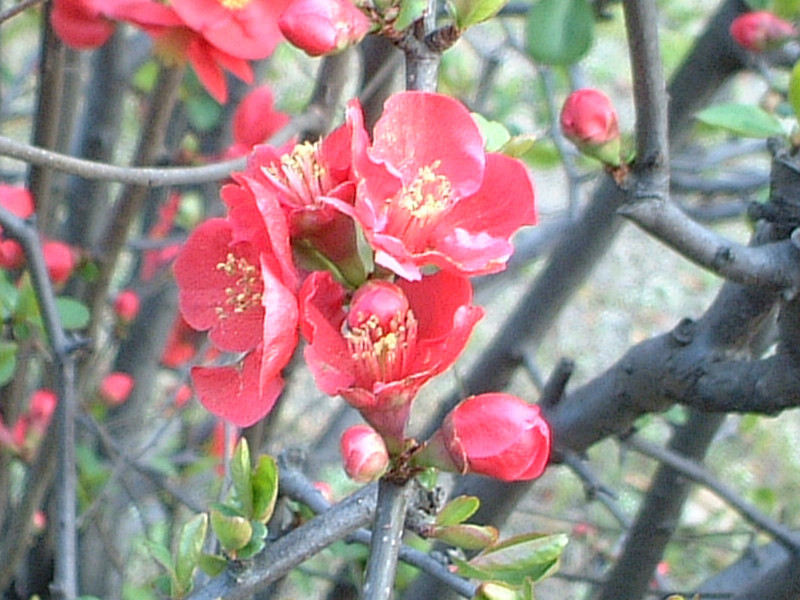
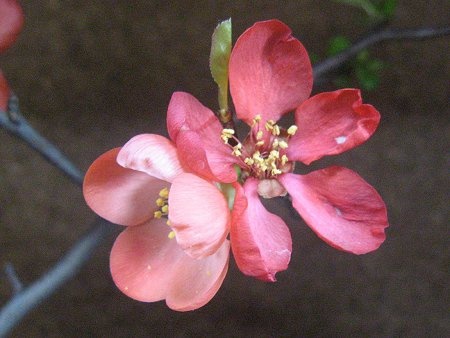
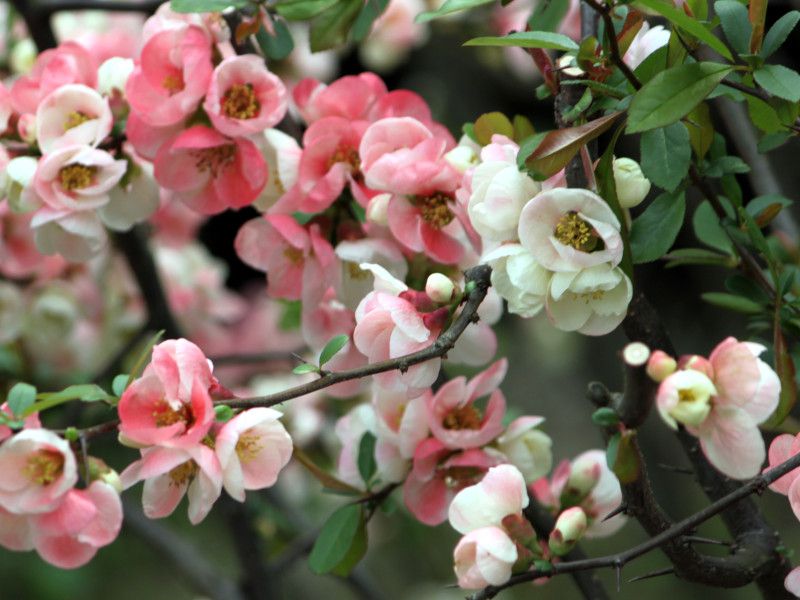
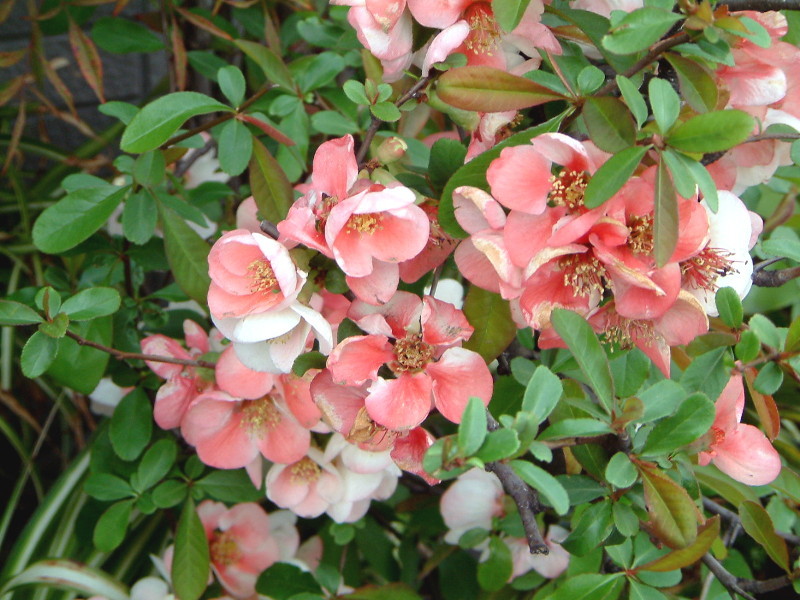


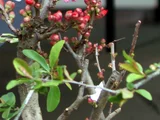
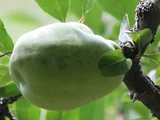
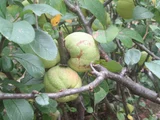
- Flower nameFlowering quince
- Scientific nameChaenomeles speciosa
- Aliasカンボケ, 木瓜, Chinese quince, flowering quince
- Place of originChina (cultivars)
- Place of floweringGarden
- Flowering seasonJanuary, February, March, April, November, December
- Purposes
- Language of flowersLove at first sight
What is Flowering quince
A drop of flowers and poetry, one each day.
From Kagiken's Flower Guide, we deliver words that bloom softly in your heart.
February 16th's birth flower: flowering quince (scientific name: Chaenomeles)
Aqua (Waterdrop Poetry, Illustration), Editing & Translation: Mizuho @Kagiken
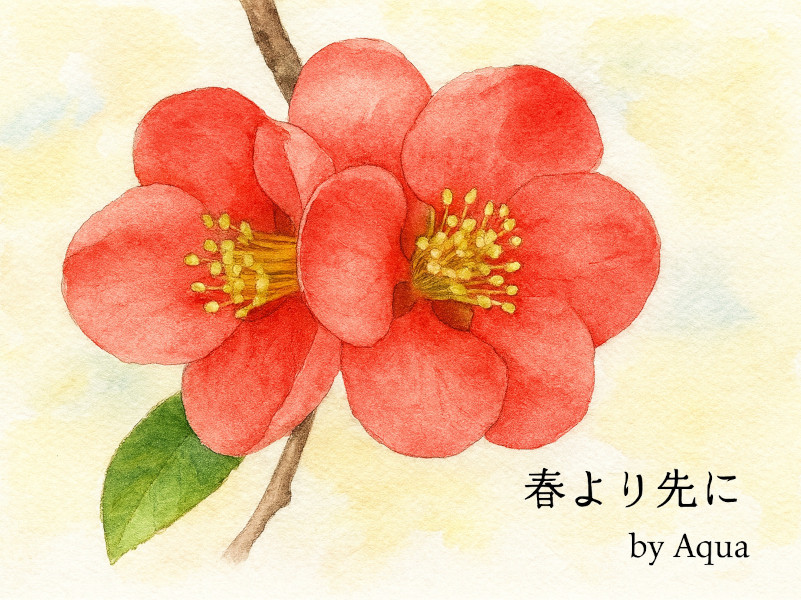
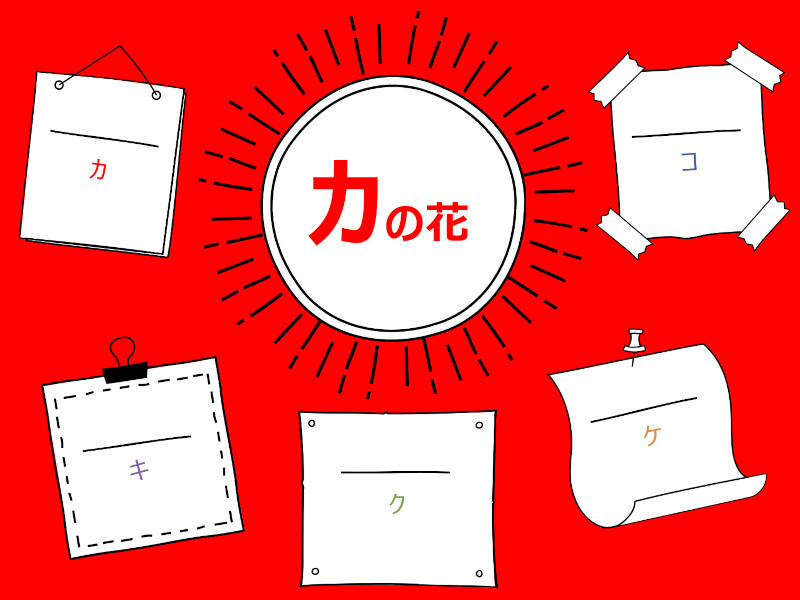
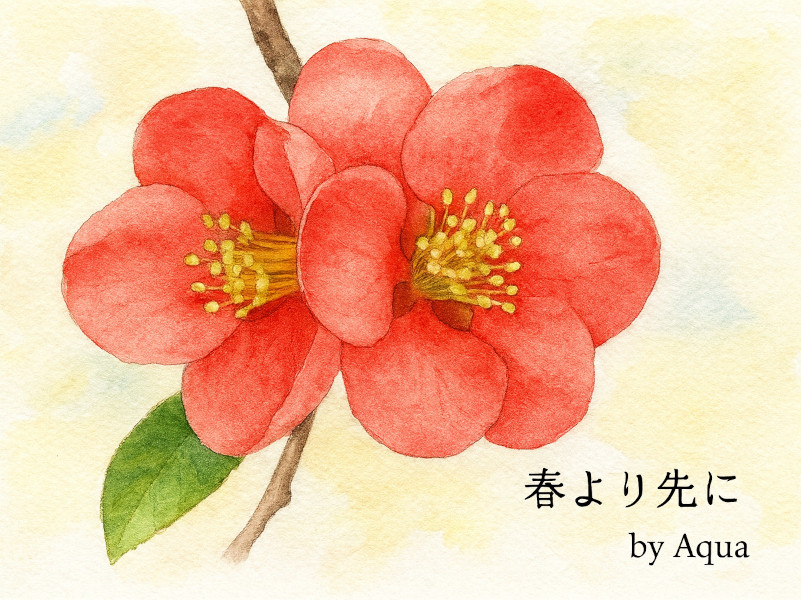
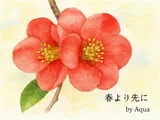
Flowering quince, Image provided by Aqua
Note: The Japanese text in the illustration has the same meaning as Aqua's water droplet poem. Aqua is a water spirit.
💧Drops of Dew on Flowering quince “Before Spring”
by Aqua
Though the wind still bites cold,
I know.
Deep within this earth,
Light is awakening.
So,
Faster than anyone,
I'll show my smile.
Before spring arrives,
I bloom like spring itself.
That is my
greeting.
Shizuku's Honeysuckle Review
In this season where chill lingers, its plump buds unfurling
is like a preview of spring...🌸✨
Flowering quince
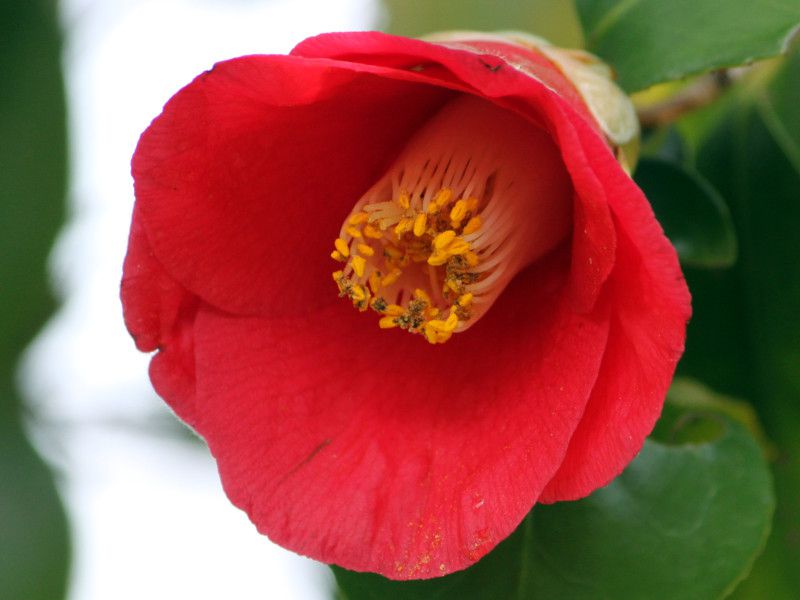
Flowering quince (scientific name: Chaenomeles) is a deciduous shrub of the rosaceae family of the chaenomeles genus. In the genus chaenomeles , there are a number of varieties. There are three kinds , improvised C. speciosa in Chinese origin, C. Cathayensis and Japanese native C. japonica.
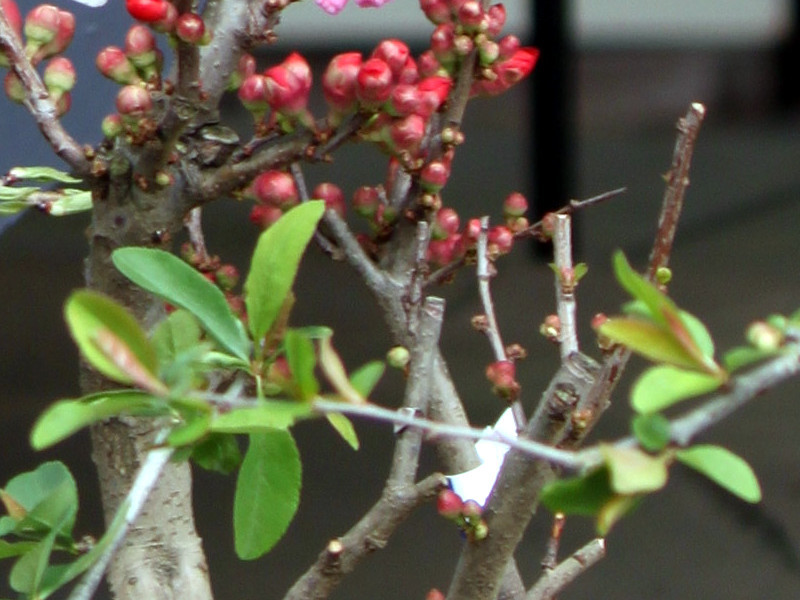
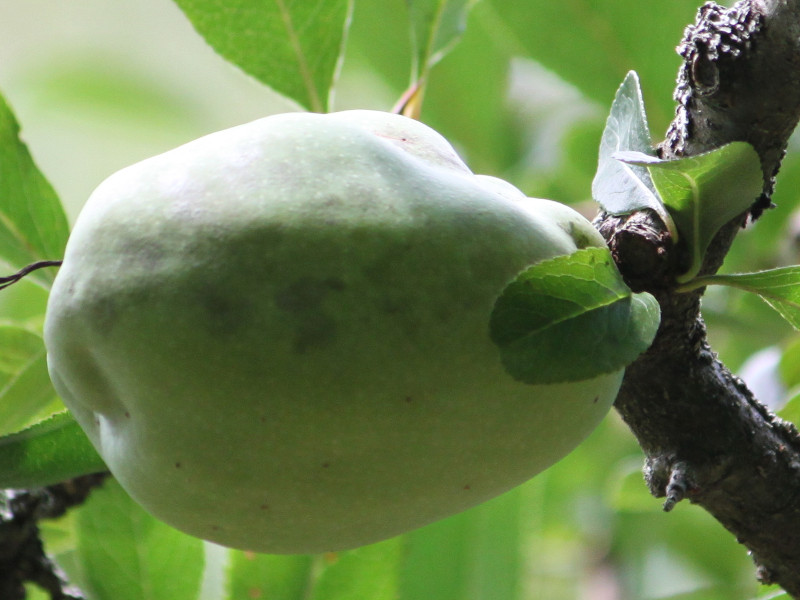
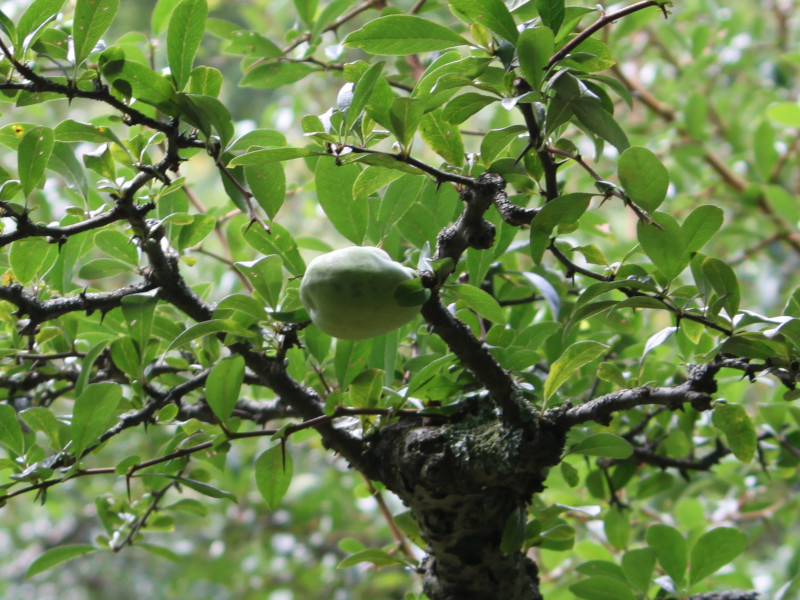
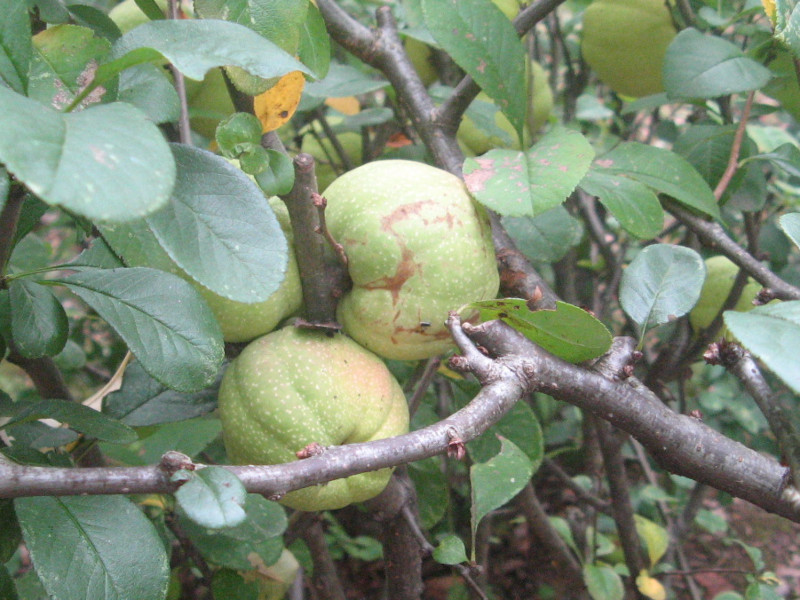
In Japan , C. speciosa is meant. Flowering quince has been cultivated during the Heian period, a variety of seasons, cold bloom, early bloom, middle bloom, late blooming cultivars have been cultivated, and depending on the variety you can enjoy flowering for a long time. Petals will soften as elegant colors as fluffy. There are cold blushing that blooms in winter, Toyo Nishiki and Takanenishiki of a branch replacement breed for early flowering varieties, and Sekaiichi for late bloom varieties. Some branches have sharp spines and others are not. Leaf shape is elliptical, with saw tooth on the leaf edge. It is used for bonsai and garden trees, and many garden cultivars are made. Fruits after flowers and those that are ripe are not eaten raw but are used as materials for fruit wine and painkillers.
Three Species in the Chaenomeles Genus
The genus Chaenomeles includes:
Japanese Quince (Chaenomeles japonica), native to Japan, often called "Kusaboke."
Chinese Quince (Chaenomeles cathayensis), native to China and known for its broad leaves.
The Common Flowering Quince (Chaenomeles speciosa), also native to China, which has been cultivated into various ornamental varieties.
In Japan, "quince" commonly refers to these cultivated Chaenomeles speciosa varieties.
Common Name: Flowering Quince
Scientific Name: Chaenomeles speciosa
Other Names: Japanese Quince, Chinese Flowering Quince
Classification: Kingdom: Plantae, Angiosperms, Eudicots, Order: Rosales, Family: Rosaceae, Genus: Chaenomeles
Origin: China
Height: 100–300 cm
Leaf Shape: Elliptic, serrated edges, 5–10 cm long
Bloom Period: November to April, Flower Size: 2–5 cm in diameter, Flower Colors: Orange, red, white, and pink
Fruit Size: 5–7 cm in diameter, 10 cm in length
Uses: Ornamental shrub, hedging, bonsai, medicinal fruit, and fruit liqueur
Related pages
Flowering quince (scientific name: Chaenomeles)
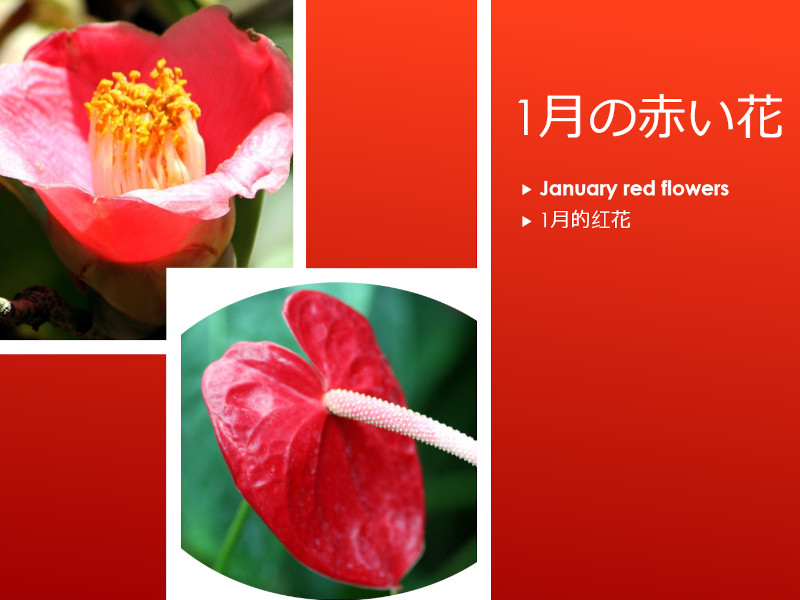
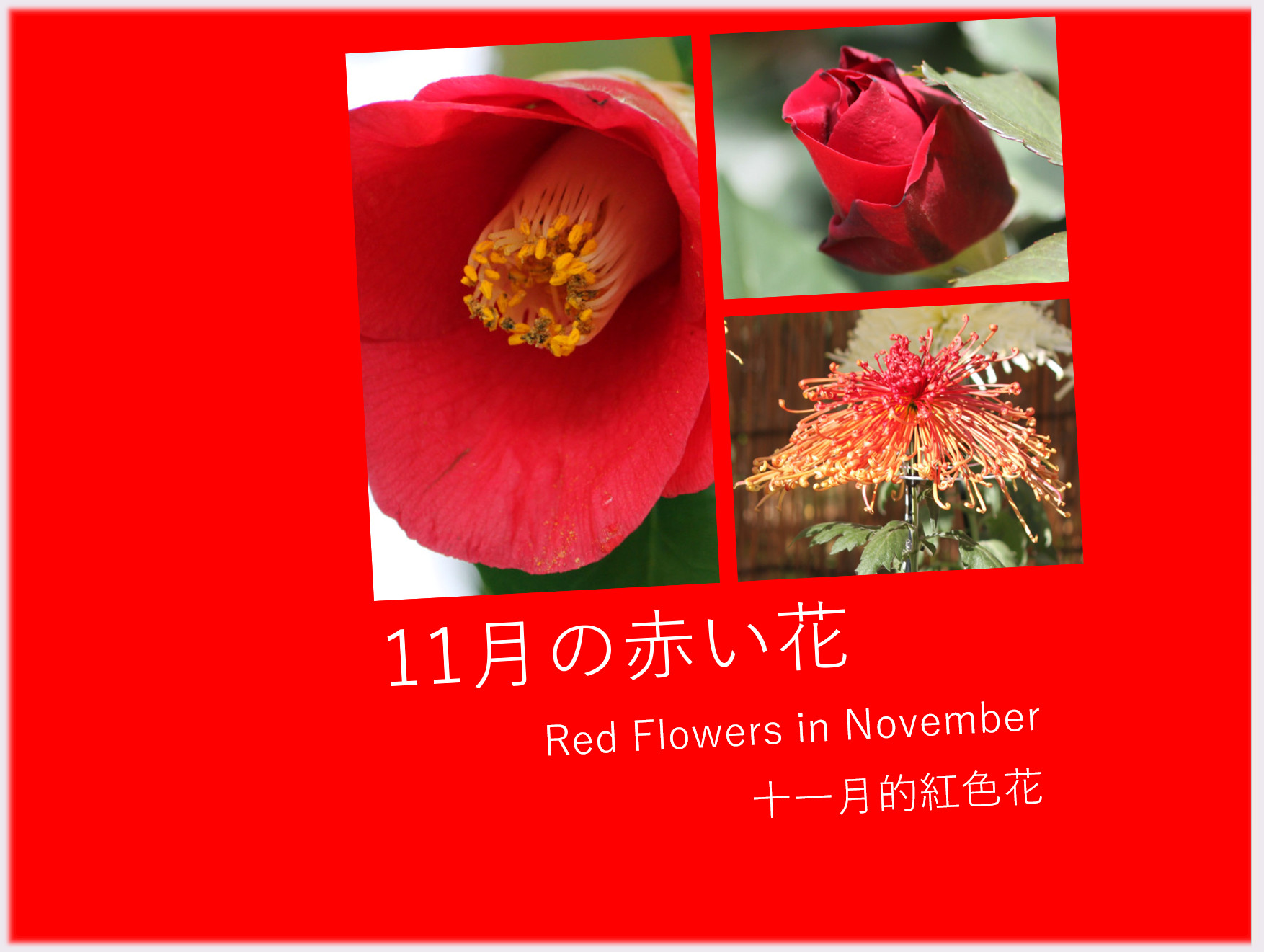
Red Flowers in November
February's Birth Flower
#floweringquince #flowerpoetry #botanicalart #naturelovers #poetrycommunity #dailyart #floralillustration #poetrylovers #naturepoetry


- OrderRosales

- FamilyRosaceae
- GenusChaenomeles
- SpeciesC. speciosa
- Type of flowerRadial symmetrical flower
- Array of flowerCorymbose inflorescence
- Petal shapeRose-shaped
- Leaf typeoblong
- Edge of the leafSerrated
- Life typeDeciduous shrub
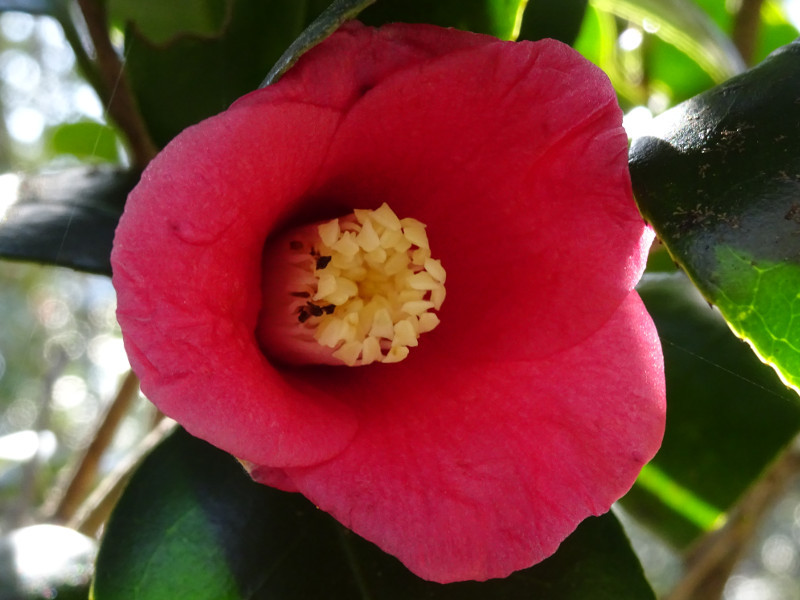
- Flower colorsRed Pink Orange White
- Colors of the leavesGreen
- Fruit colorYellow
- Height100.0 ~ 300.0 cm
- Diameter of flower2.0 ~ 5.0 cm
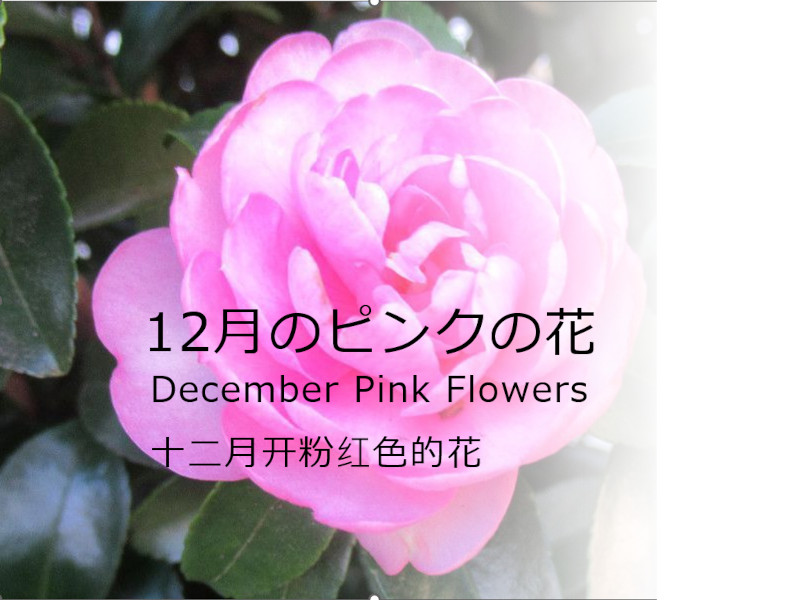
![[Feature] January Pink Flowers](https://storage.googleapis.com/flower-db-prd/44dbdd27d51a6af89684bd93b3578df3.jpg)