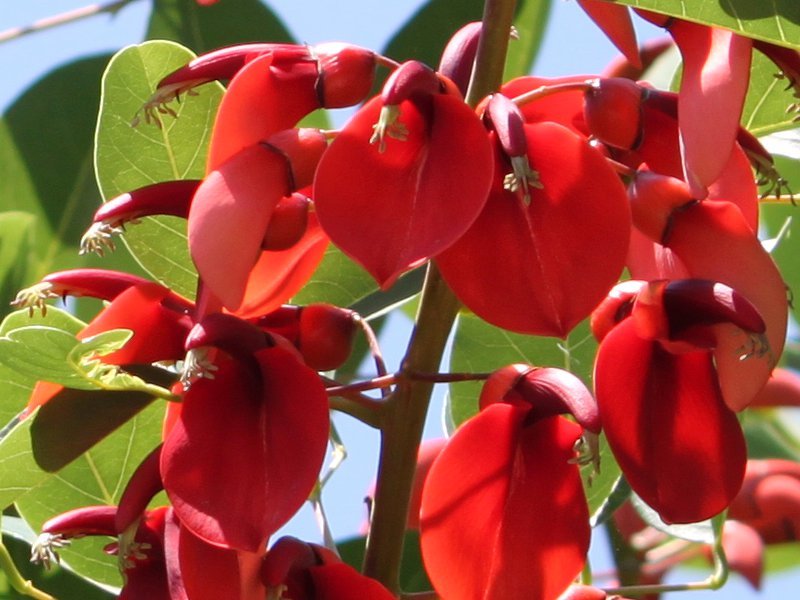
Iris ensata 'Hakuryu no tsume'
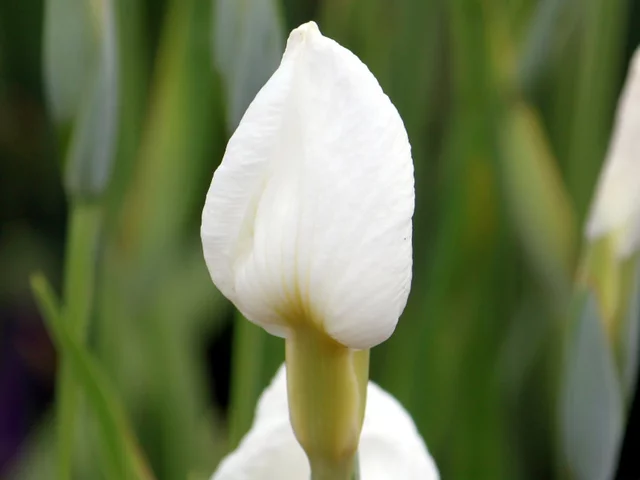 Location: Horikiri Shobuen
- Location: Horikiri Shobuen
- Location: Horikiri Shobuen
- Location: Horikiri Shobuen


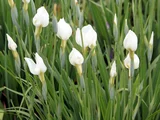
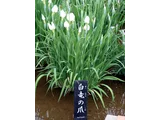
- Flower nameIris ensata 'Hakuryu no tsume'
- Scientific nameIris ensata 'Hakuryunotsume'
- Alias花菖蒲, 白竜の爪, Hakuryu no tsume, はくりゅうのつめ, ハクリュウノツメ
- Place of origincultivar (Japan)
- Place of floweringGarden, Potted flower, Rice paddies
- Flowering seasonMay, June
What is Iris ensata 'Hakuryu no tsume'
The Japanese Iris 'Hakuryu no tsume' (scientific name: Iris ensata 'Hakuryu no tsume') is a cultivar of the perennial Iris ensata from the Iridaceae family. This variety of Iris ensata var. ensata is known as Hanashobu in Japanese.
'Hakuryu no tsume' is named because it blooms with three outer perianth segments that curl inward, resembling the white "dragon's claw." It belongs to the Edo group and blooms in the mid-season (late May to early June). The flower is white and claw-shaped, with perianth segments that remain in a bud-like, upward-facing position and do not fully open. As a result, the flower diameter is small, about 5 cm. This cultivar was developed through extensive breeding during the Edo period, similar to the blue-purple "Kokuryu no tsume" which blooms in the same claw-like manner.
Flower Name: Japanese Iris 'Hakuryu no tsume'
Scientific Name: Iris ensata 'Hakuryu no tsume'
Type: Edo group
Height: 50–100 cm
Leaves: Sword-shaped and green
Flower Shape: Claw-like
Perianth (Ei): Three standards (inner perianth segments are smaller than the outer ones), but the perianth segments do not open.
Flower Color: White
Flower Diameter: Less than 14 cm (small size, about 5 cm)
Blooming Period: Mid-season (late May to early June)
Flower Language: Hanashobu symbolizes "joyful news, gentle heart."
■Related Pages:
Japanese Iris 'Hakuryu no tsume' (scientific name: Iris ensata 'Hakuryu no tsume')
FFeature: Japanese Iris (Hanashobu)
Flower Diary Index


- OrderAsparagales

- FamilyIridaceae
- GenusIris
- SpeciesI. ensata 'Hakuryu no tsume'
- Type of flowerRadial symmetrical flower
- Array of flowerMonopetal inflorescence
- Petal shapeIris-shaped
- Leaf typesword-shaped
- Edge of the leafEntire
- Life typeperennial plant
- Flower colorsWhite
- Colors of the leavesGreen
- Fruit color
- Height50.0 ~ 80.0 cm
- Diameter of flower5.0 ~ 5.0 cm