Juniperus communis
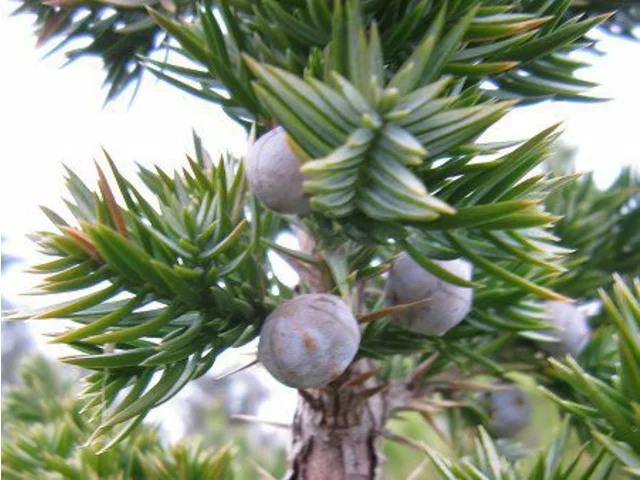 Location: Jogasaki coast
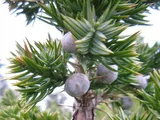
- Flower nameJuniperus communis
- Scientific nameJuniperus communis
- Alias西洋杜松
- Place of originnorthern hemisphere
- Place of floweringOrchard
- Flowering seasonApril, May
What is Juniperus communis
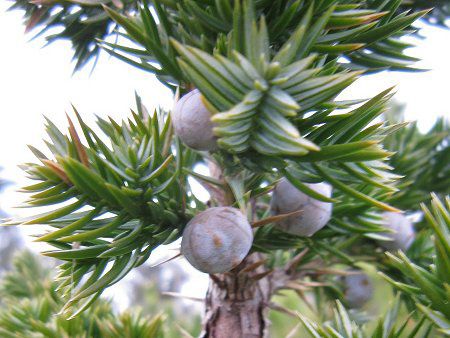
Juniperus communis is a shrubby evergreen coniferous tree native to Europe and the Americas in the Northern Hemisphere. Its English name is Common Juniper. It is dioecious. Small yellow male flowers bloom in spring and are pollinated by the wind from the male plant to the female plant. The flowers are followed by small spherical fruits that turn from green to purple to black. The fruit is the juniper berry juniper berry, the main ingredient in gin. The fruits are eaten by birds, which disperse and reproduce. It is used for horticultural purposes such as bonsai, as it is too low to be used as timber.
Common name: Juniperus communis, scientific name: Juniperus communis, also known as Common Juniper, Habitat: Northern Hemisphere, Environment: Cold climate, Height: 1 to 1.5 m, Dioecious Flowering season: April to May, Male flower color: yellow, Diameter of male bulb: 0.3 cm, Leaf length: 0.8 to 2 cm, Leaf width: cm, Reproduction: wind pollinated by male plants to female plants, Fruit eaten by birds for dispersal and reproduction, Fruit color: green to purple to black, Fruit (pine cone) diameter: 0.5 to 1 cm, Fruit shape: globular, Fruiting season: May, Use: Bonsai and other horticultural applications, Notes Wind-pollinated.


- OrderPinales

- FamilyCupressaceae
- GenusJuniperus
- SpeciesJ. communis
- Type of flowerRadial symmetrical flower
- Array of flowerMonopetal inflorescence
- Petal shapewithout
- Leaf typeLinear
- Edge of the leafEntire
- Life typeevergreen needle-leaved shrub
- Flower colorsYellow
- Colors of the leavesGreen
- Fruit colorGreen Black
- Height100.0 ~ 150.0 cm
- Diameter of flower0.2 ~ 0.3 cm