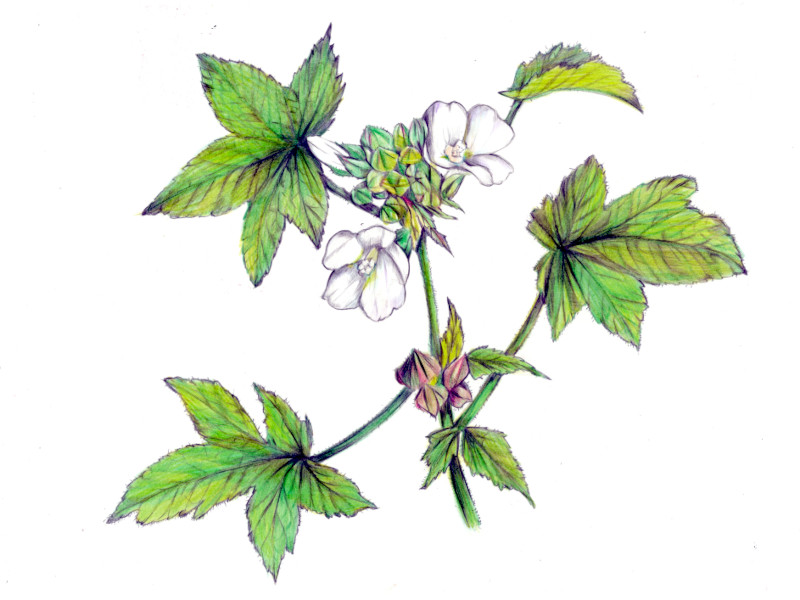
Leontopodium leiolepis
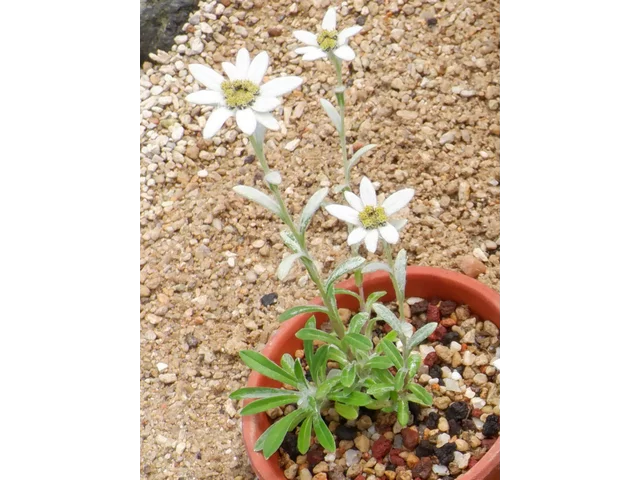 Location: Botanic Garden of Toyama
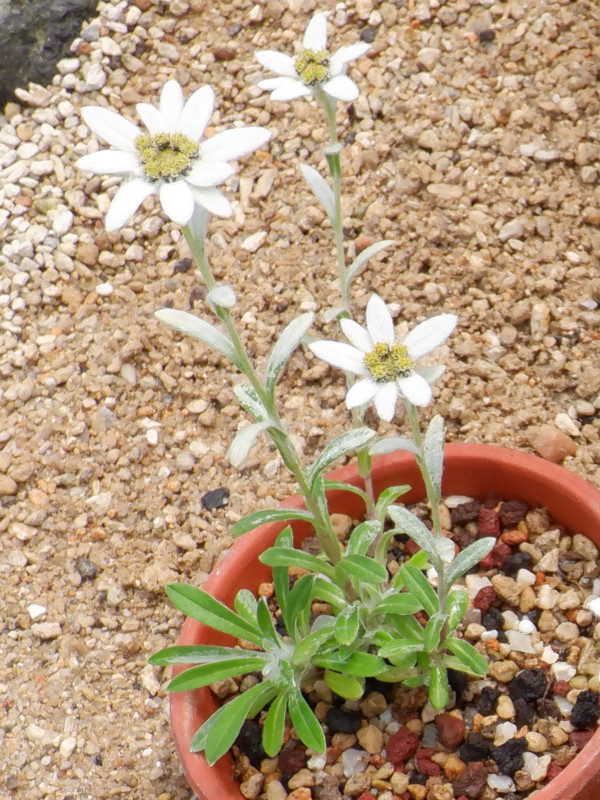
- Flower nameLeontopodium leiolepis
- Scientific nameLeontopodium leiolepis
- Alias薄雪草, Usuyukisou, 深雪草
- Place of originendemic to the Korean Peninsula
- Place of floweringLow mountains, Sub-alpine, Hokkaido
- Flowering seasonJune, July, August
What is Leontopodium leiolepis
Leontopodium leiolepis or Miyukisou (Leontopodium leiolepis) is an alpine perennial herb of the genus Leontopodium (Asteraceae) endemic to the Korean Peninsula. The entire plant is densely covered with grayish-white, fluffy hairs. The grass is 10-20 cm tall. The leaves are 3-4 cm long and 0.5 cm wide, thickly lanceolate, and the margins are entire and attached in alternate clusters.
In May to June, the plant produces sporadic inflorescences with head-like flowers. The flowers (actually bracts) have only tongue-shaped flowers, not tubular flowers. The color of the flowers (actually the color of the bracts) is white, and there are about 5-10 flowers in a single inflorescence. The flowers are enclosed by bracts covered with hairs. The fruit is a thin flower. It is used for potted plants, garden plants, and rock gardens.
Common Name: Leontopodium leiolepis or Miyukisou (Deep Snow Grass, Scientific Name: Leontopodium leiolepis), Origin: Korean Peninsula, Distribution: High mountains in Korea, Life form: Alpine perennial, Height: 10-20 cm, Leafiness: thick, Leaf Form: pinnate; leaf length: 3-4 cm; leaf width: 0.5 cm; leaf margin: entire; inflorescence: alternate; bisexual flowers (central head); flowering season: May-June; inflorescence: paniculate; corolla: head with no tubular flowers and only tongue-shaped flowers; flower color (actually bract color): white; number of flowers per inflorescence: 5-10; bracts: bracteoles covered with hairs Fruiting body: slender; uses: potted, garden, rock garden.


- OrderAsterales

- FamilyAsteraceae
- GenusLeontopodium
- SpeciesL. leiolepis
- Type of flowerRadial symmetrical flower
- Array of flowerScattered inflorescence/ umbrella shape
- Petal shapeHead flower
- Leaf typelanceolate
- Edge of the leafEntire
- Life typealpine perennial herb
- Flower colorsWhite
- Colors of the leavesGreen
- Fruit color
- Height15.0 ~ 30.0 cm
- Diameter of flower0.5 ~ 0.5 cm