Lithospermum zollingeri
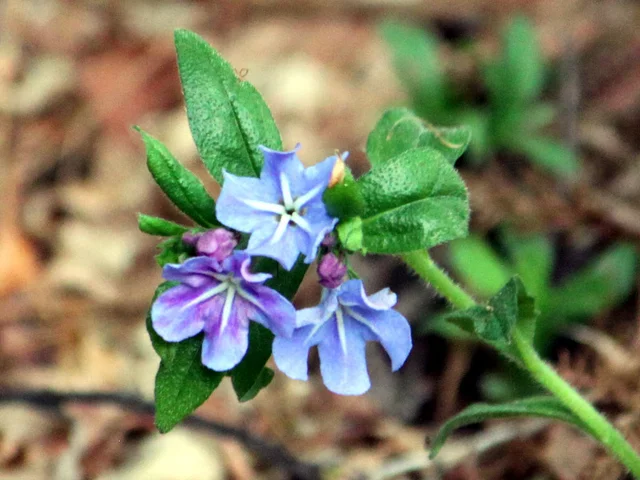 Location: Akagi Nature Park
- Location: Akagi Nature Park
- Location: Akagi Nature Park
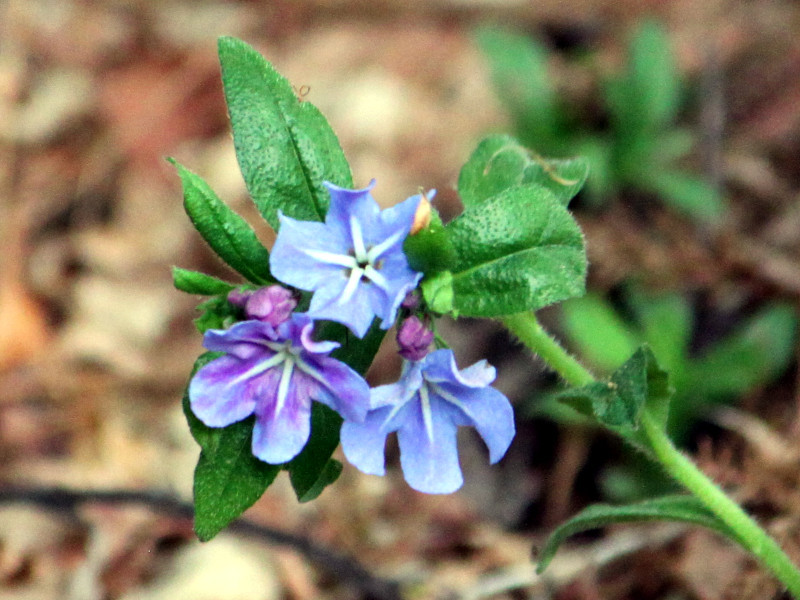
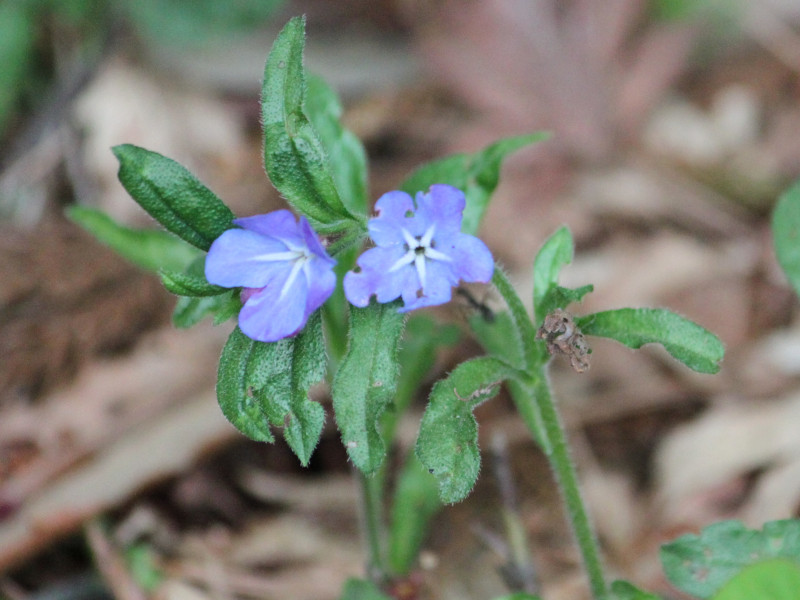
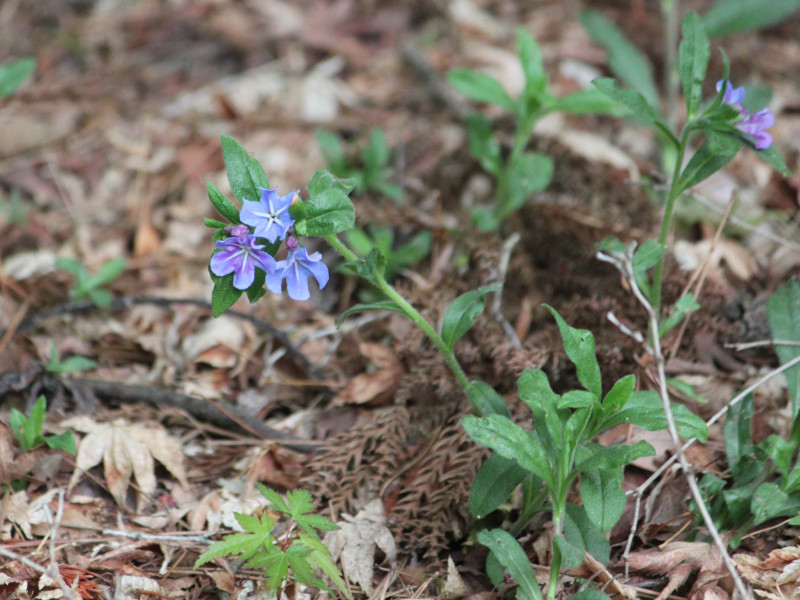
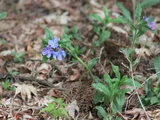
- Flower nameLithospermum zollingeri
- Scientific nameLithospermum zollingeri
- Alias蛍葛, Lithospermum zolingeri, ルリソウ, ホタルソウ, ホタルカラクサ
- Place of originJapan, Korea, Taiwan and China
- Place of floweringGarden, Low mountains
- Flowering seasonApril, May
What is Lithospermum zollingeri
Lithospermum zollingeri (Scientific name: Lithospermum zollingeri) is an evergreen perennial herb of the family Boraginaceae, native to Japan, Korea, Taiwan and China. It grows wild in fields and forests in mountainous areas from Hokkaido to Kyushu and Okinawa. The stems creep along the ground. The grass is low, less than 20 cm tall. The entire grass has coarse hairs. The leaves are inverted lanceolate with bristly hairs on the surface. The flower stalks grow from thin, upright stems and produce blue-purple flowers with a white, star-shaped central ridge in spring. The flowers are funnel-shaped with a five-medium split at the tip.
Flower color change
As the flower continues to bloom, it does not fade in color, but rather continues to bloom, changing the color of the corolla without dropping the flower that has finished its role of pollination. In the case of firefly cazula, the color changes from purple to blue.
Common name: Lithospermum zollingeri, Scientific name: Lithospermum zollingeri, Place of origin: Japan, Korean Peninsula, Taiwan, China, Leaf blade: 2-6 cm, Leaf blade width: 0.6-2 cm, Inflorescence: alternate, Leaf color: green, Flower color: blue-purple, Inflorescence: alternate; leaf color: green; flower color: blue-purple; flower diameter: 1.5-1.8 cm; flowering season: April-May; stamens: 5; anthers: light yellow; fruit type: branched.


- OrderLamiales

- FamilyBoraginaceae
- GenusLithospermum
- SpeciesL。 zollingeri
- Type of flowerRadial symmetrical flower
- Array of flowerMonopetal inflorescence
- Petal shapeFunnel/trumpet shaped
- Leaf typeInverted lanceolate
- Edge of the leafEntire
- Life type evergreen perennial herb
- Flower colorsBlue
- Colors of the leavesGreen
- Fruit colorGreen
- Height15.0 ~ 20.0 cm
- Diameter of flower1.5 ~ 1.8 cm