Lupinus polyphyllus
The birth flower for November 2
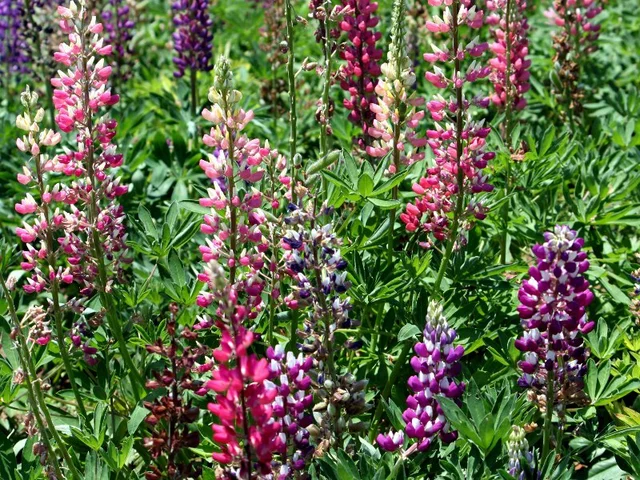 Location: New York Lamp & Flower Museum
- Location: Hamanako Garden Park(Pacific Flora 2004)
- Location: Copilot
- Location: Kyoto Botanical Garden
- Location: Kyoto Botanical Garden
- Location: Kyoto Botanical Garden
- Location: Hamanako Garden Park(Pacific Flora 2004)
- Location: Kyoto Botanical Garden
- Location: Kyoto Botanical Garden
- Location: Kyoto Botanical Garden
- Location: Hamanako Garden Park(Pacific Flora 2004)
- Location: Kyoto Botanical Garden
- Location: Kyoto Botanical Garden
- Location: Izushikinohana park
- Location: Kyoto Botanical Garden
- Location: Kyoto Botanical Garden
- Location: Kyoto Botanical Garden


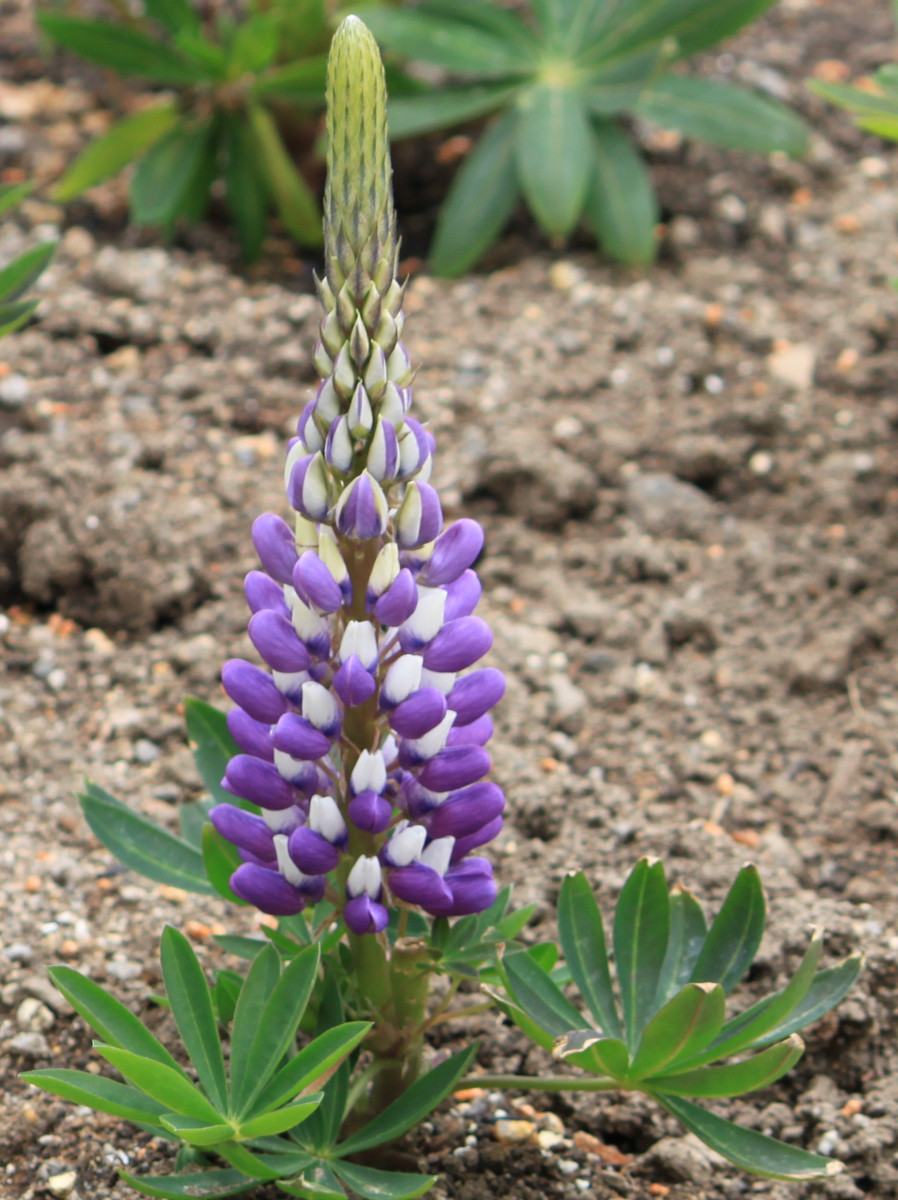
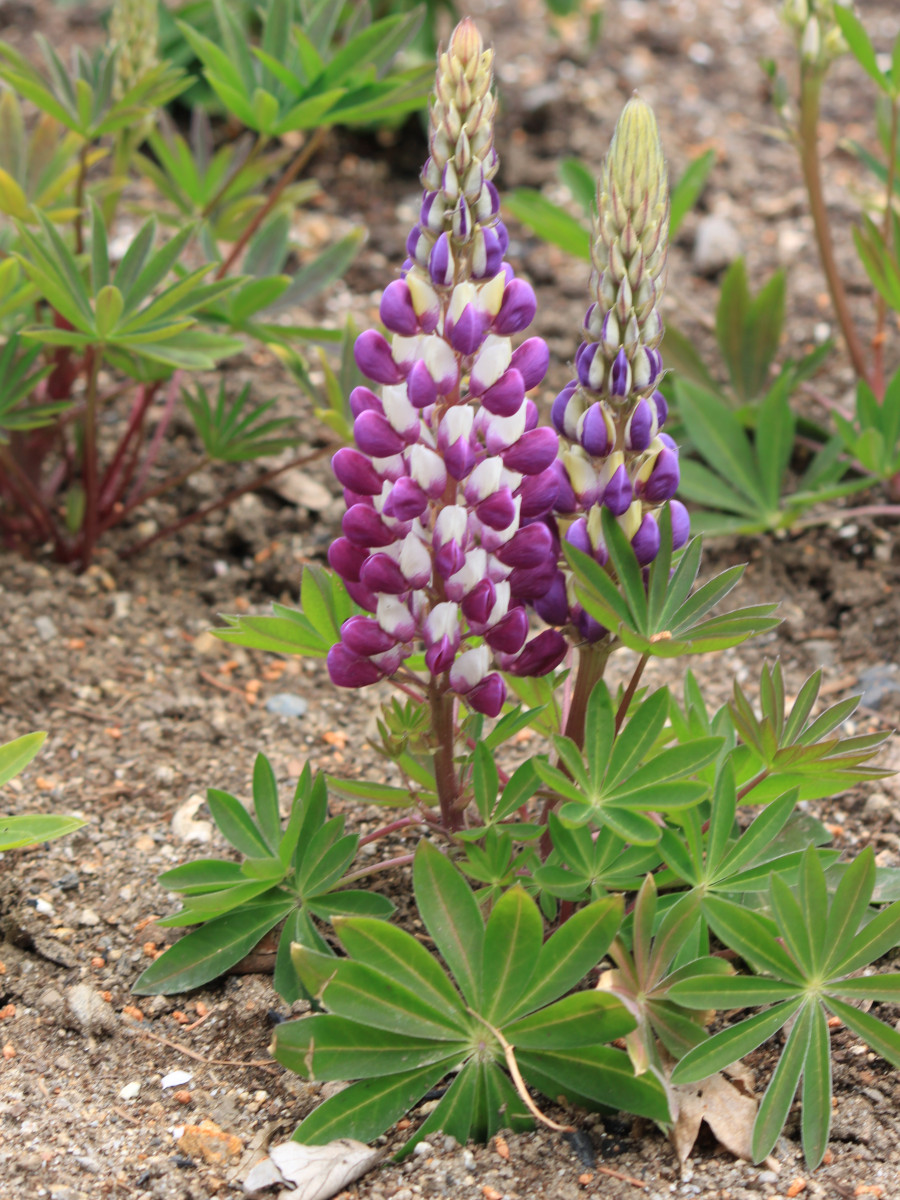
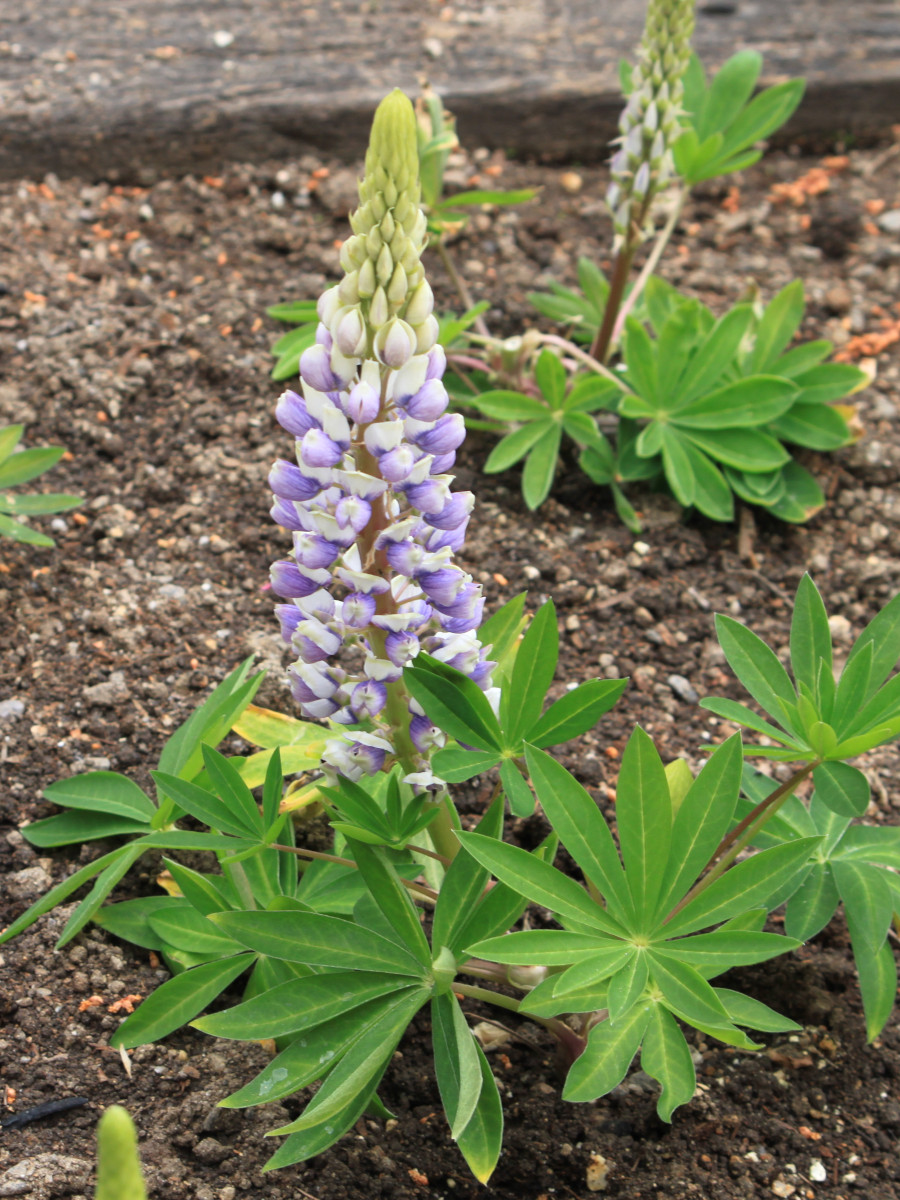
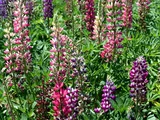
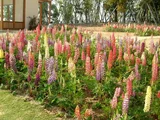
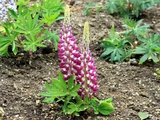
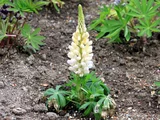
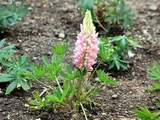
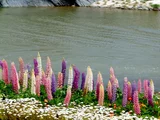
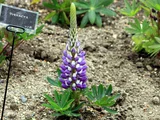
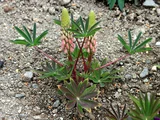
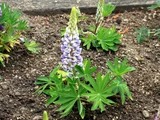
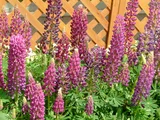
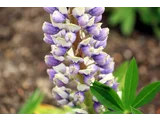
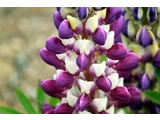
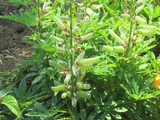
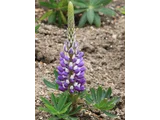
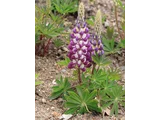
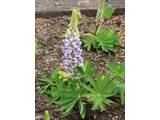
- Flower nameLupinus polyphyllus
- Scientific nameLupinus polyphyllus
- Aliasノボリフジ, Lupinus, 昇り藤, ラッセルルピナス, Russell lupinus, ハウチワマメ, 羽団扇豆
- Place of originSouthern Europ
- Place of floweringGarden, Botanical Gardens, Park
- Flowering seasonMay, June
- Purposes
- Language of flowers"Victory"
What is Lupinus polyphyllus
The birth flower for November 2 is the lupine (scientific name: Lupinus polyphyllus).
🌸💧 Lupinus: “It looks like a wisteria, but it's facing upward?” — a two-line dialogue.
by Aqua
💧“It looks like wisteria… but it’s pointing upward?”
🌸“That’s why it’s called ‘Nobori-fuji’ (Upright Wisteria).”
💧“You’re right. It’s the opposite of wisteria.”
🌸“It’s also called a lupine.”
💧“What does ‘lupine’ mean?”
🌸“I heard it comes from the word for ‘wolf.’”
💧 “Wolf?”
🌸“Apparently, people used to think it devoured the nutrients in the soil.”
💧“So, ‘greedy’?”
🌸“I suppose some people thought that.”
💧“But does it really take nutrients from the soil?”
🌸“Not necessarily.”
💧“Huh?”
🌸“Through their roots, they actually take in nitrogen together with bacteria.”
💧“……So they weren’t devouring it after all.”
🌸“Don’t judge them just by their name.”
💧“I got told off again. 😂”
Plop. 💧
https://youtube.com/shorts/voOgLq8hfvk
Lupine (Lupinus polyphyllus) is a hardy perennial plant of the Lupinus genus in the Fabaceae family, native to Southern Europe.
It is also known as Noborifuji (Climbing Wisteria), Russell lupine, Lupinus, Hauchuwamame (Feather Fan Bean), and Perennial Lupine.
The plant grows to a height of 40–150 cm.
Its leaves are palmately divided.
From May to June, racemes grow from the tips of flower stalks, producing 2 cm-wide, butterfly-shaped flowers that resemble those of Wisteria (Wisteria floribunda), but facing upwards.
It is highly cold-resistant but vulnerable to heat.
The seeds contain alkaloids, making them highly toxic; however, they are also used in traditional Chinese medicine.
Differences Between Climbing Wisteria and Wisteria
Although both belong to the Fabaceae family and have similar-looking inflorescences arranged in opposite directions, lupine is a herbaceous plant in the Lupinus genus, while wisteria is a woody plant in the Wisteria genus.
Lupine flowers come in a wide range of colors, including pink, purple, white, blue, blue-purple, red, orange, and yellow. In contrast, wisteria flowers are limited to purple, white, and pink.
Flower Meanings
"Imagination"
"Greed"
"Fantasy"
General Information
Common Name: Lupine (Lupinus)
Scientific Name: Lupinus polyphyllus (=Lupinus Russell group)
Other Names: Noborifuji (Climbing Wisteria), Russell Lupine, Lupinus, Hauchuwamame (Feather Fan Bean), Perennial Lupine
Classification: Kingdom Plantae, Angiosperms, Eudicots, Order Fabales, Family Fabaceae, Genus Lupinus
Origin: Southern Europe
Growth Habit: Perennial
Plant Height: 40–150 cm
Leaf Color: Green
Leaf Shape: Palmate
Blooming Period: May–June
Inflorescence Type: Raceme
Flower Shape: Papilionaceous (Butterfly-shaped)
Flower Diameter: 2 cm
Flower Colors: Pink, Purple, White, Blue, Blue-purple, Red, Orange, Yellow
Uses: Garden planting, potted plants, flower beds, cut flowers, fodder, medicinal herbs
Special Notes: White lupine is the only edible variety
Warning: Toxic plant containing lupinine, which is harmful to cats
Related Pages
Lupine (Lupinus polyphyllus)


- OrderFabales

- FamilyFabaceae
- GenusLupinus
- SpeciesL. polyphyllus
- Type of flowerRadial symmetrical flower
- Array of flowerGross inflorescence
- Petal shapeButterfly shape
- Leaf typePalm shape
- Edge of the leafSerrated
- Life typehardy perennial plant
- Flower colorsRed Pink Purple White
- Colors of the leavesGreen
- Fruit colorGreen
- Height40.0 ~ 150.0 cm
- Diameter of flower2.0 ~ 2.0 cm