Armenian plum
February 23rd's birth flower
 Location: Mizuho Yanagishita Productions
- Location: Kyoto Botanical Garden
- Location: Akatsuka Botanical Garden
- Location: Kiba Park
- Location: Jogasaki coast
- Location: Hakobe Botanical Garden
- Location: My home
- Location: My home
- Location: My home






- Flower nameArmenian plum
- Scientific namePrunus armeniaca l.
- Aliasアプリコット, 杏子, カラモモ, 杏, Tibetan apricot, 唐桃, ansu apricot, Apricot
- Place of originHimalaya
- Place of floweringOrchard
- Flowering seasonMarch, April
- Language of flowerstimid love
What is Armenian plum
💧February 23rd's birth flower:Armenian plum(Prunus armeniaca)>
A drop of flowers and poetry, one each day.
From Kagiken's Flower Guide, we deliver words that bloom softly in your heart.
Aqua (Waterdrop Poetry, Illustration), Editing & Translation: Mizuho @Kagiken
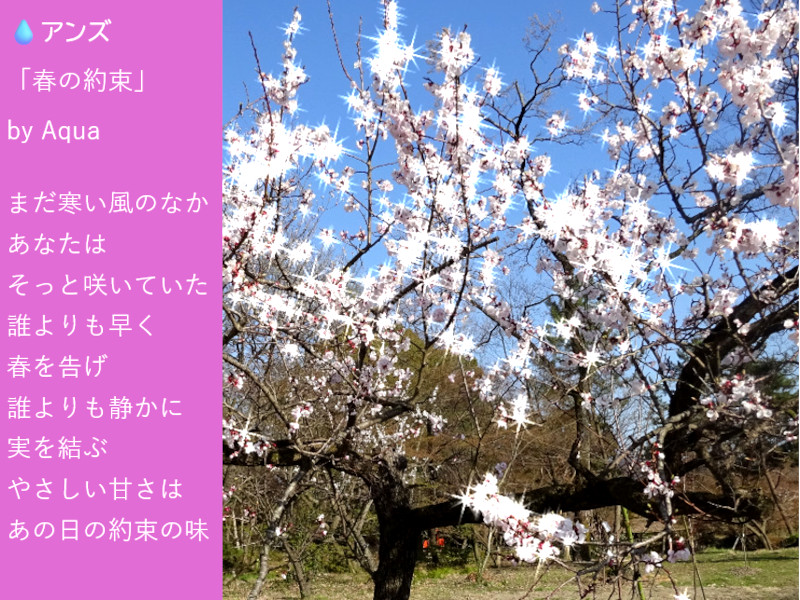
Armenian plum(Prunus armeniaca)
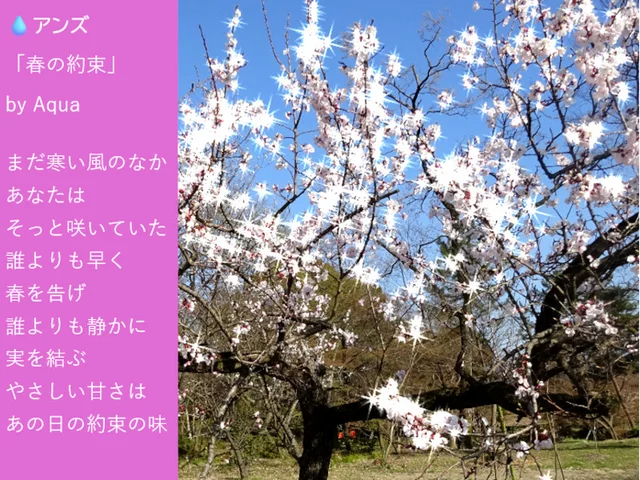
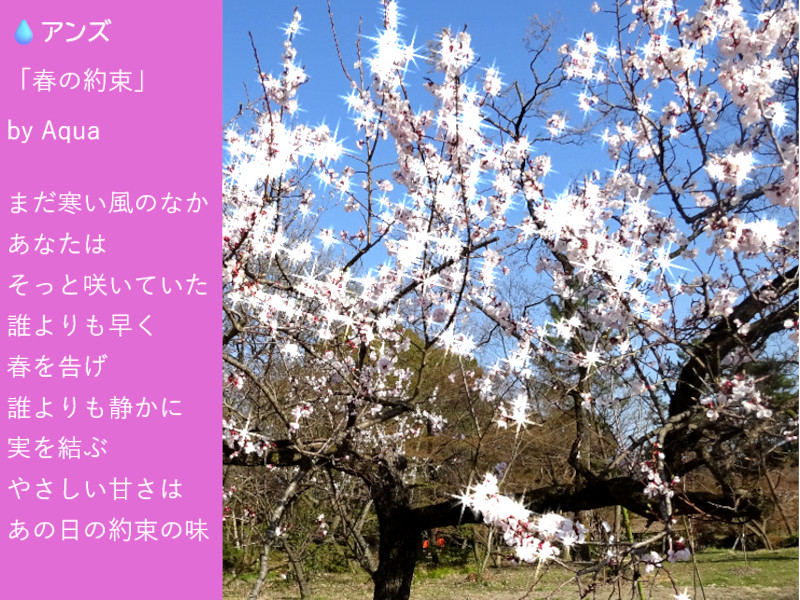
Note: The Japanese text in the illustration has the same meaning as Aqua's water droplet poem. Aqua is a water spirit.
🖋️💧Apricot Dewdrop Poem “Spring's Promise”
by Aqua
Amidst the still-chilly wind
You bloomed softly
Announcing spring sooner than anyone
Bearing fruit more quietly than anyone
That gentle sweetness
Is the taste of that day's promise
Aqua's Afterword
Apricot blossoms bloom a little earlier than cherry blossoms, don't they?
Their appearance feels like they're whispering softly in your ear, “Spring is almost here...”🌸🌬️
And the scent of the fruit that eventually ripens, and the almond fragrance,
gives me a sense of tenderness that seems to wrap around past memories and future hopes🍑✨
Armenian plum
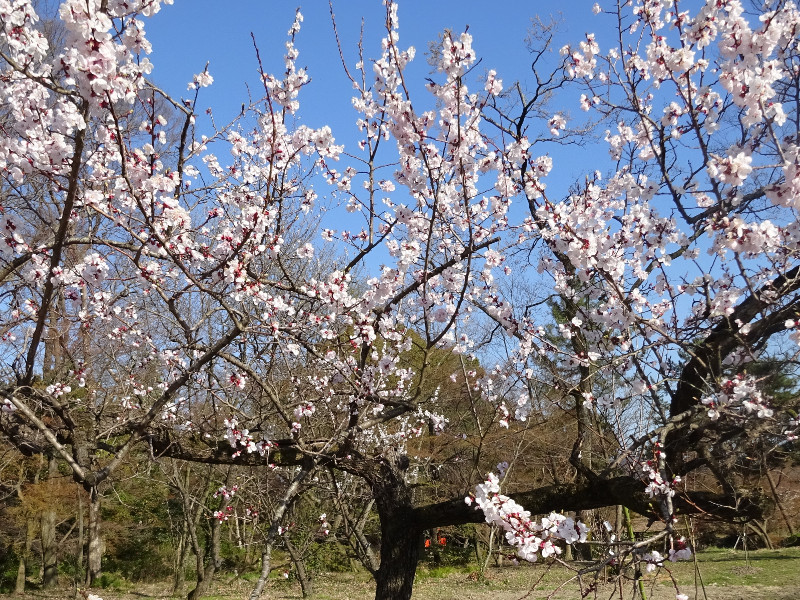
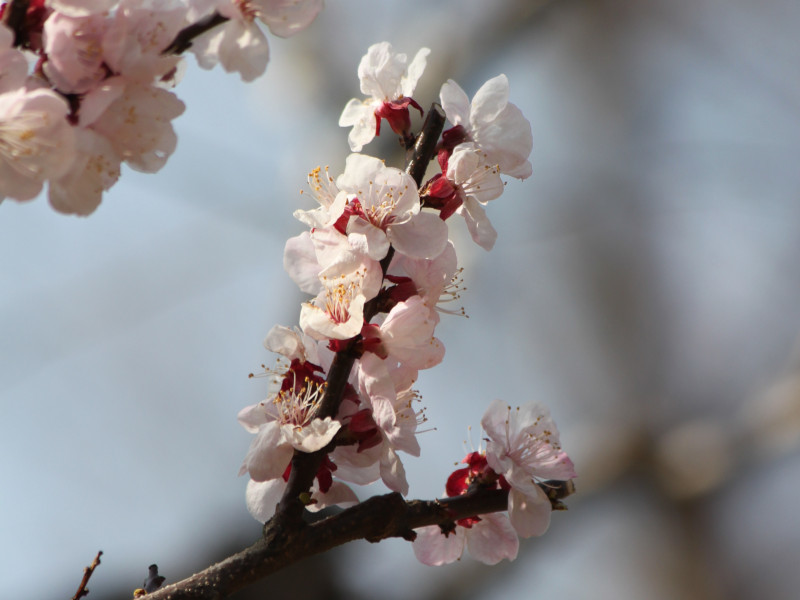
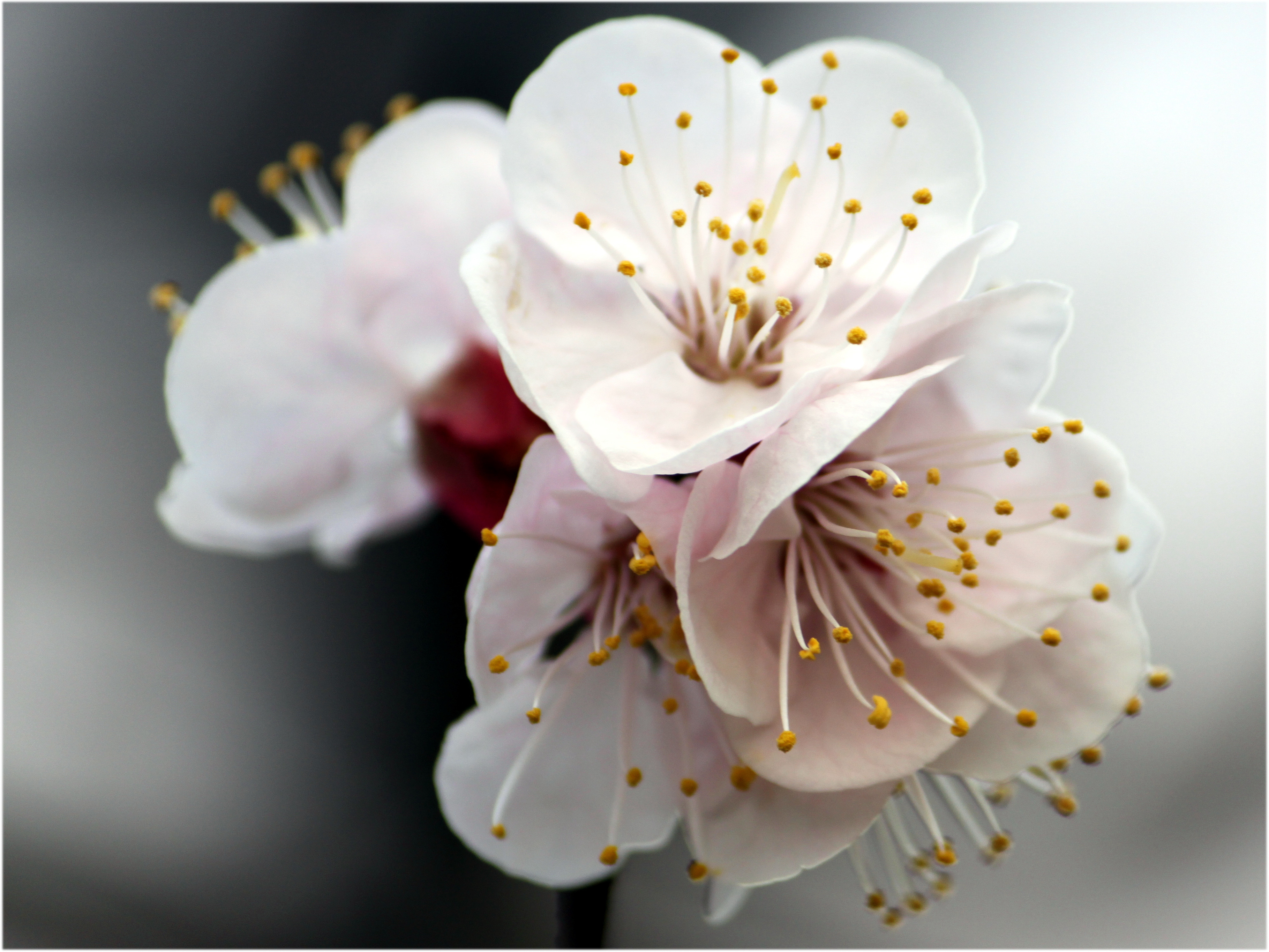
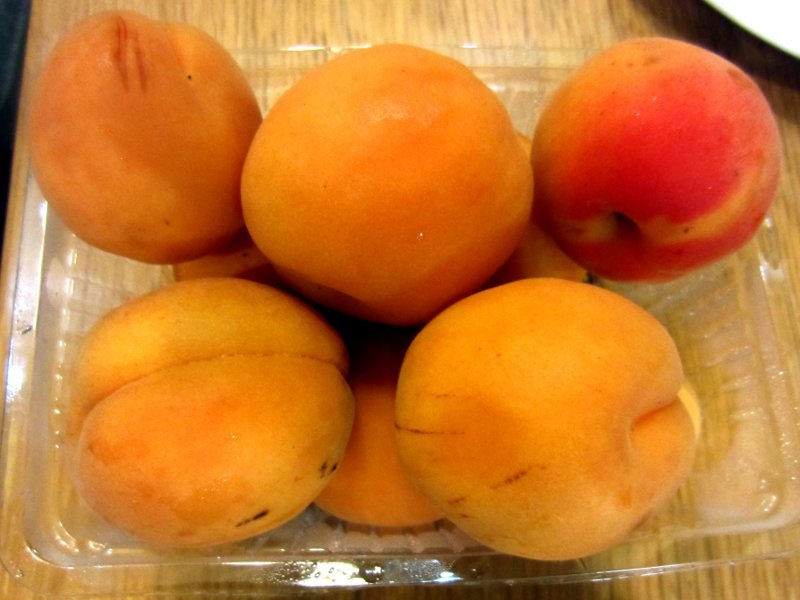
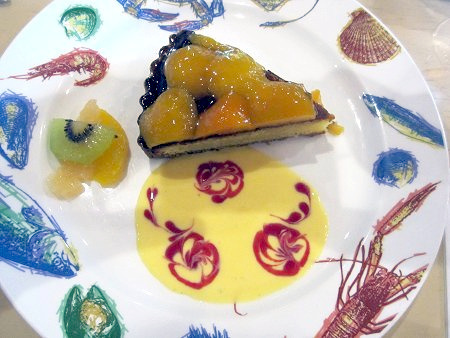
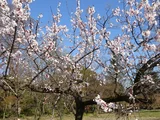
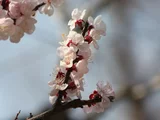
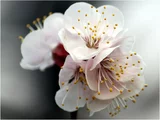
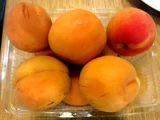
Armenian plum, scientific name armeniaca, is a deciduous small tree and its fruit of the Prunus genus , Rosaceae department native to Himalaya. That spring, in a light pink fragrant 5 petaled flowers bloom. The flowering cherry (someiyoshino) is a bit early. Consists of fleshy fruit in the summer, the spherical in Orange. The fruit is sour-sweet, good themselves apart from the seeds. Candied fruit eaten raw, jam, syrup, edible in dried fruit.
Common name: Armenian plum,
scientific name: Prunus armeniaca L.,
aka: apricot, Tibetan apricot, ansu apricot, origin: Himalayas,
living type: deciduous small trees,
height: 300-vertical fine bark: dark gray-Brown at 500 cm,
cut with a monoplane, leaf: 7 ~ 8 cm, leaf: wide oval-shaped, leaf margin: fine serrated with, phyllotaxis: alternate, flower type: radial symmetry, petals: ninomiya Crown, Inflorescence type: Lysis shaped racemes, squeezing five-petaled flowers, flowering March-April, flower color: light pink, petals 3-4 cm, fruit: drupe, harvesting season: June-July, fruit shape: spherical, the fruit diameter: 3-4 cm, flesh: food, uses: ornamental, timber and fruit eaten raw, jam, Syrup, dry matter and crude.
Related pages
Armenian plum(Prunus armeniaca)
February Birth Flowers


- OrderRosales

- FamilyRosaceae
- GenusPrunus
- SpeciesP. armeniaca
- Type of flowerRadial symmetrical flower
- Array of flowerGross inflorescence
- Petal shapeFive-petal
- Leaf typeOval
- Edge of the leafSerrated
- Life typeDeciduous small trees
- Flower colorsPink
- Colors of the leavesGreen
- Fruit colorOrange
- Height300.0 ~ 500.0 cm
- Diameter of flower3.0 ~ 4.0 cm