Daimyo oak
 Location: Tsukuba Botanical Garden
- Location: Kiba Park
- Location: Kyoto Botanical Garden
- Location: Kyoto Botanical Garden
- Location: Tokyo Metropolitan Jindai Botanical Park
- Location: Kyoto
- Location: Kyoto





- Flower nameDaimyo oak
- Scientific nameQuercus dentata
- Aliasカシワギ, 槲, カシワノキ, Japanese emperor oak, Daimyo oak
- Place of originNorth America
- Place of floweringFields and footpaths, Seashore, Botanical Gardens, Low mountains
- Flowering seasonMay, June
What is Daimyo oak
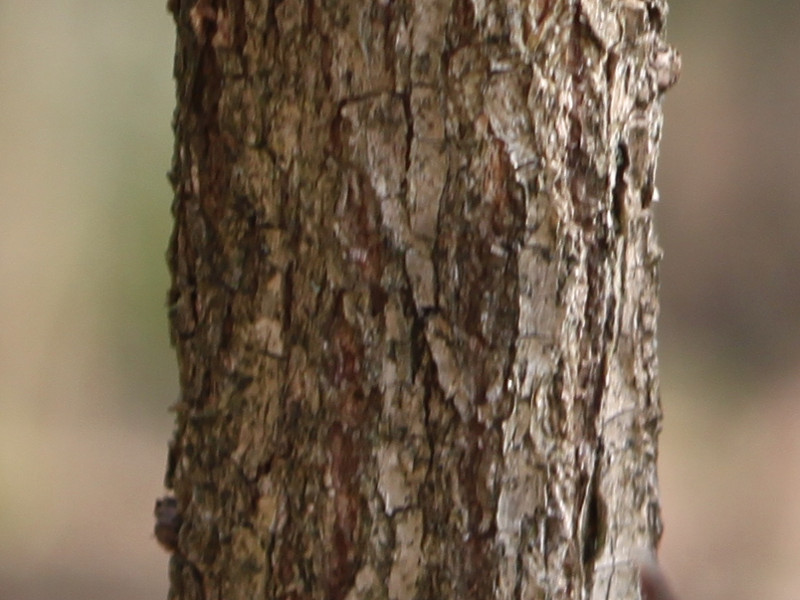
Daimyo oak, Japanese oak, Giant oak or Kashiwagi (Quercus dentata) is a cold-hardy, deciduous broadleaf tree native to North America, belonging to the Fagaceae family Quercus genus. Its bark features irregular vertical fissures.
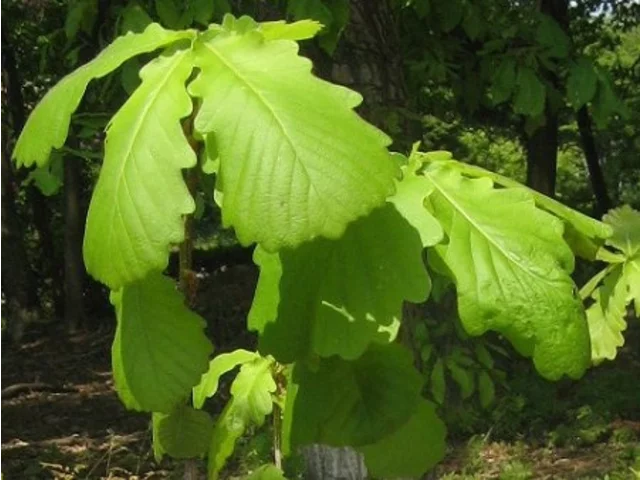
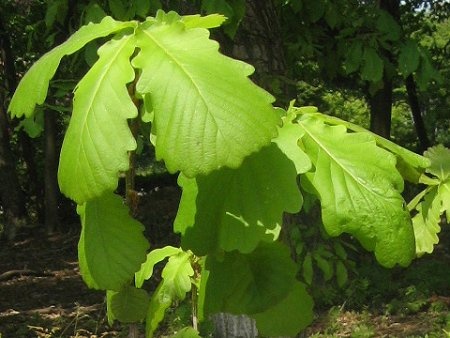
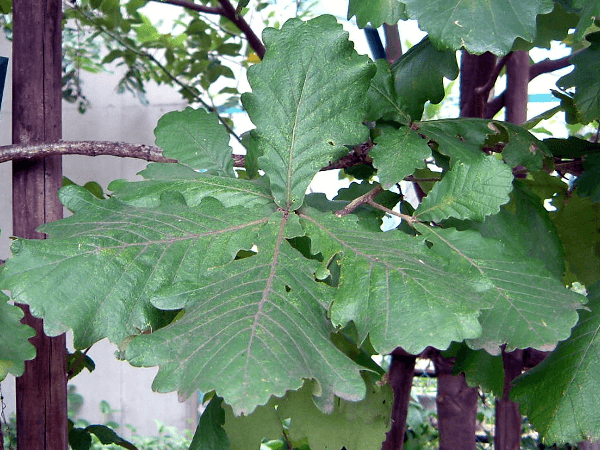
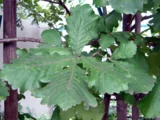
The leaves are large, obovate-elliptical, and have almost no petiole.
The base of the leaf blade is auriculate, and about five leaves are arranged in a spiral, alternate pattern.
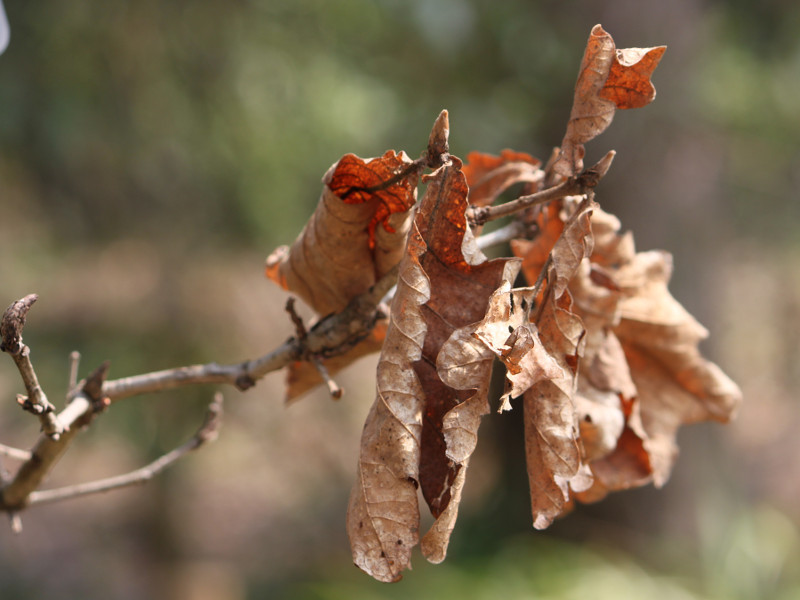
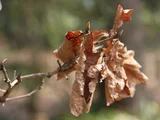
The leaf margins have large, wavy serrations. The leaves do not fall in winter and remain on the branches until spring. In early summer, as the leaves unfurl, racemes emerge from the leaf axils, bearing sparse, pale yellow-green flowers.
The tree is cold-hardy, and since the leaves do not fall until spring even after they wither, it is used as a windbreak in regions such as Hokkaido.
The leaves are used as wrappers for kashiwa-mochi, a rice cake eaten during the Boys’ Festival. In the past, they were also used as a lining under cooking pots for steamed dishes.
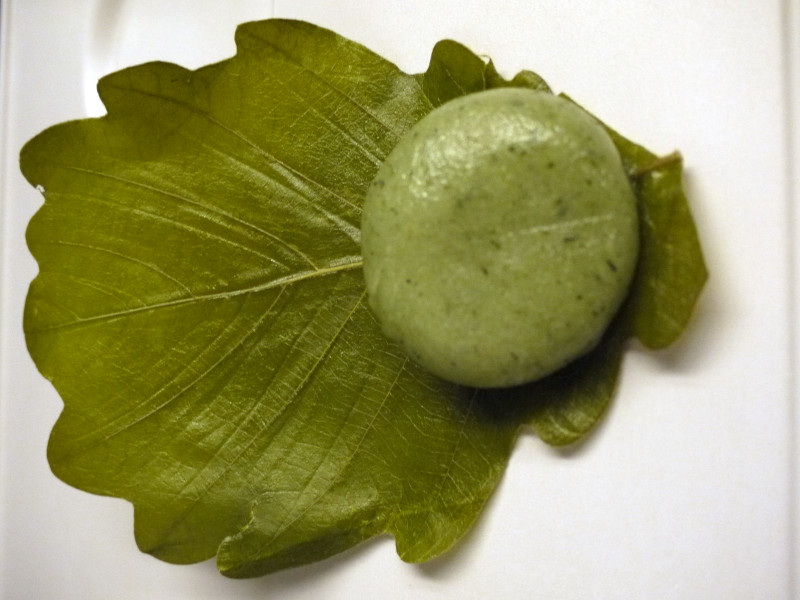
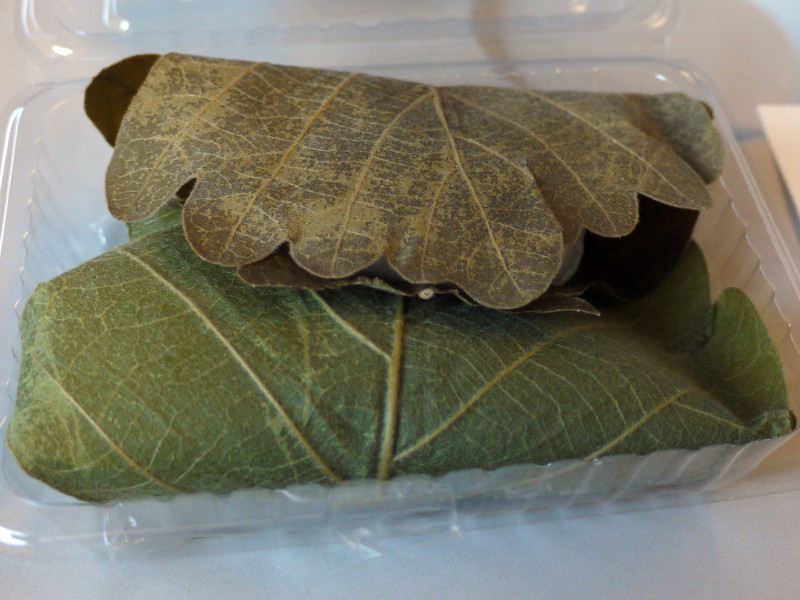
The leaves are used in the skin of the boy's day in eaten "kashiwamochi".
Collected the tannin from the bark, leaves, bark and fruit decoction and dyeing materials.
Common name: Daimyo oak ,
scientific name:Quercus dentata,
aka: Japanese oak, Giant oak or Kashiwagi
origin: North American distribution: Hokkaido-Kyushu Japan, the Korean peninsula -China ~ area east of Taiwan, living environment: wild, arid land,
life type: deciduous broad-leaved tree,
height: 15-25 m, shoots: fur is dense,
leaf: lay egg-shaped oval with a spiral, Leaf: large wavy sawtooth stock, leaf color: Green-autumn (fall), petiole: almost no (0.3 cm), leaf: ear-shaped,
leaf length: 15-30 cm, leaf width: 5-20 cm, leaf pubescence: leaves back to pale brownish stellate hairs, phyllotaxis, spirally alternate,
Monoecious and flower: ninomiya, Places flowers: axil, male flowers: catkins, female flowers: sessile, flowering period: May-June, flower color: pale yellow-green,
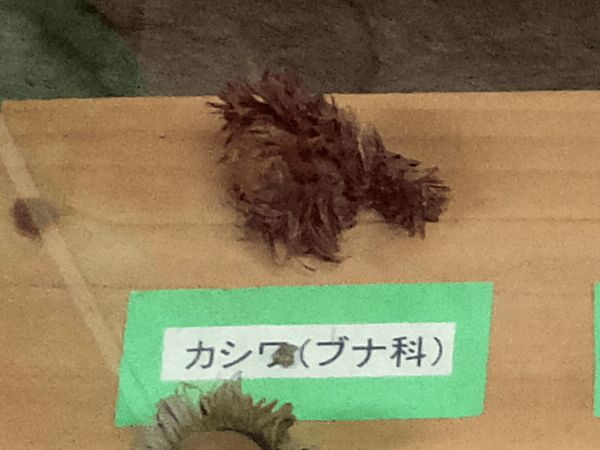
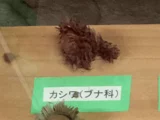
fruit: Acorn (acorns), fruiting period: next autumn, fruit length:2.5cm, cupules: scaly pattern of.


- OrderFagales

- FamilyFagaceae
- GenusQuercus
- SpeciesQ. dentata
- Type of flowerOther
- Array of flowerCaudal inflorescence
- Petal shape
- Leaf typeOval
- Edge of the leafWavy
- Life typeHardy, deciduous broad-leaved tree
- Flower colorsRed Yellow
- Colors of the leavesGreen
- Fruit colorBrown
- Height1500.0 ~ 2500.0 cm
- Diameter of flower0.2 ~ 0.2 cm