Sagittaria aginashi
 Location: Hakobe Botanical Garden
- Location: Hakobe Botanical Garden
- Location: Hakobe Botanical Garden
- Location: Hakobe Botanical Garden
- Location: Hakobe Botanical Garden
- Location: Hakobe Botanical Garden
- Location: Hakobe Botanical Garden
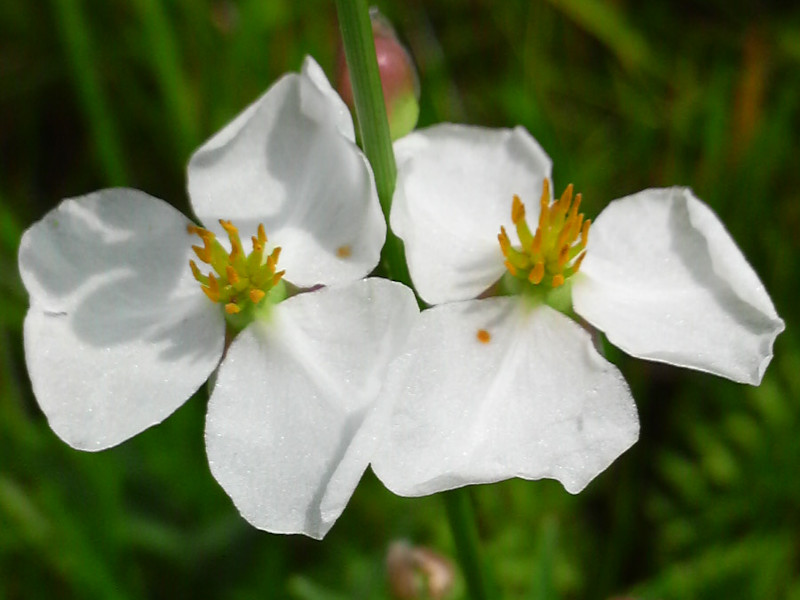

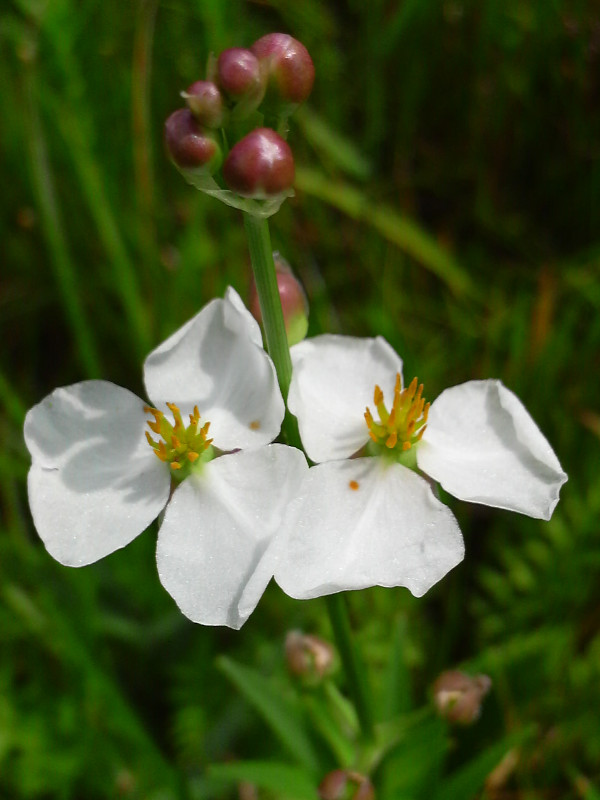


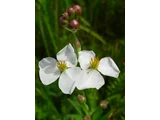
- Flower nameSagittaria aginashi
- Scientific nameSagittaria aginashi
- Alias顎無し
- Place of originJapan and the Korean Peninsul
- Place of floweringWetlands, River, pond, Rice paddies
- Flowering seasonJuly, August, September
What is Sagittaria aginashi
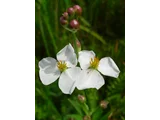
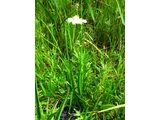
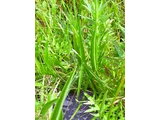
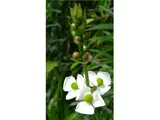
Sagittaria aginashi or aginashi (scientific name: Sagittaria aginashi) is a perennial aquatic plant native to Japan and the Korean Peninsula, belonging to the family Alismataceae. It grows naturally in wetlands, lakes, marshes, and reservoirs throughout Japan. The plant grows to a height of about 100 cm. The flowers of A. aginashii are higher than the leaves, while the leaves of A. omodaka are taller. The leaves are initially spatula-shaped, but later become arrowhead-shaped with a pointed tip. The apical bridge of the lateral lobes is slightly rounded, not pointed.
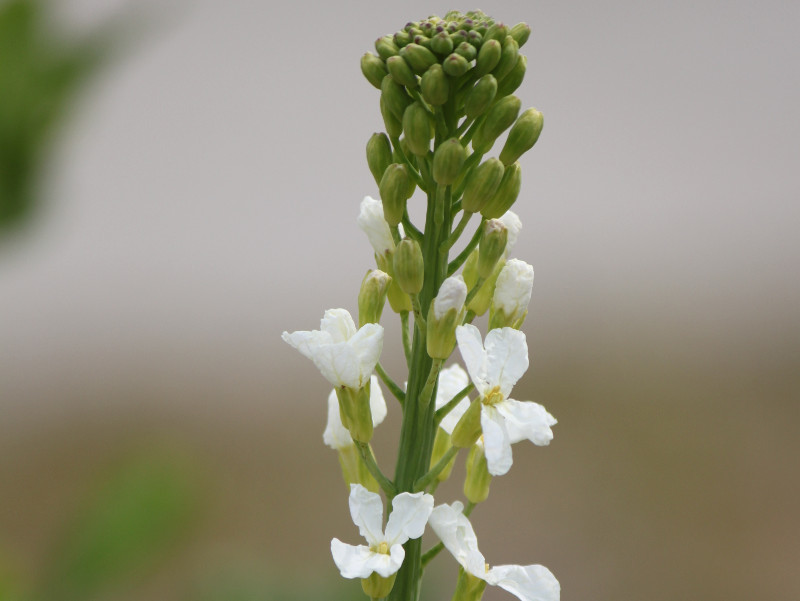
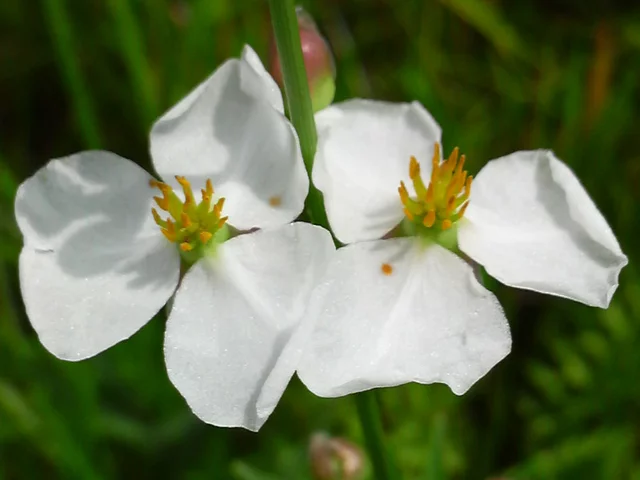
It is dioecious. There are three petals, and both male and female flowers are white. The upper part of the conical inflorescence bears caudate flowers and the lower part bears female flowers. The stamen color of male flowers is green and that of female flowers is yellow.
Common name: Sagittaria aginashi or aginashi , scientific name: Sagittaria aginashi, origin: Japan, Korean Peninsula, habitat: Japan, distribution: various regions of Japan, living environment: wetlands, lakes and ponds, grass height: ~100 cm, life type: Aquatic plants, dioecious; leaf shape: spatula to arrowhead with pointed tip; leaf length: 35 cm; flowering season: July to October; flower color: white; number of petals: 3; seeds: ovate with wings; note: tuber produced at the base of petiole.


- OrderAlismatales

- FamilyAlismataceae
- GenusSagittaria
- SpeciesS. aginashi
- Type of flowerRadial symmetrical flower
- Array of flowerCone / Compound inflorescence
- Petal shape3-petaled flower
- Leaf typeArrowhead shape
- Edge of the leafEntire
- Life typeperennial aquatic plant
- Flower colorsWhite
- Colors of the leavesGreen
- Fruit color
- Height30.0 ~ 100.0 cm
- Diameter of flower0.5 ~ 2.0 cm