Waremokou or Sanguisorba
Sanguisorba officinalis
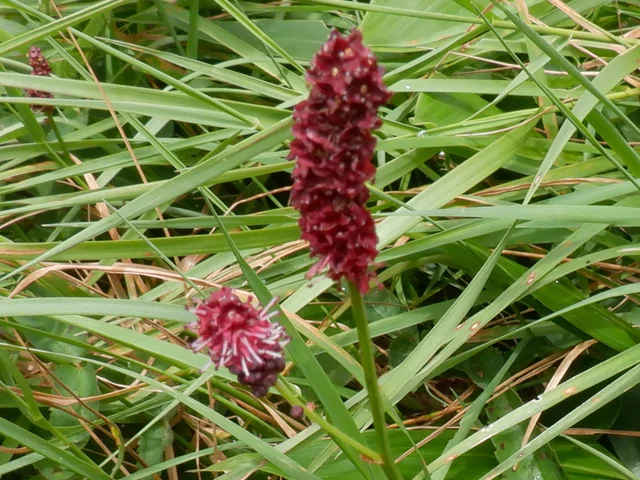 Location: Higashidateyama Kozan-shokubutuen
- Location: Hakobe Botanical Garden
- Location: Higashidateyama Kozan-shokubutuen
- Location: Higashidateyama Kozan-shokubutuen
- Location: Tateyama
- Location: Nagano prefecture
- Location: Mie pref.
- Location: NONOHANA NO SATO
- Location: NONOHANA NO SATO
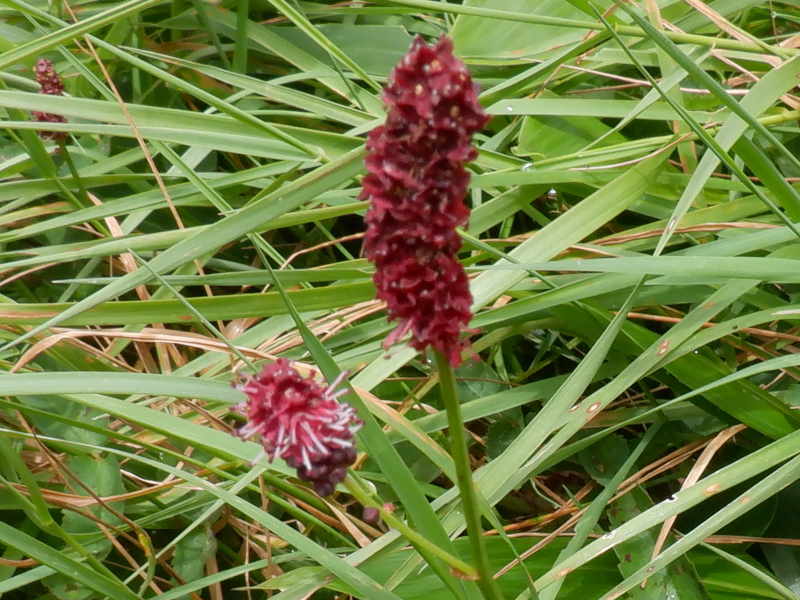
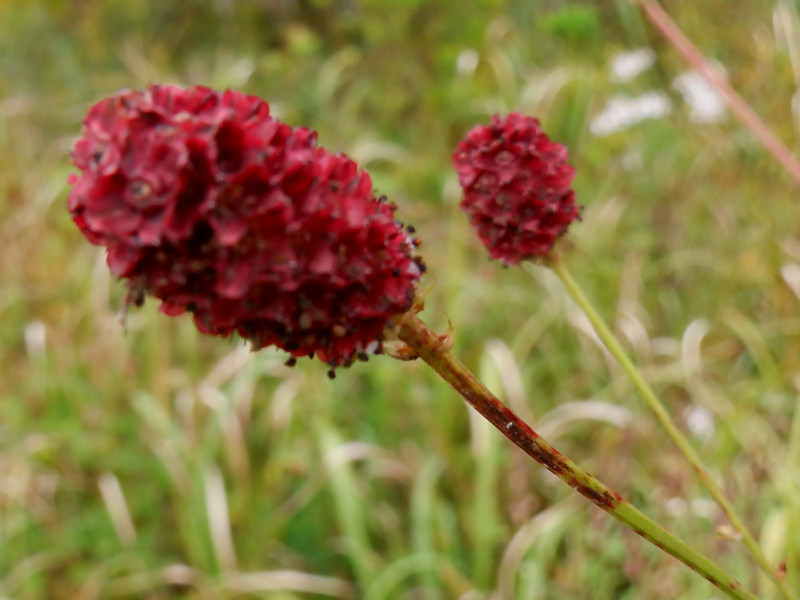
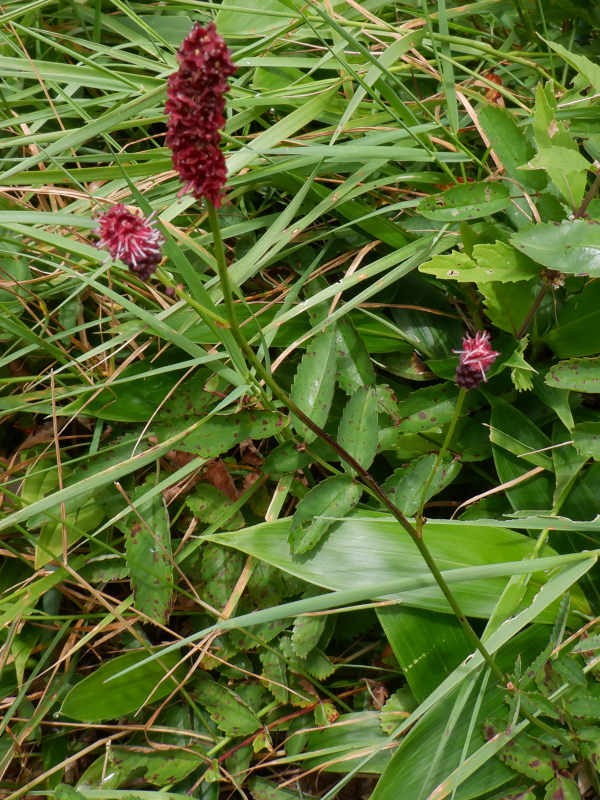
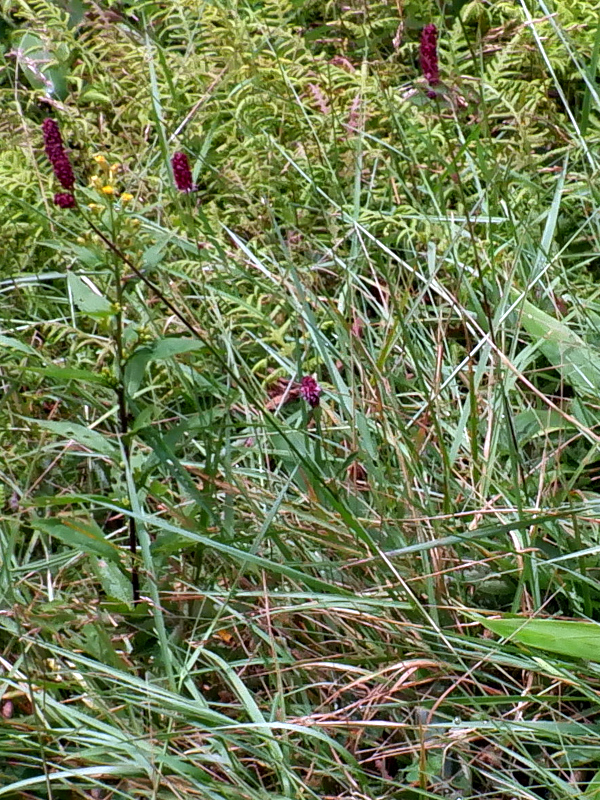
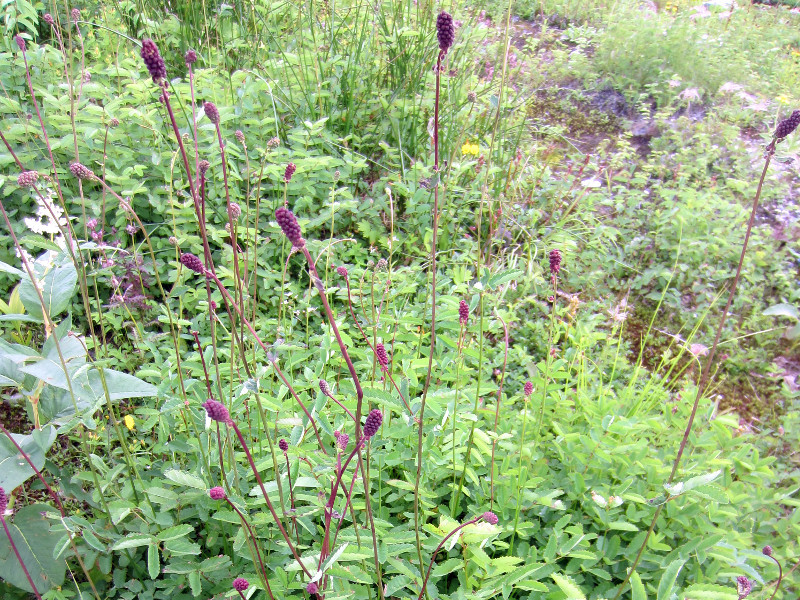
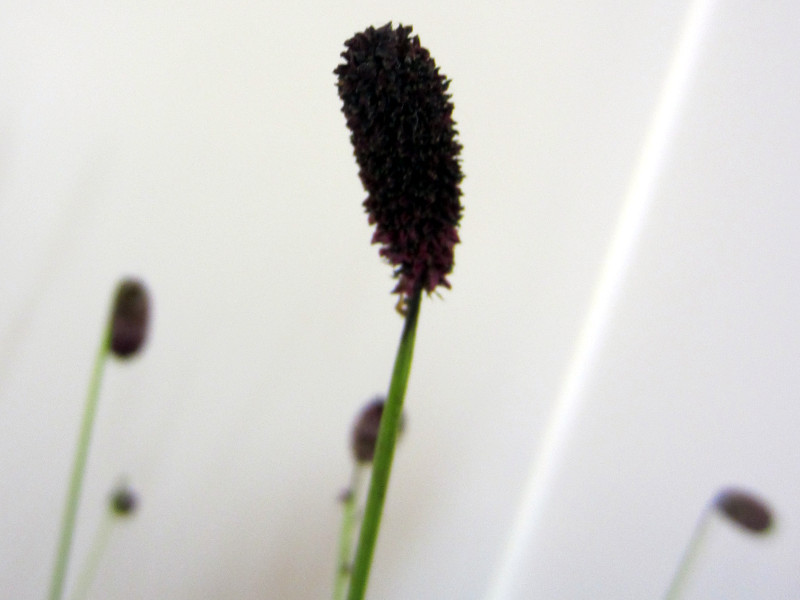
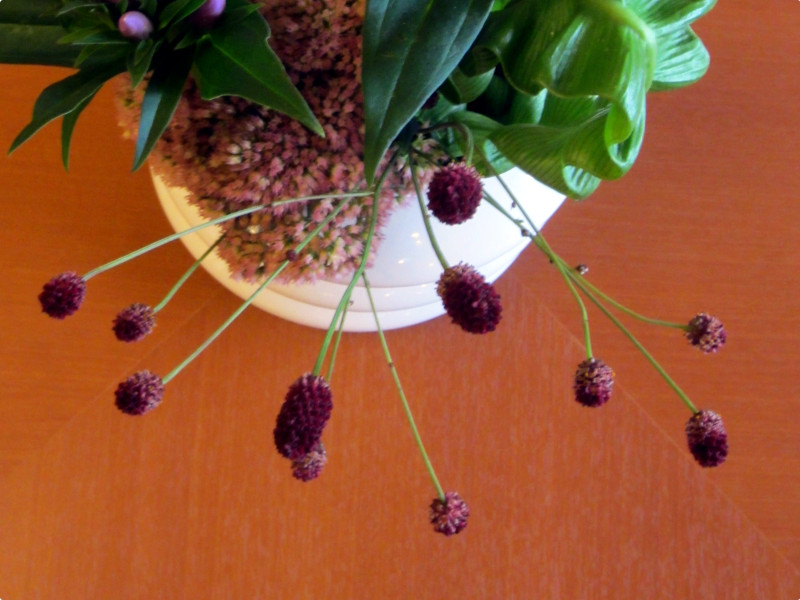


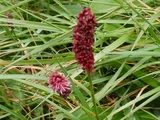
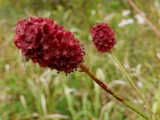
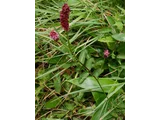
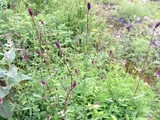
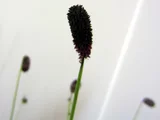
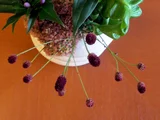
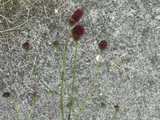
- Flower nameWaremokou or Sanguisorba
- Scientific nameSanguisorba officinalis
- Alias吾亦紅, burnet bloodwort, グレートバーネット
- Place of originJapan to China
- Place of floweringFields and footpaths, Cut flowers, flower arrangement
- Flowering seasonAugust, September, October
What is Waremokou or Sanguisorba
Birth flowers for Aug 23
August 23th's Birthday Flower is Waremokou (Sanguisorba officinalis)
💧Waremokou’s Waterdrop Poem : “Quiet Depth”
By Aqua
Black-red droplets
Gently sway in the breeze,
Like the shadows of raindrops,
Coloring the summer meadow.
Quieter than words,
This flower marks the depth of the season
With a gentle plop.
💧Waremokou’s Waterdrop Poem : “Quiet Depth”
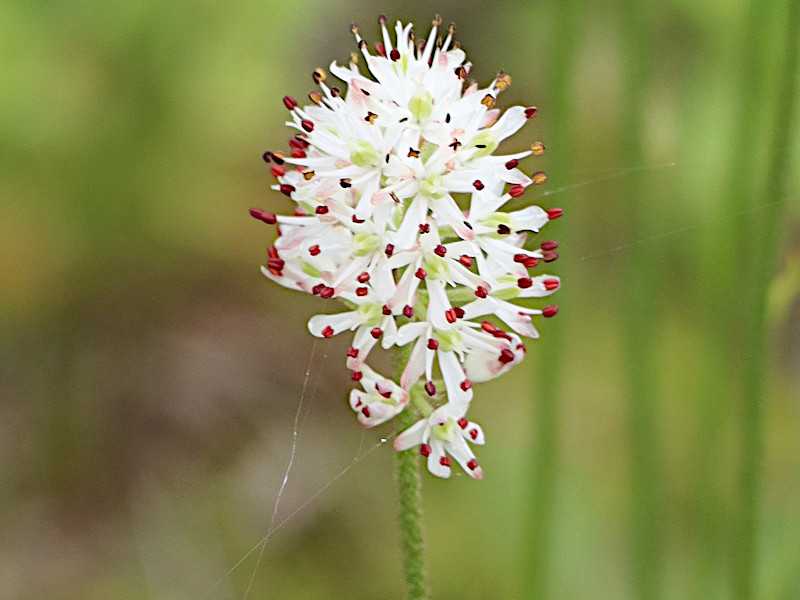
Waremokou or Sanguisorba officinalis(scientific name: Sanguisorba officinalis) is a cold-resistant perennial of the genus Rosaceae. It is commonly seen in grasslands nationwide. In the autumn, we extend the spikes and bloom a blotchless red purple florette in a spherical shape. There are no petals, the one that looks like a flower is calyx. Calyx is a finite inflorescence blooming from the top to the bottom. There are saw teeth in the leaves. Dry root contains tannins and has a hemostatic effect. The genus name "Sanguisorba" is coined from "sanguis" (blood) + "sorbere" (absorbing). There is a sennichikou () on a similar flower. Sennichikou is densely gathered with flower gathering than waremokou. The shape of the aggregate flower is round, leaves are all edges.
Name: Sanguisorba officinalis ,
scientific name: Sanguisorba officinalis,
Distribution: Japan nationwide, Environment: grassland,
plant height: 50 to 100 cm, inflorescence form: panicle inflorescences flower color: red violet flowering period: August to October,
leaf shape: feathered double leaf (root leaf), lobular shape: thin oblong shape, leaf margin: shallow sawtooth.


- OrderRosales

- FamilyRosaceae
- GenusSanguisorba
- SpeciesS. officinalis
- Type of flowerRadial symmetrical flower
- Array of flowerSpikelet inflorescence
- Petal shapewithout
- Leaf typeOdd pinnate compound leaf
- Edge of the leafSerrated
- Life typecold-resistant perennial grass
- Flower colorsRed
- Colors of the leavesGreen
- Fruit color
- Height50.0 ~ 100.0 cm
- Diameter of flower0.5 ~ 0.5 cm