Hinoki cypress
 Location: Copilot
- Location: Hakobe Botanical Garden
- Location: Hakobe Botanical Garden
- Location: Koishikawa Botanical Garden
- Location: National Museum of Japanese History 'Botanical Garden'
- Location: My home
- Location: Tokyo Metropolitan Jindai Botanical Park
- Location: National Museum of Japanese History 'Botanical Garden'
- Location: Yufuin
- Location: Hakone
- Location: Kyoto Botanical Garden

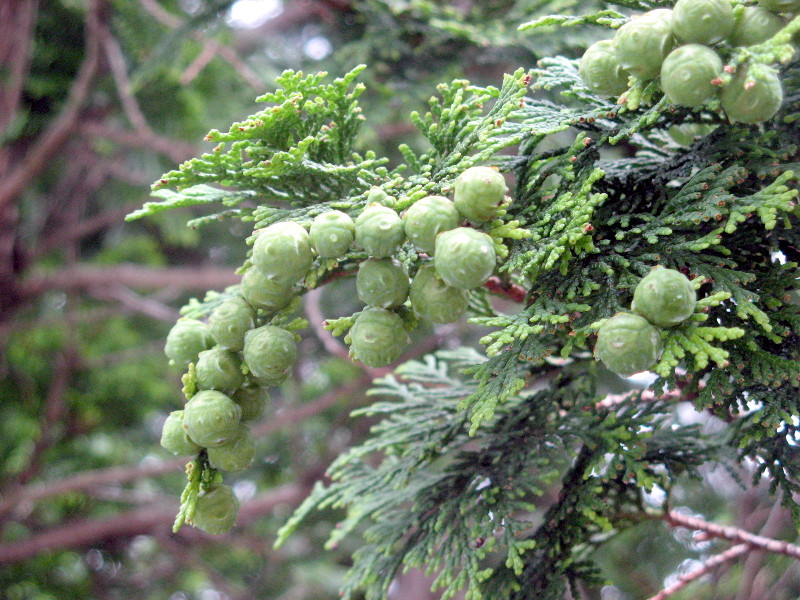
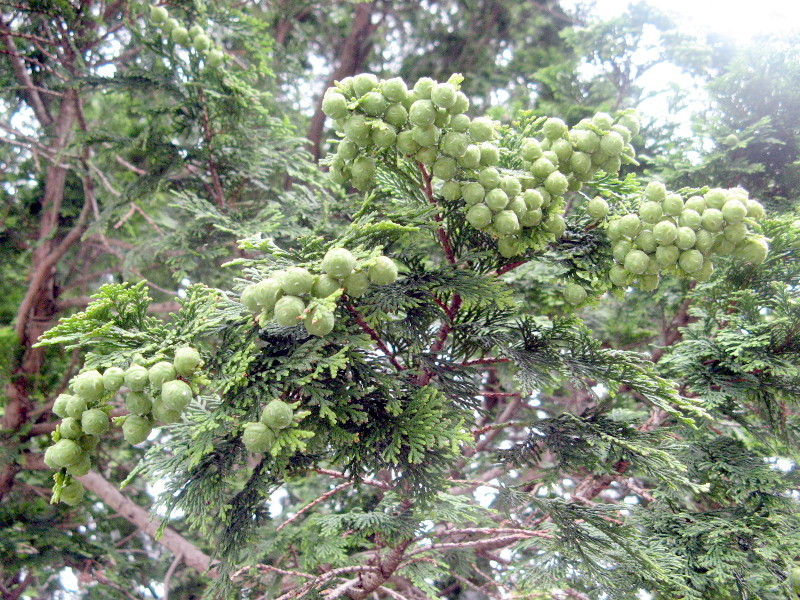
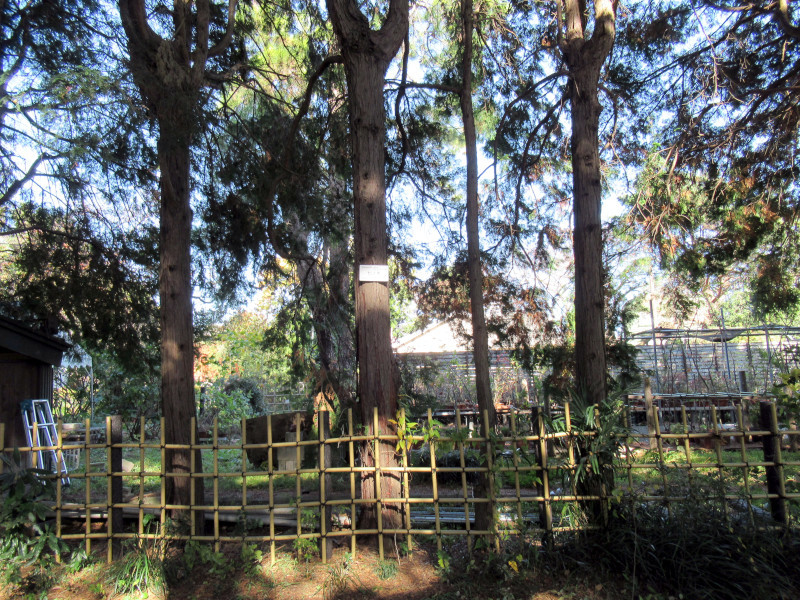
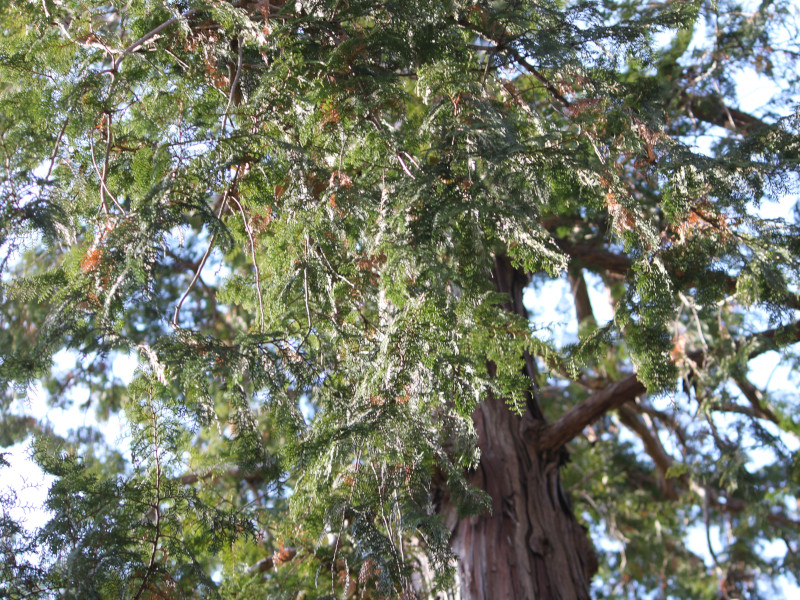


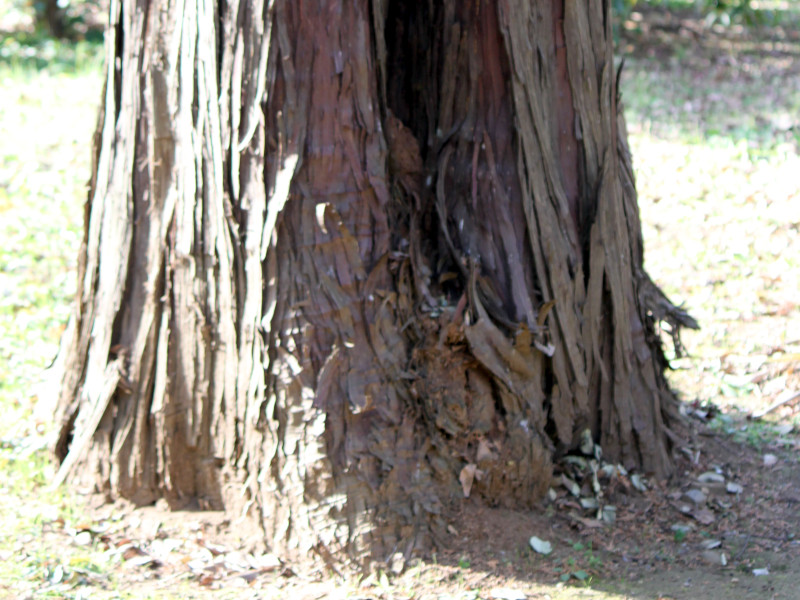
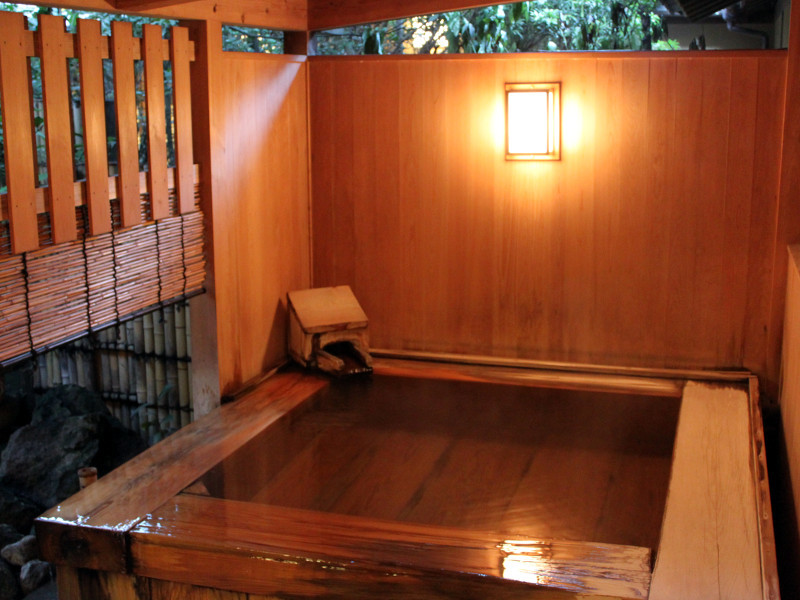
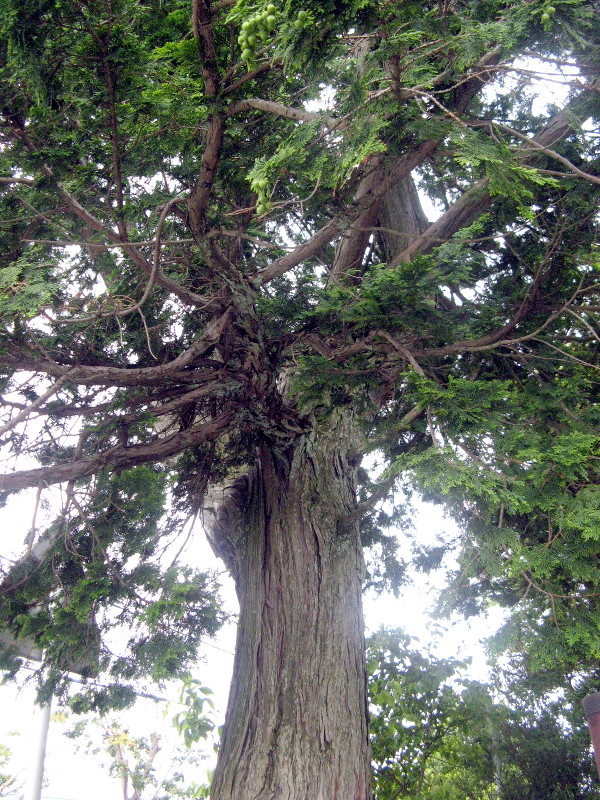
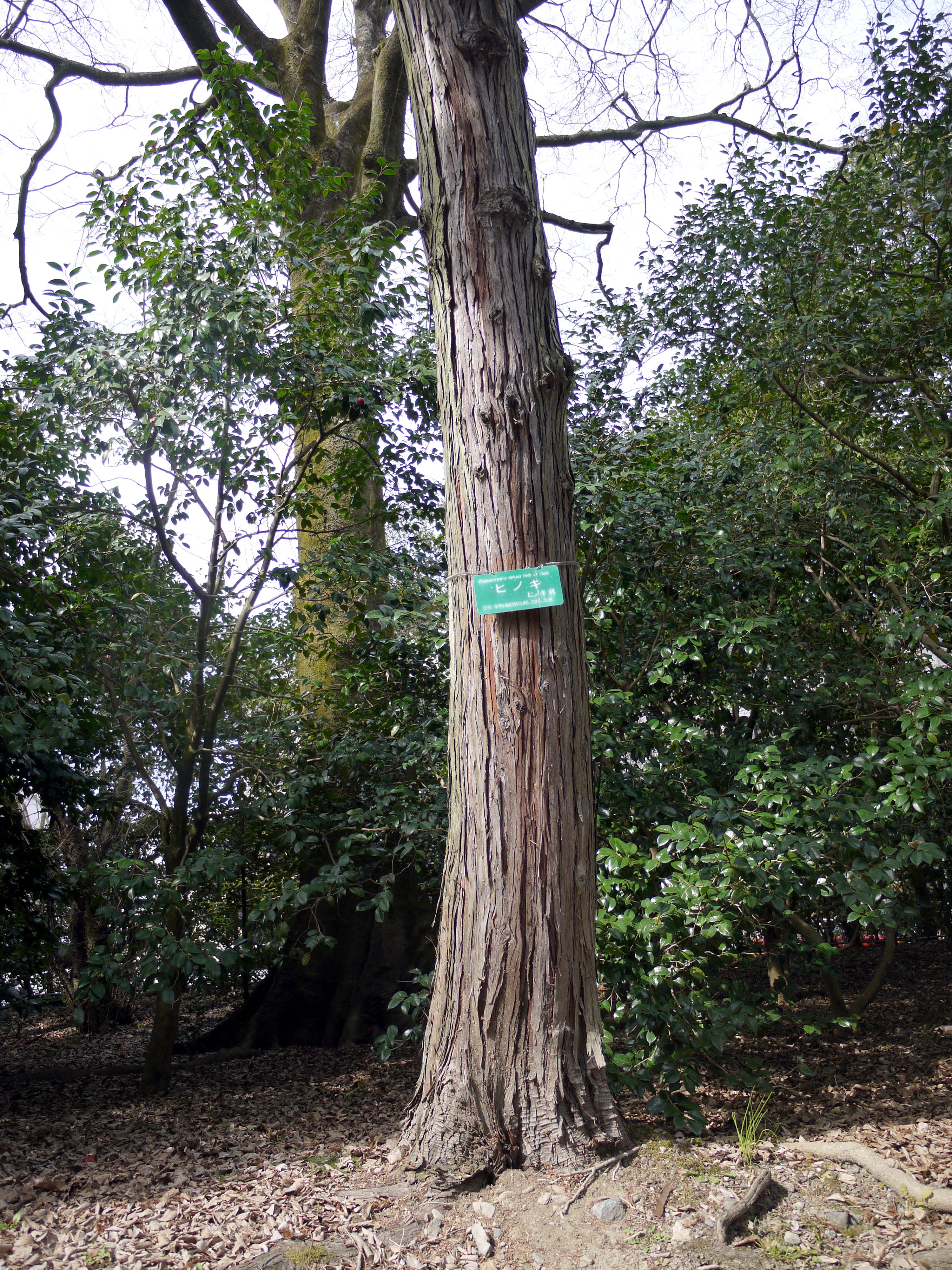

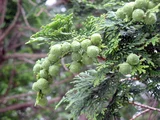
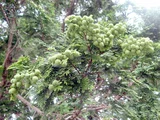

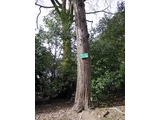
- Flower nameHinoki cypress
- Scientific nameChamaecyparis obtusa
- AliasHinoki cypress, 桧
- Place of originJapan, Taiwan
- Place of floweringBotanical Gardens, Low mountains, Sub-alpine, Cemetery & Temple, Bonsai, Streets, Planting
- Flowering seasonMarch, April
What is Hinoki cypress
December 31st’s birth flower is
Hinoki Cypress (scientific name: Chamaecyparis obtusa).
“The Memory of Fragrance”
🌲 December 31st “Hinoki”
Story & Illustration by Copilot

“Hinoki”, Illustration by Copilot
At year’s end, deep in the forest, the Hinoki stood quietly.
Each time the wind blew, its gentle fragrance drifted through the air.
“This scent… it feels so familiar,” murmured the traveler.
The Hinoki softly whispered:
“It carries the memories of days gone by.
But don’t forget—this fragrance will always
wrap you in its gentle embrace.”
The traveler closed their eyes and took a deep breath.
Then, quietly began preparing to welcome the new year.
Hinoki cypress
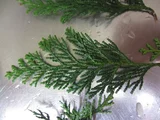
Hinoki cypress (Scientific name: Chamaecyparis obtusa) is an evergreen conifer tall tree native to Japan and Taiwan. There is a white Y-shaped pore made of wax on the leaf. The leaves have a bactericidal effect, and are placed under food such as pine nuts and dried fish as a color, cushion, and for hydration.
A tree similar to cypress, such as Sawara cypress (scientific name:Chamaecyparis pisifera) there is. The difference between the two can be discerned in the form of a white wax around the pores of the leaf. The white wax becomes colorless when heated, so it seems to protect the leaves in response to environmental changes in temperature and humidity. Pollen flying in spring is considered to be one of the causes of hay fever, though it is a high-grade wood.
General name: Hinoki cypress,
Scientific name: Chamaecyparis obtusa,
aka: Hinoki, Origin: Japan, Taiwan,
Living type: Evergreen Needle Leaf tall tree,
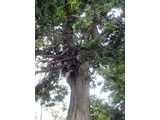
Tree height: 10 to 50 m,
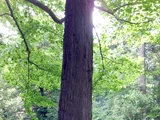
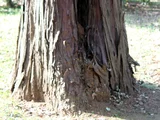
Bark: reddish brown, Phylogeny: Cross to fresh,
Leaf height: 0.1 to 0.3 cm,
Male flower: Red oval with a length of about 0.3 cm, female flower : A spherical shape with a length of about 0.5 cm per side,
flower color: light purple, brown, flowering period: March to April,
fruit shape: cone, fruit diameter: 1 cm, fruiting period: October to November,
application : Bath material, roofing material, building materials.
Related pages
Hinoki Cypress (scientific name: Chamaecyparis obtusa).


- OrderPinales

- FamilyCupressaceae
- GenusChamaecyparis
- SpeciesC. obtusa
- Type of flowerRadial symmetrical flower
- Array of flowerMonopetal inflorescence
- Petal shapewithout
- Leaf typeTongue-shaped
- Edge of the leafEntire
- Life typeEvergreen coniferous tall tree
- Flower colorsPurple
- Colors of the leavesGreen
- Fruit colorBrown Green
- Height1000.0 ~ 5000.0 cm
- Diameter of flower0.2 ~ 0.5 cm