Shumeigiku
The birth flower for September 30
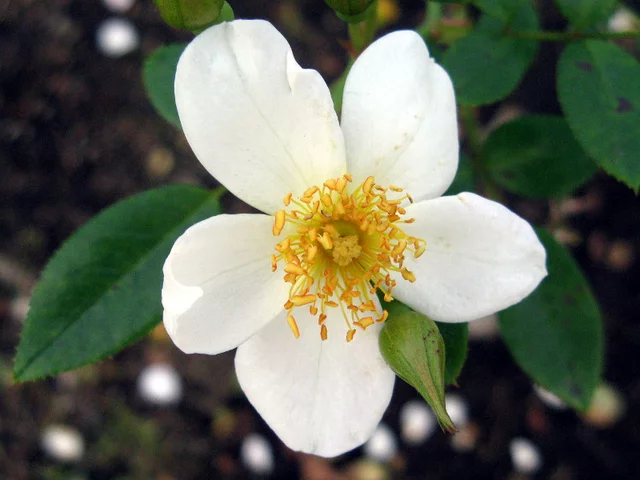 Location: hanaasobi
- Location: Yamaguchi Prefecture
- Location: Yamaguchi Prefecture
- Location: hanaasobi
- Location: hanaasobi
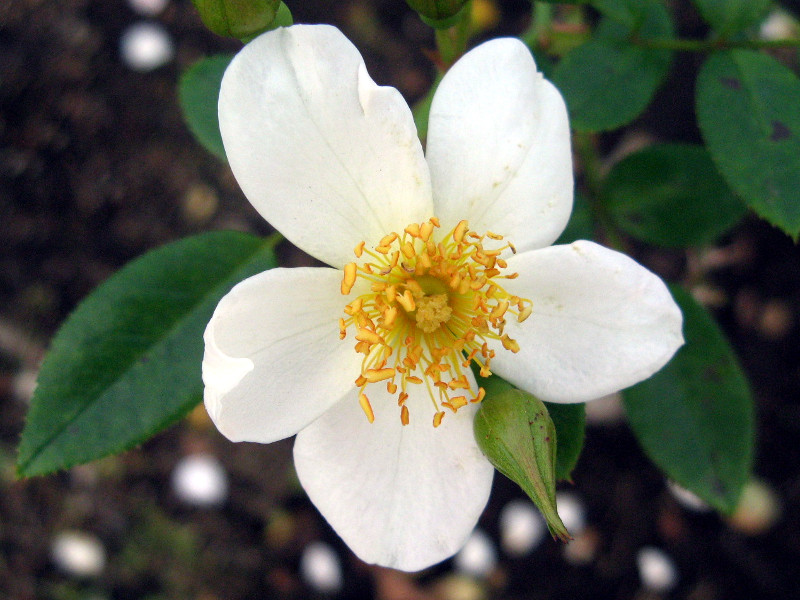
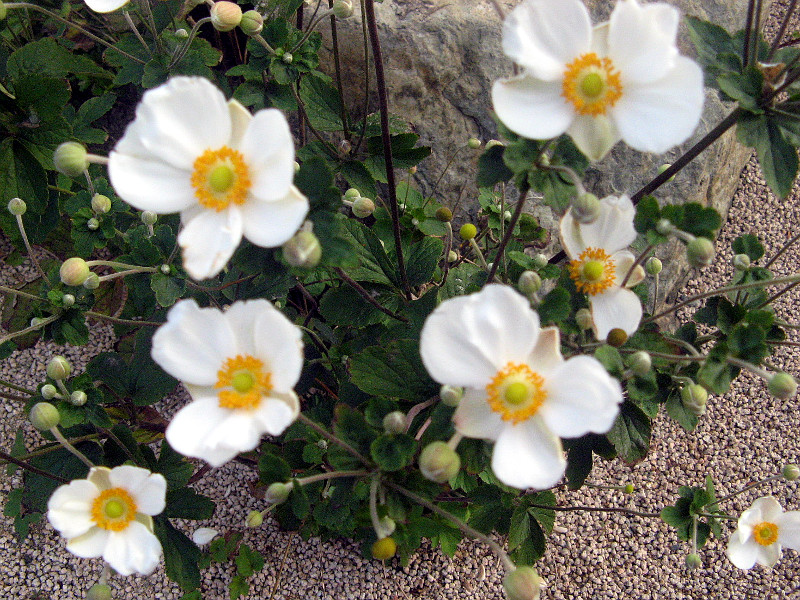
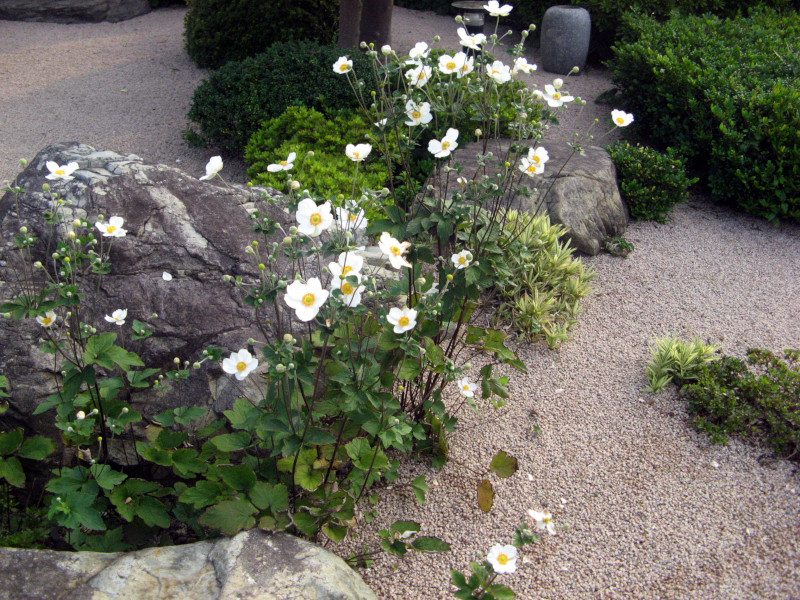
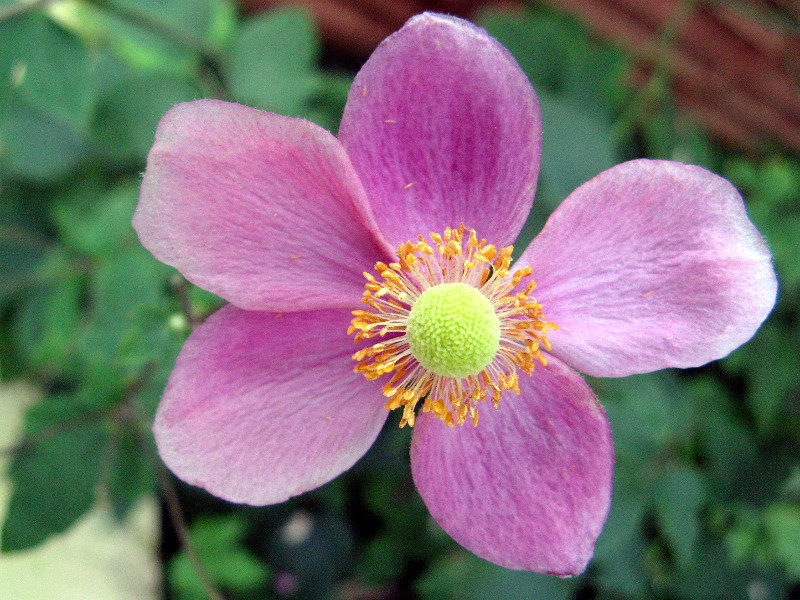
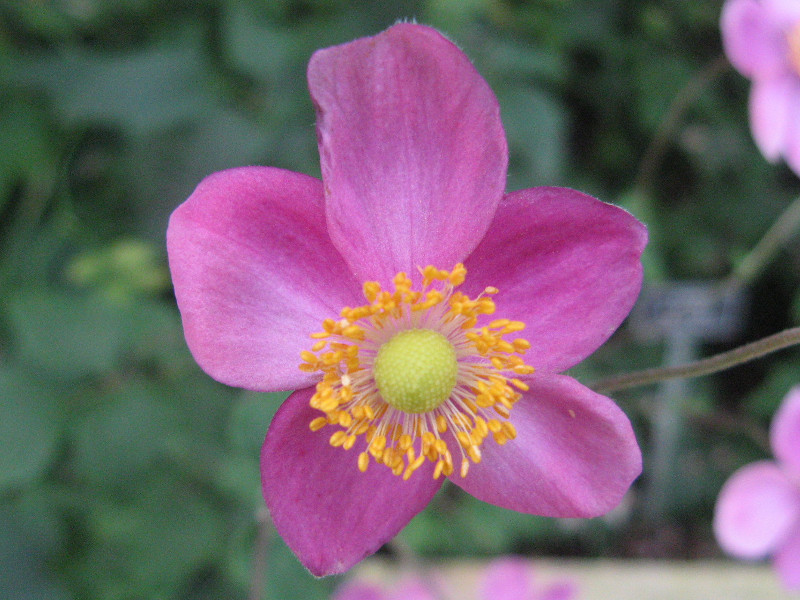
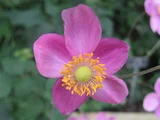
- Flower nameShumeigiku
- Scientific nameAnemone hupehensis var. japonica
- Aliasキブネギク, 貴船菊, Anemone japonica, Japanese thimbleweed, Shumei-giku, 秋明菊
- Place of originChina
- Place of floweringGarden
- Flowering seasonAugust, September, October, November
- Purposes
What is Shumeigiku
The birth flower for September 30 is Shumeigiku (Anemone japonica).
🌙💧 The Story of the Shumeigiku
Plop…
The Shumeigiku is
a “flower that stands beside the moon,”
which begins to bloom as autumn deepens.
Its petals are white and delicate,
and when light hits them, they become translucent.
The way they’re translucent
is just like they’re embracing the moonlight itself.
When the wind blows,
the slender stems sway gently,
and that gentle sway is so quiet
that just watching it calms my heart.
You see, the Shumeigiku
isn’t a flashy flower;
it’s a flower that breathes softly in the autumn air.
That’s why this flower
**“gentle companionship”**
**“quiet strength”**
carries those meanings so softly.
I gently shake the droplet and say,
“The Shumeigiku is
a flower of autumn’s stillness,
blooming alongside the moonlight.”
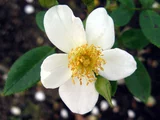
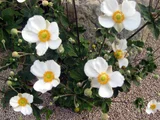
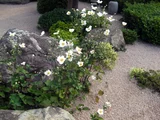
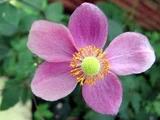
Shumeigiku or Anemone japonica (scientific name: Anemone hupehensis var. japonica) is native to China, and is a cold-resistant perennial of the family Ranunculaceae. The leaves are concentrated at the base and only the relatively small leaves are attached around the flowers, so it does not get in the way and the grass figure is refreshing. In autumn, attach a calyx such as white or pink, pink or purple flower resembling a chrysanthemum on a long and narrow stem tip. After the calyx fragments, a spherical flower core remains, and when ripening and breaking it appears a pure white fluff. There are a lot of seeds like sesame seeds in fluff and it is sprayed on the wind. In this way, even though there are sepals, flowers without corolla are called monochlamydeous flowers. In single flower-bloomed flowers, besides the main flower, there are inutades and {{chestnuts}}.
Name: Anemone Japonica,
scientific name: Anemone hupehensis var. japonica, aka: Shumei-giku, Japanese thimbleweed,
Place of Origin: China, Living type: Cold-resistant perennials,
plant length: 50 to 100 cm,
leaf shape: feathery compound leaves,
flower size Diameter): 3 to 5 cm, number of pieces to be cut: 5 to 6, stamens: large, flower color: white · peach · pink purple, flower season: August - November,
Remarks: Naturalized plants from China.
Related pages
Shumeigiku (Anemone japonica)


- OrderRanunculales

- FamilyRanunculaceae
- GenusAnemone
- SpeciesA. hupehensis var. japonica
- Type of flowerRadial symmetrical flower
- Array of flowerCorymbose inflorescence
- Petal shapeMask-like corolla
- Leaf type3-fold compound leaf
- Edge of the leafSerrated
- Life typecold-resistant perennial
- Flower colorsPink White
- Colors of the leavesGreen
- Fruit color
- Height50.0 ~ 100.0 cm
- Diameter of flower3.0 ~ 5.0 cm