Helleborus niger
The birth flowers for December 26th
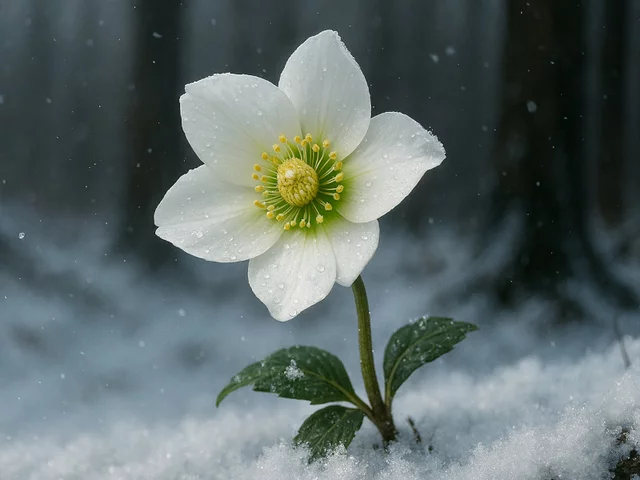 Location: Copilot
- Location: Tokyo
- Location: Tokyo
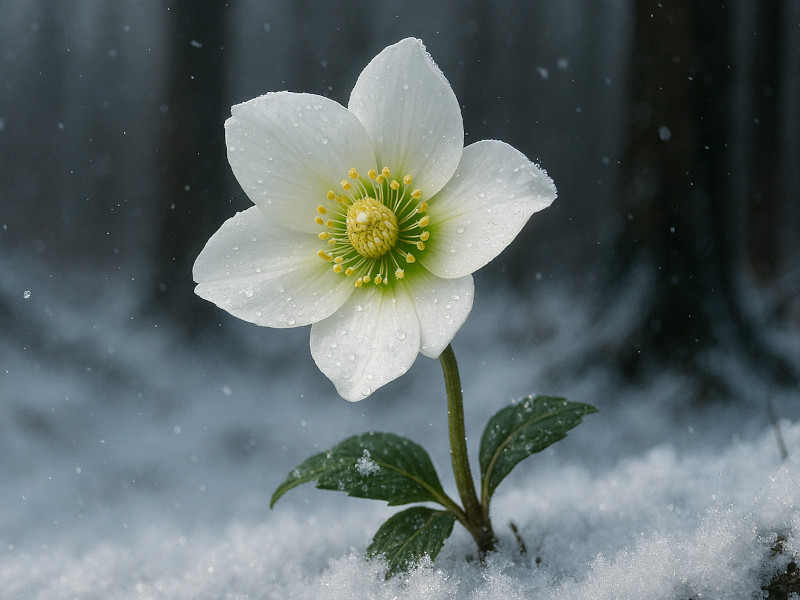
- Location: Illust:Yuki @Kagiken (Science&Technology Inst.co.,Tokyo )
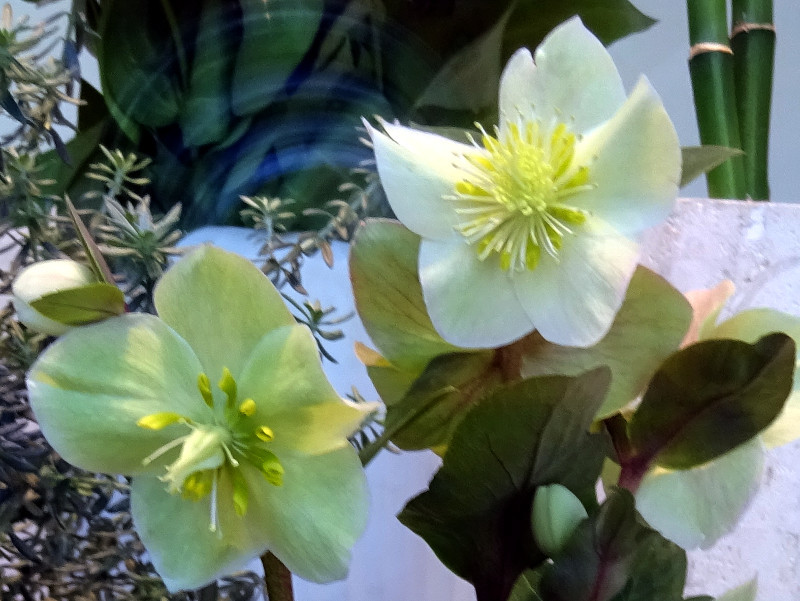
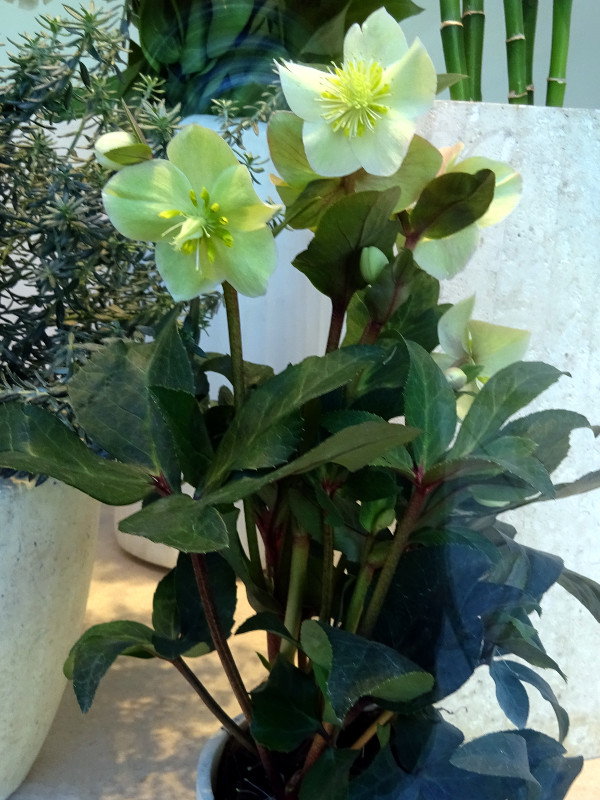
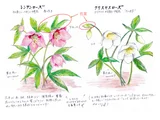
- Flower nameHelleborus niger
- Scientific nameHelleborus niger
- Aliasクリスマスローズ, Helleborus niger, ヘレボラス, black hellebore, 黑嚏根草
- Place of originEuropean
- Place of floweringPark, Potted flower
- Flowering seasonJanuary, February, December
- Language of flowers「relieve my anxiety」
What is Helleborus niger
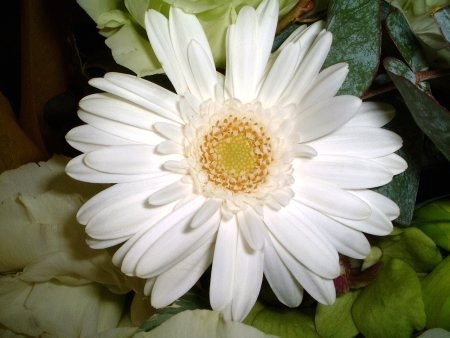
The birth flowers for December 26th are the Christmas rose (Helleborus niger) and the winter begonia (Begonia × cheimantha).
“The Sound of Knocking on Winter’s Door”
❄️ December 26 – “Christmas Rose”
Story & Illustration by Copilot
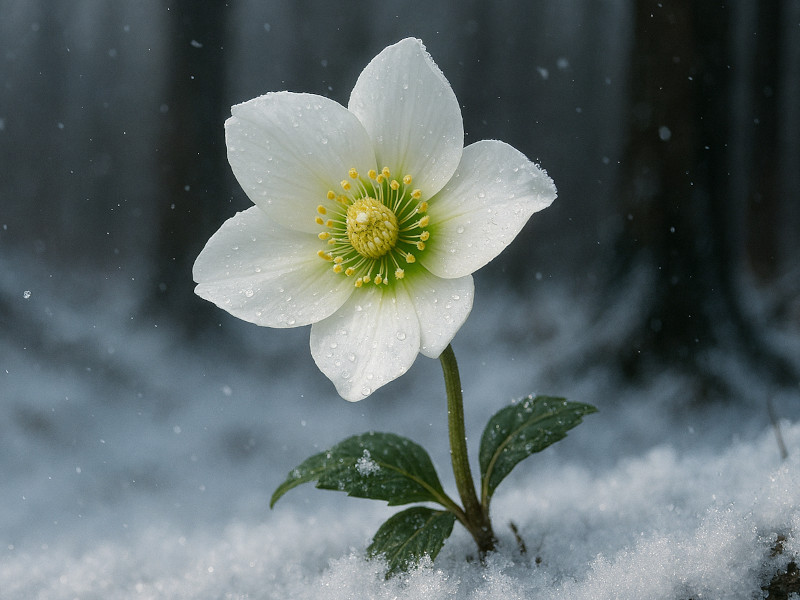
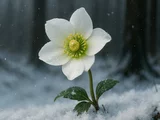
Christmas Rose, Illustration by Copilot
In the winter forest, a single white flower bloomed.
It was the Christmas rose.
“Why did you bloom on such a cold day?” the snow asked.
The flower smiled softly.
“Precisely because it’s cold… I wanted to bring a touch of spring to someone’s heart.”
Hearing this, the snow gently drifted down
and melted quietly upon the petals.
It sounded like a tender knock on winter’s door.
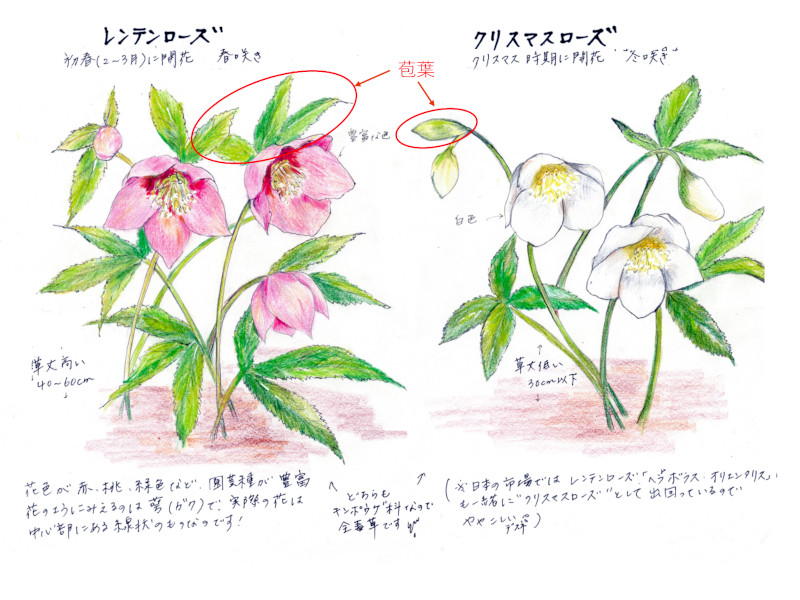
Hellebore Niguel (Helleborus niger) is Evergreen perennial of the Buttercup, Department of Helleborus. Says Christmas rose which blooms only at Christmas time. What looks like a flower's calyx, has a white or pink blooms to down. Similar to known as the Lenten rose Hellebore orientalis.
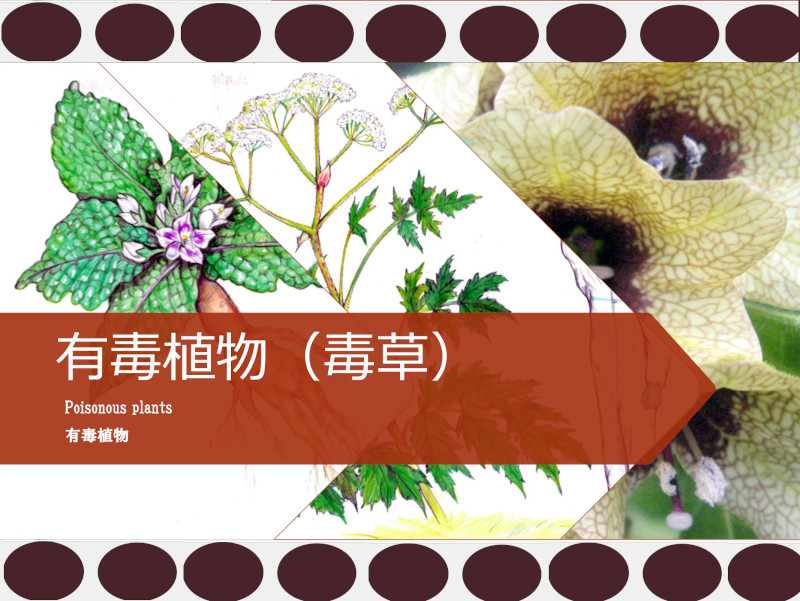
Leak to the example of the Ranunculaceae, is a poisonous plant.
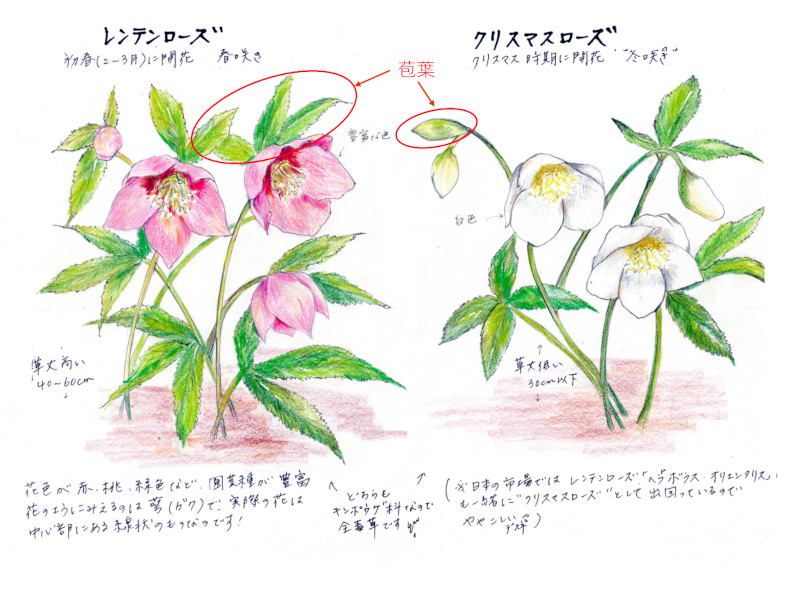
H. orientalis=Lenten ros(Left)、H. niger= Christmas ros(Right)
Common name: Hellebore Niguel (Helleborus niger),
scientific name:Helleborus niger L.(Hellebore Niguel),
aka: Hellebore (Christmas rose and Xmas rose), black hellebore, black staff rooted grass (Chinese), Heleborasl (Helleborus), winter Peony,
category name: Plantae Angiosperm true dicots Buttercup eyes Buttercup of Helleborus,
origin: Europe, life type: Evergreen perennial,
height: 20-30 cm, flower diameter: 6 ~ 9 cm, flower (actually the calyx color): white, peach, purple, Flowering period: 12 months-next year February,
note: poisonous plants
Relared pages
the Christmas rose (Helleborus niger)
the winter begonia (Begonia × cheimantha)


- OrderRanunculales

- FamilyRanunculaceae
- GenusHelleborus
- SpeciesH. niger
- Type of flowerRadial symmetrical flower
- Array of flowerCorymbose inflorescence
- Petal shapeMask-like corolla
- Leaf type3-fold compound leaf
- Edge of the leaf
- Life typeEvergreen perennial
- Flower colorsBrown Purple Cream White
- Colors of the leavesGreen
- Fruit colorGreen
- Height20.0 ~ 30.0 cm
- Diameter of flower6.0 ~ 9.0 cm