Angelica japonica
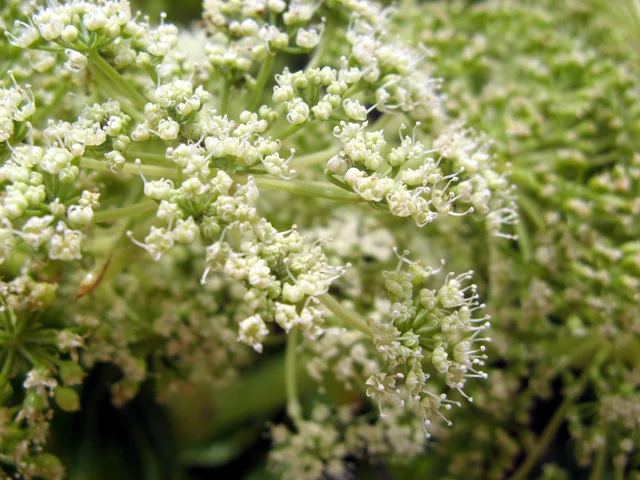 Location: Aoshima subtropical plant garden
- Location: Aoshima subtropical plant garden
- Location: Aoshima subtropical plant garden
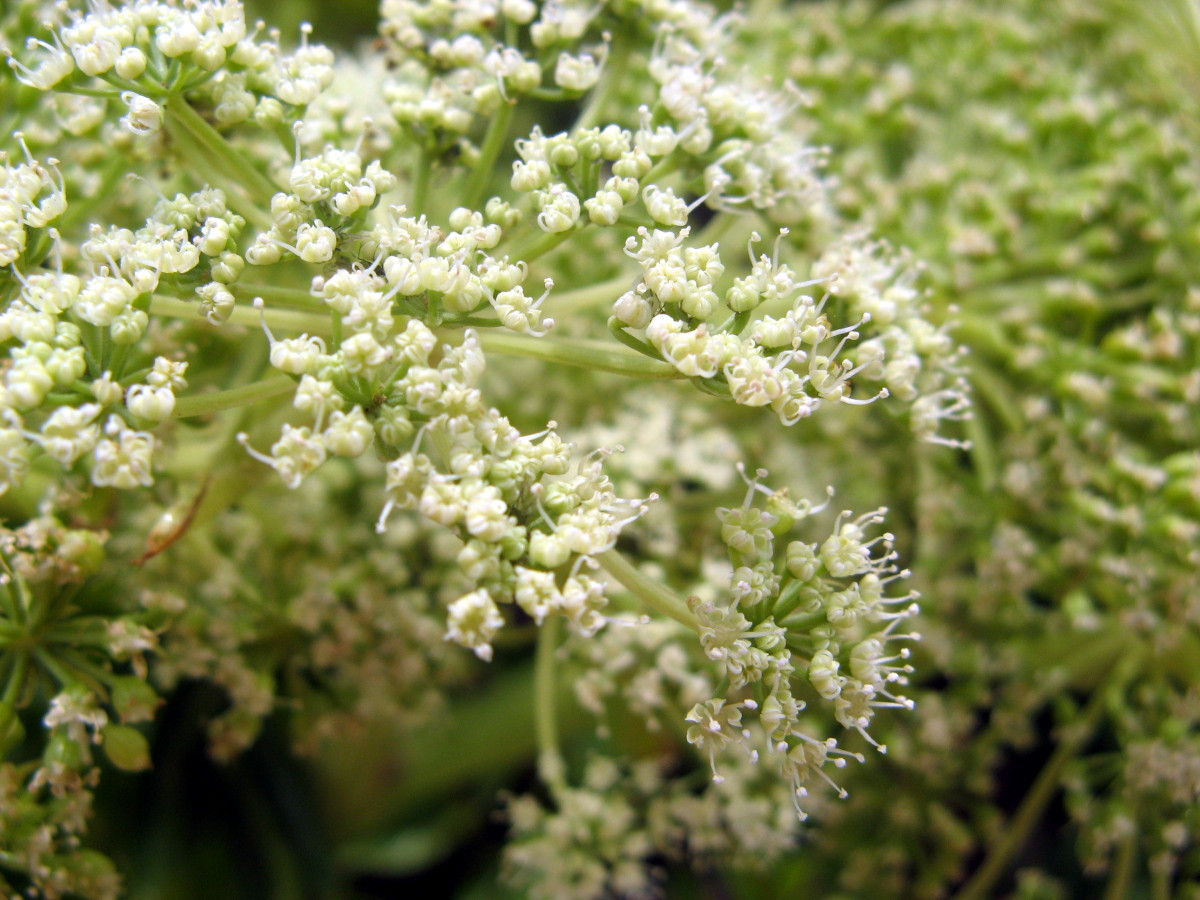
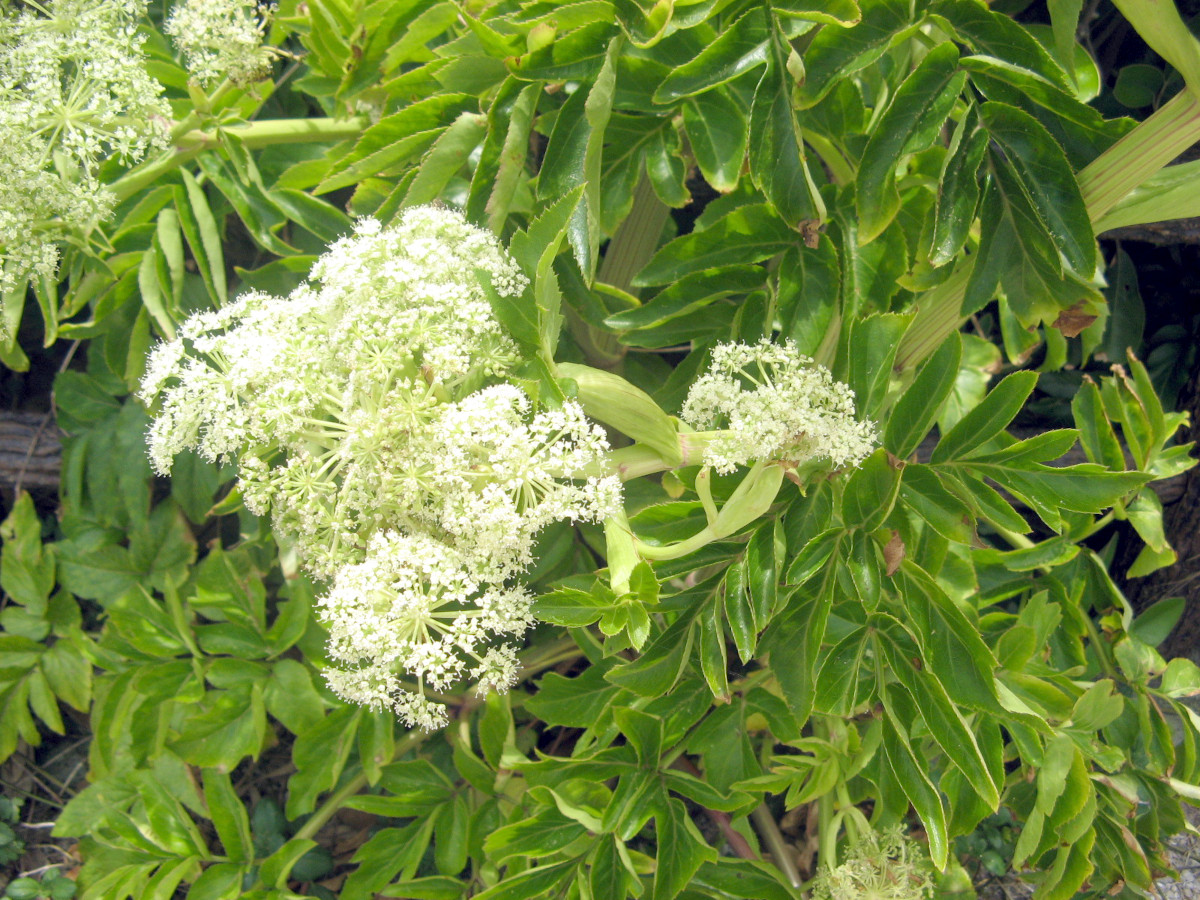
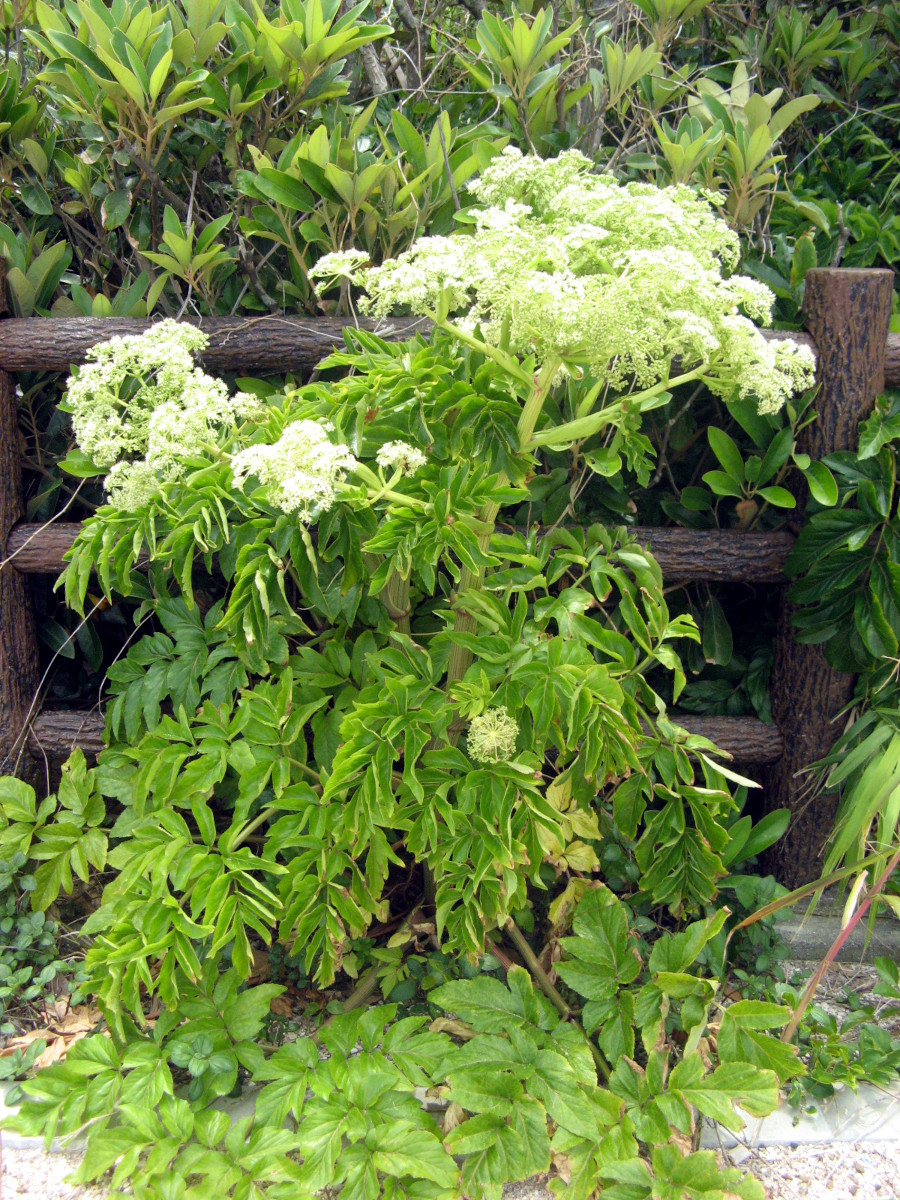
- Flower nameAngelica japonica
- Scientific nameAngelica japonica
- Alias浜独活
- Place of originnorthern hemisphere
- Place of floweringSeashore, Sub-alpine
- Flowering seasonMay, June, July, August, September
- Purposes
What is Angelica japonica
Hamaudo (scientific name: Angelica japonica) is a large perennial herb native to Japan and the Korean Peninsula, belonging to the genus Angelica in the Apiaceae family. It grows wild on sandy and rocky coastal areas from the Kanto region westward, as well as in Shikoku, Kyushu, and the Ryukyu Islands.
It grows to a height of 1–1.5 m. The stem is thick, erect, and marked with dark purple longitudinal stripes, branching profusely toward the top.
Although it resembles ashitaba, it is not edible.
Common name: Hamaudo (Beach Angelica),
Scientific name: Angelica japonica,
Other names: Oniudo, Kujiragusa
Classification: Apiaceae family, Angelica genus
Native to: Japan and the southern Korean Peninsula,
Distribution in Japan: West of the Kanto region, Shikoku, Kyushu, and the Ryukyu Islands,
Habitat: Sandy or rocky coastal areas and grasslands with good sunlight and exposure to sea breezes,
Life form: Large perennial herb
Plant height: 1–1.5 m; Stem: erect, thick, with dark purple longitudinal stripes; Stem: branches at the upper part;
Petiole base: swollen into a sheath;
Leaf texture: thick, glossy, and coarse; Leaf shape: 1-, 2-, or 3-pinnately compound; Leaf margin: finely serrated;
Inflorescence type: compound umbel; Inflorescence diameter: 10–20 cm,
Flower corolla: five-petaled, Flower color: white, Flowering season: April–June, Fragrance: attracts insects—flower flies, potted plants, swallowtail butterflies,
Fruit shape: flat fruit with broad wings.
The color of the sap exuded when the stem is cut ranges from colorless to pale yellowish-white,
Taste: strongly bitter
Similar plants: Ashitaba.
Related Pages
Hamaudo (Beach Angelica, Scientific name: Angelica japonica)


- OrderApiales

- FamilyApiaceae
- GenusAngelica
- SpeciesA. japonica
- Type of flowerLeft-right symmetrical flower
- Array of flowerScattered inflorescence/ umbrella shape
- Petal shapeFive-petal
- Leaf type3-fold compound leaf
- Edge of the leafSerrated
- Life typeperennial plant
- Flower colorsWhite
- Colors of the leavesGreen
- Fruit color
- Height100.0 ~ 200.0 cm
- Diameter of flower ~ cm