Perennial buckwheat
 Location: Kiba Park
- Location: Kiba Park
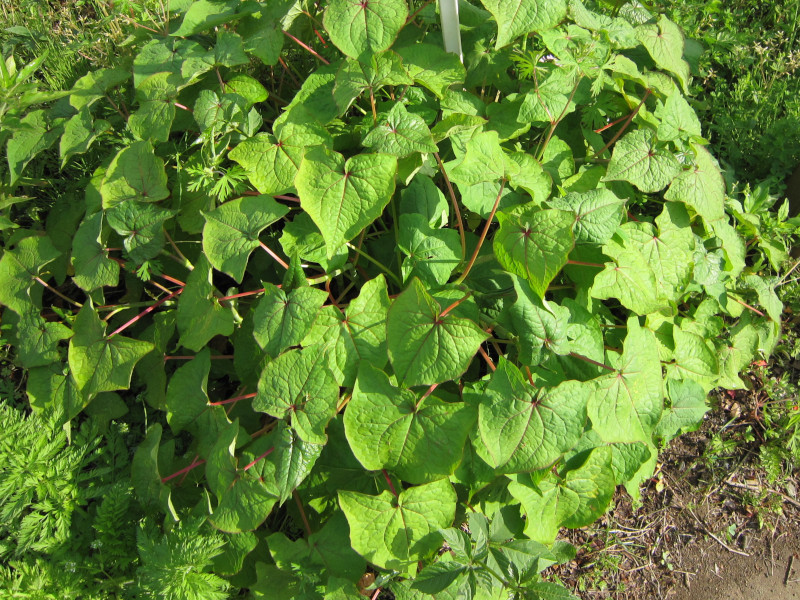

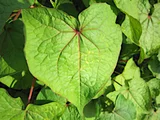
- Flower namePerennial buckwheat
- Scientific nameFagopyrum cymosum
- Aliasシュッコンソバ, Perennial buckwheat
- Place of originnorthern India and southern China
- Place of floweringFields and footpaths
- Flowering seasonSeptember, October, November
What is Perennial buckwheat
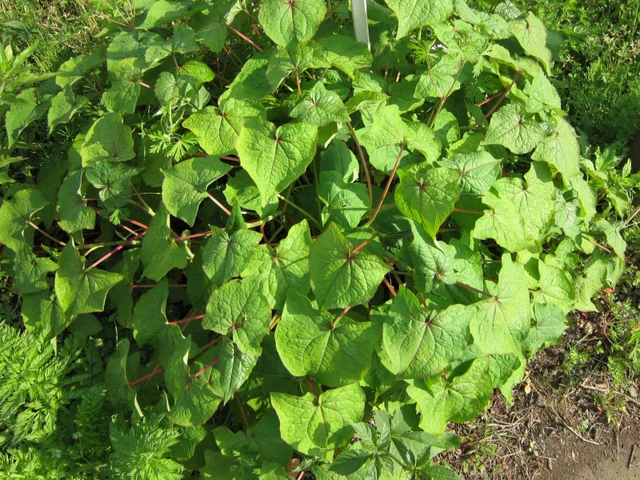
Perennial buckwheat (scientific name: Fagopyrum cymosum) is a naturalized perennial buckwheat plant of the family Polygonaceae, native to northern India and southern China. It grows wild in moist places such as riverbeds. The plant is 50-100 cm tall. It has triangular leaves that grow in alternate clusters and produces white flower-like sepals from September to November.
In China, the rhizome is used as an antifebrile and detoxifying herb called "shaku-chiri" or "teng-buckwheat root." The seeds are used as a grain, the leaves contain rutin, and the young leaves are eaten as a vegetable.
Flowers similar to buckwheat and dattan buckwheat
Although buckwheat (Soba, scientific name: Fagopyrum esculentum) and Dattan buckwheat are annuals, and buckwheat is a perennial, the flowers of both are similar.
Common name: Perennial buckwheat (scientific name: Fagopyrum cymosum, origin: northern India to southern China, living environment: riverbeds Flowering season: September to November, Flower color (calyx color): white, Use: medicinal.


- OrderCaryophyllales

- FamilyPolygonaceae
- GenusFagopyrum
- SpeciesF. cymosum
- Type of flowerRadial symmetrical flower
- Array of flowerGross inflorescence
- Petal shapewithout
- Leaf typetriangle
- Edge of the leafEntire
- Life typePerennial grass
- Flower colorsWhite
- Colors of the leavesGreen
- Fruit colorBrown
- Height50.0 ~ 100.0 cm
- Diameter of flower0.5 ~ 0.5 cm