Kamayama Shobu
 Location: Tokyo Metropolitan Medical Plant Garden
- Location: Tokyo Metropolitan Medical Plant Garden
- Location: Tokyo Metropolitan Medical Plant Garden
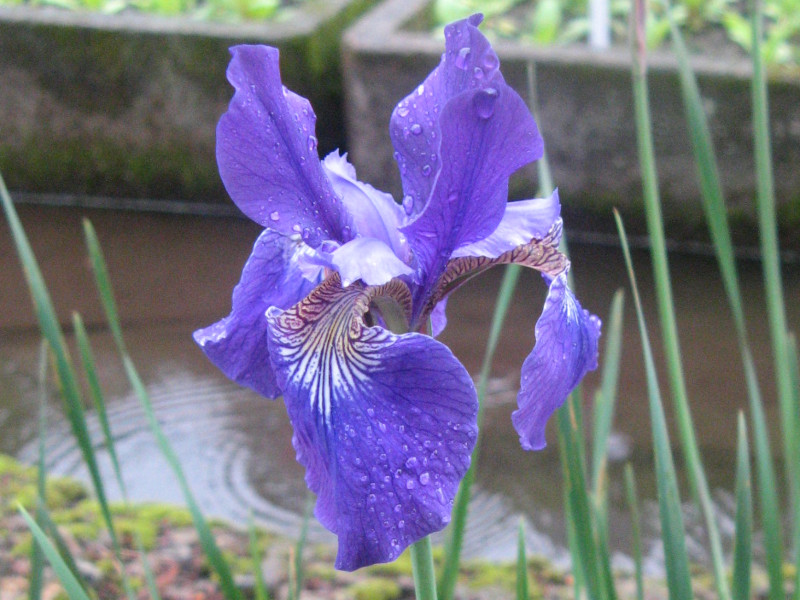
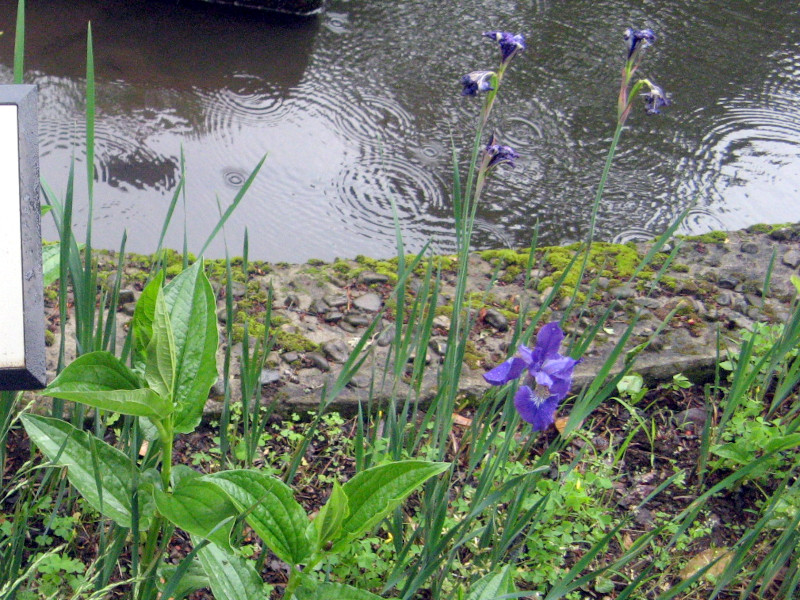

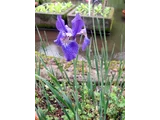
- Flower nameKamayama Shobu
- Scientific nameIris sanguinea var. violacea
- Alias蒲山菖蒲, Iris thnbergii 'Lundstrom'
- Place of originTurkey and Greece
- Place of floweringGarden, Wetlands
- Flowering seasonMay, June, July, August
What is Kamayama Shobu
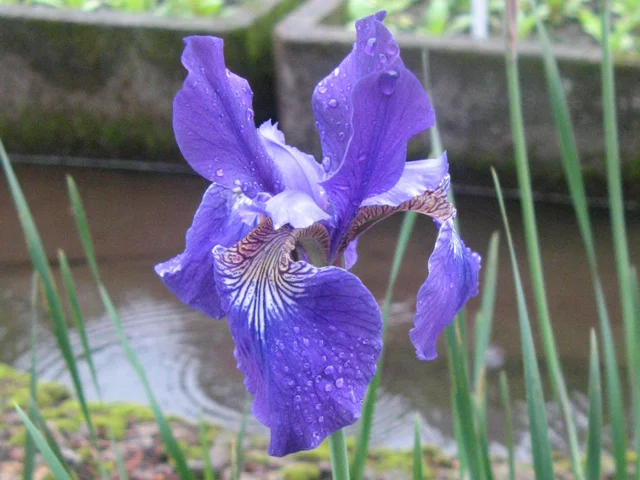
Kamayama Shobu (Iris sanguinea var. violacea, synonym: Iris thunbergii 'Lundstrom') is a perennial plant in the iris family (Iridaceae) native to the Korean Peninsula and northeastern China. Despite its name, it is not the same as the Japanese native Shobu (Iris ensata). It is also known as Iris sanguinea and Tsutsuji Ayame.
The plant grows to a height of 30-60 cm. The leaves are 30-60 cm long and 0.5-1 cm wide. From May to August, it produces purple iris-like flowers with a diameter of about 8 cm. It is commonly planted in gardens.
Differences between Kamayama Shobu and Ayame
Kamayama Shobu and Ayame (Iris ensata) are similar. Here are the differences:
The leaves of Kamayama Shobu are narrower (thinner) than those of Ayame.
Kamayama Shobu blooms at a higher position than its leaves, whereas Ayame blooms at the same height or lower than its leaves.
The leaves of Kamayama Shobu are slightly twisted, while the leaves of Ayame are not twisted.
Common Name: Kamayama Shobu (蒲山菖蒲)
Scientific Name: Iris sanguinea var. violacea
Synonym: Iris thunbergii 'Lundstrom'
Also Known As: Iris sanguinea, Tsutsuji Ayame
Classification: Plantae, Angiosperms, Monocots, Asparagales, Iridaceae, Iris, Iris sanguinea var. violacea
Height: 30-60 cm
Leaf Length: 30-60 cm
Leaf Width: 0.5-1 cm
Flowering Period: May to August
Flower Diameter: 8 cm
Flower Color: Purple
Uses: Garden planting


- OrderAsparagales

- FamilyIridaceae
- GenusIris
- SpeciesI. sanguinea var. violacea
- Type of flowerLeft-right symmetrical flower
- Array of flowerMonopetal inflorescence
- Petal shapeIris-shaped
- Leaf typesword-shaped
- Edge of the leafEntire
- Life typeperennial plant
- Flower colorsPurple
- Colors of the leavesGreen
- Fruit color
- Height30.0 ~ 60.0 cm
- Diameter of flower8.0 ~ 8.0 cm