Macleaya cordata
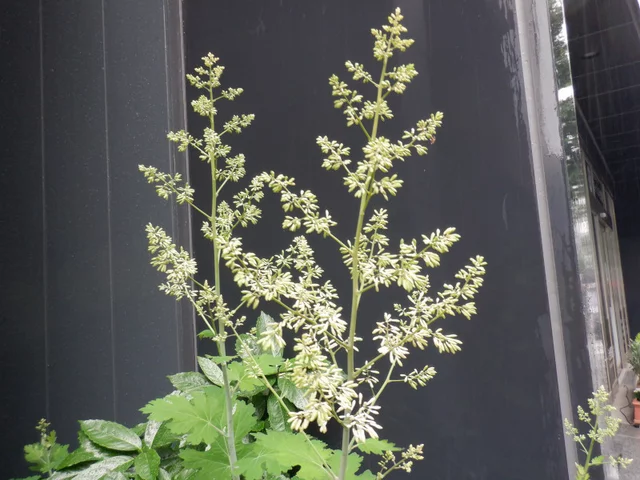 Location: Kojimachi
- Location: Hanzomon
- Location: Hanzomon
- Location: Kojimachi
- Location: Jogasaki coast
- Location: Jogasaki coast
- Location: Kojimachi
- Location: Jogasaki coast
- Location: Jogasaki coast
- Location: Jogasaki coast
- Location: Hanzomon
- Location: Jogasaki coast
- Location: Kojimachi
- Location: Hanzomon
- Location: Kojimachi
- Location: Nishiaidu
- Location: Nishiaidu
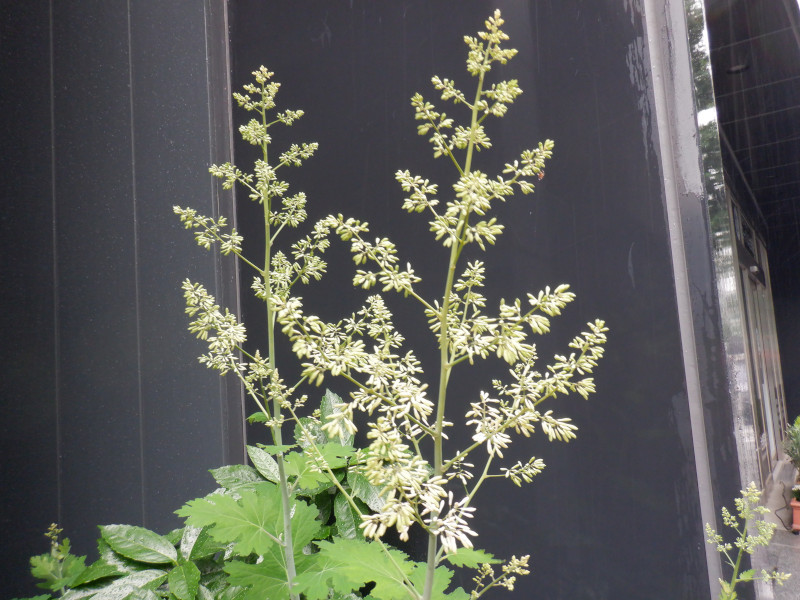







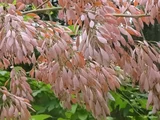
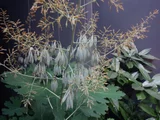
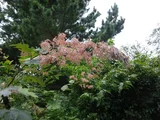
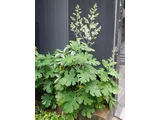
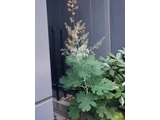
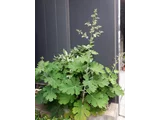
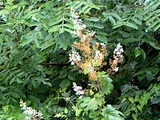
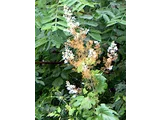
- Flower nameMacleaya cordata
- Scientific nameMacleaya cordata
- Aliasササヤキグサ, 竹似草, five-seeded plume-poppy, Macleaya cordata
- Place of originJapan and other East Asia
- Place of floweringFields and footpaths
- Flowering seasonJune, July, August
What is Macleaya cordata
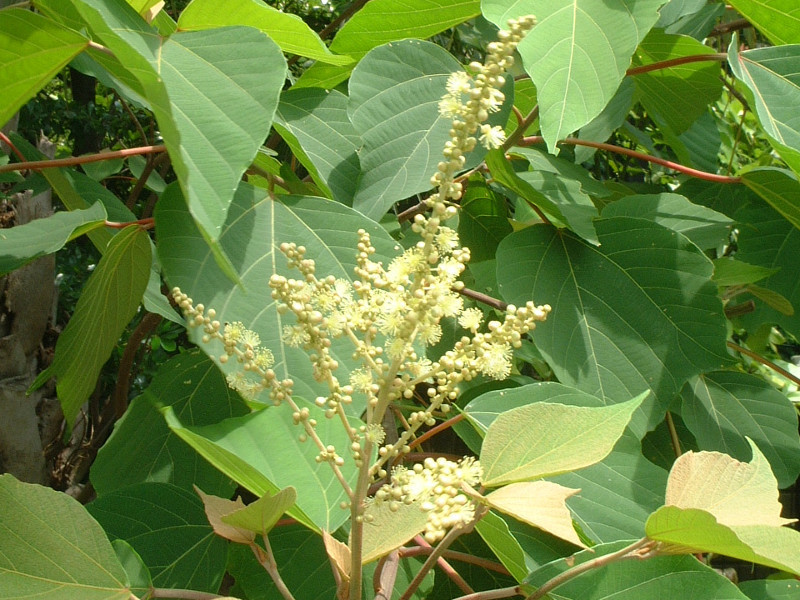
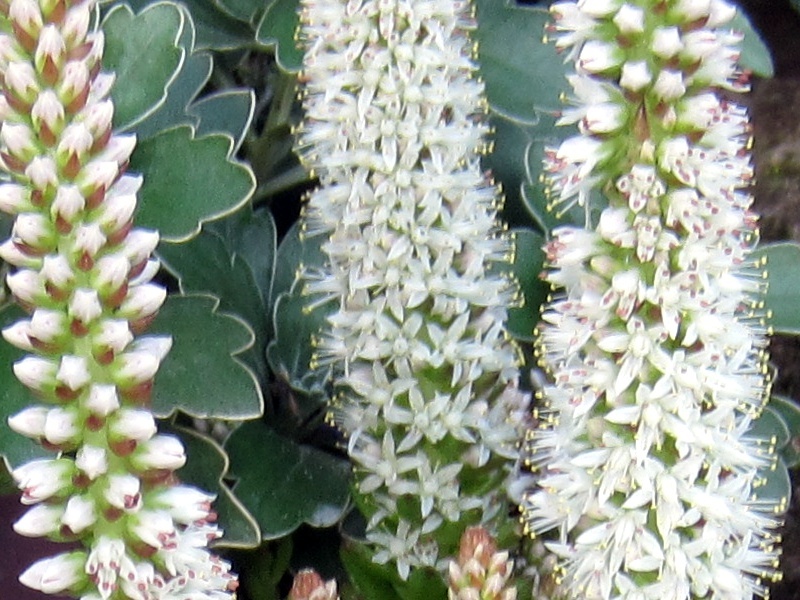
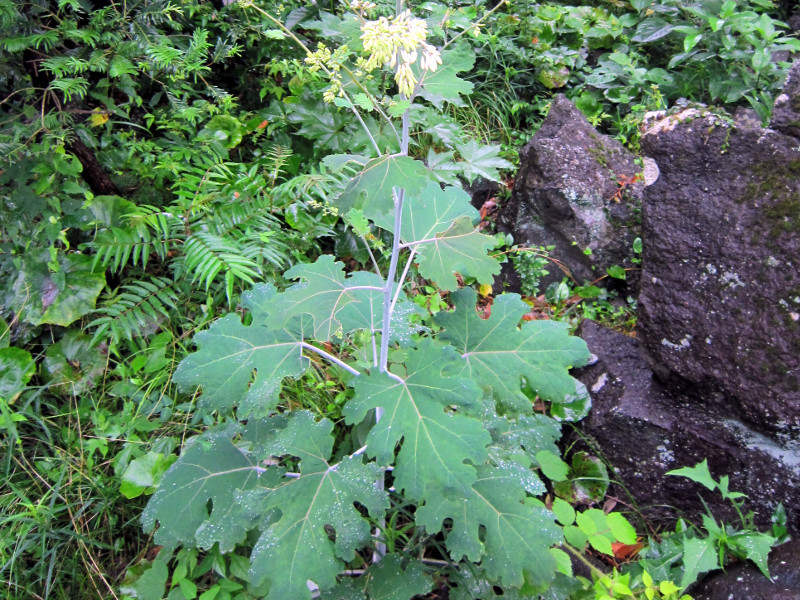
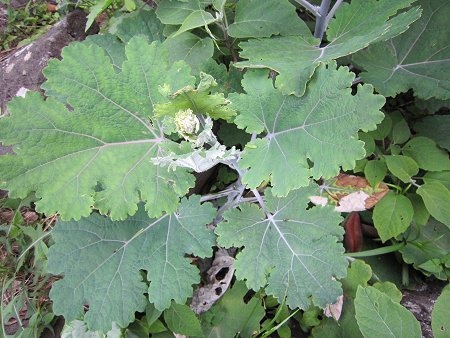
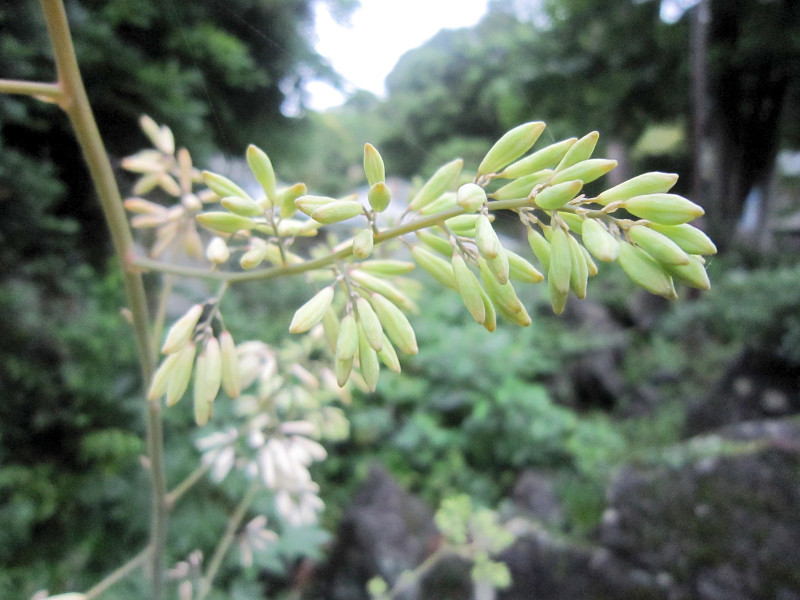
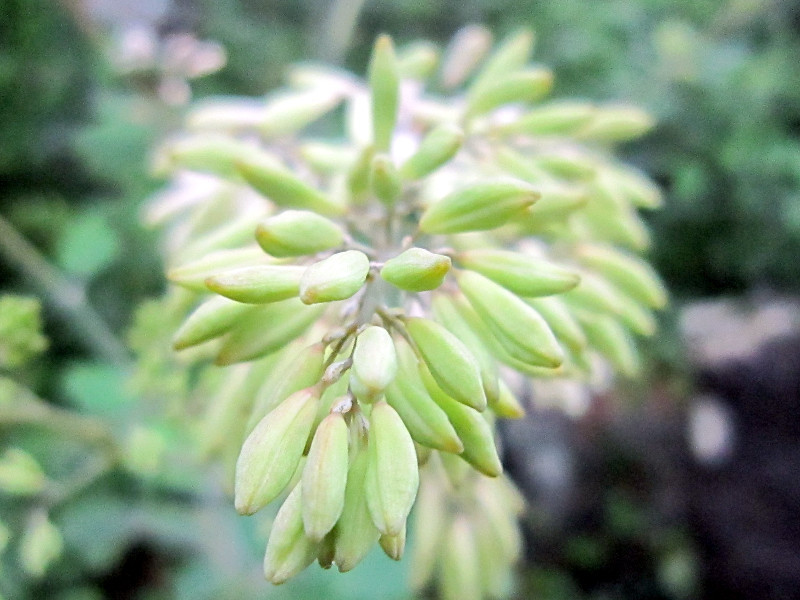
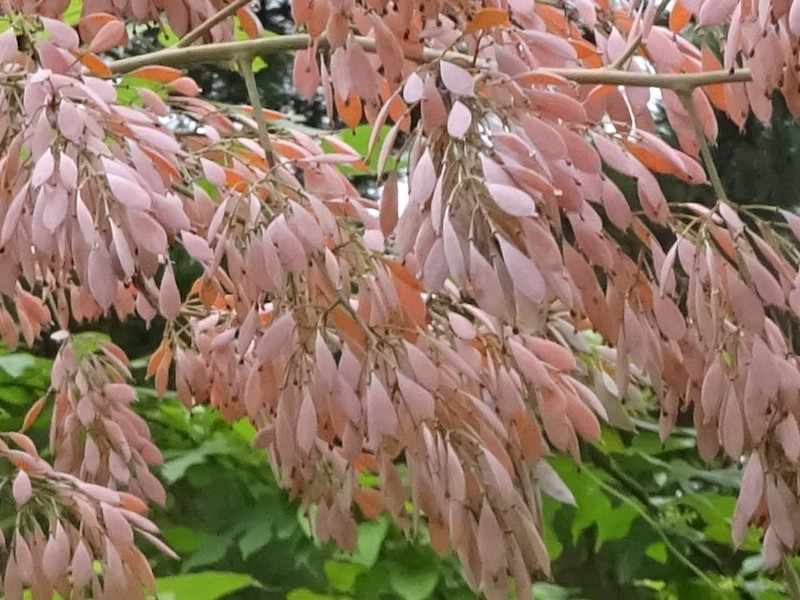
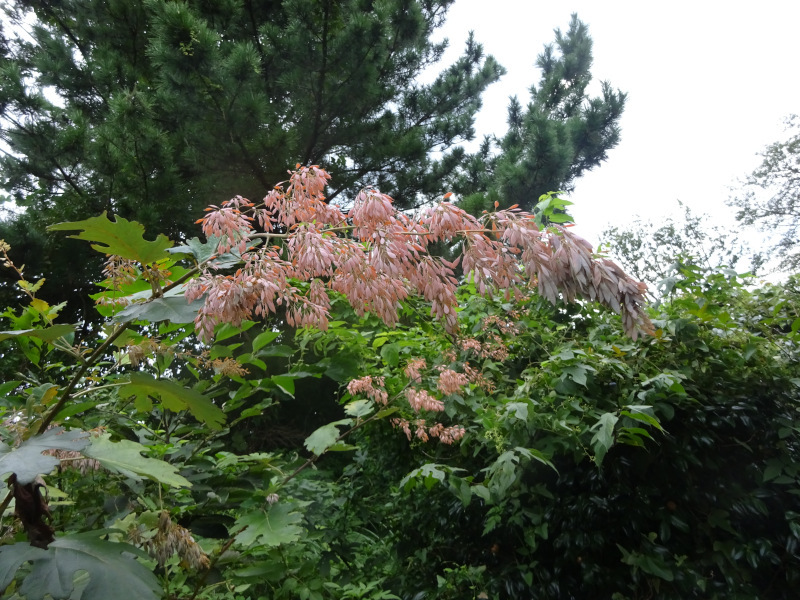
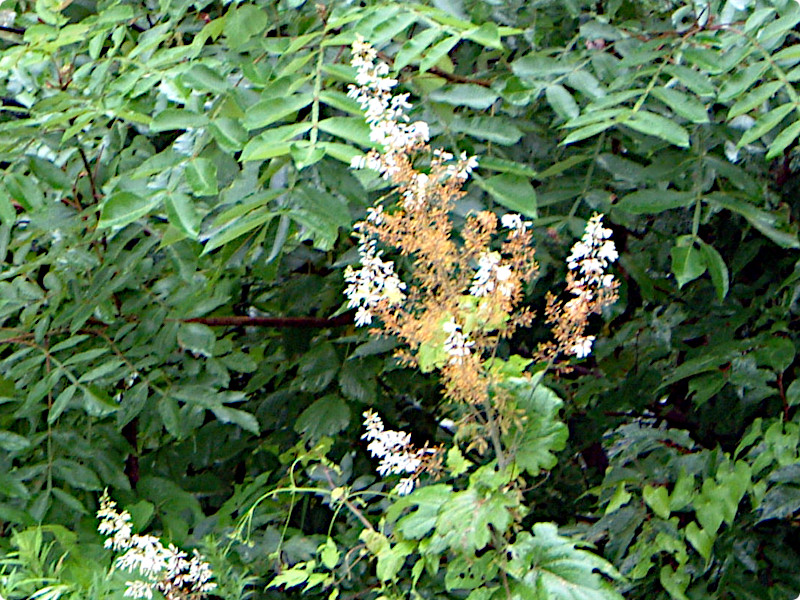
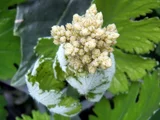
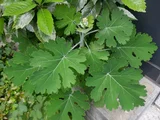
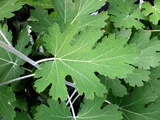
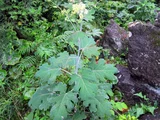
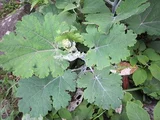
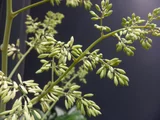
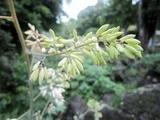
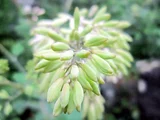
Macleaya cordata or five-seeded plume-poppy (scientific name: Macleaya cordata) is a large perennial wildflower in the family Papaveraceae native to Japan and other East Asia. It is a pioneer plant that grows wild in sunny areas from Honshu to Kyushu in Japan. It is known as a plant which grows to a height of 100 to 200 cm. The leaves are broadly ovate and have a slit in the leaf margin. In summer, it produces large conical inflorescences with white, millet-shaped flowers at the tips of the stems. The yellow juice that comes out when the stem is broken off is made up of protoanemonin and protopin (protopine) etc. and is toxic.
Common name: Macleaya cordata, scientific name: Macleaya cordata, also known as : five-seeded plume-poppy, place of origin: Japan, etc. East Asia, Distribution: Honshu-Kyushu, Japan, Environment: sunny location, Life type: large perennial wildflowers, grass height: 100-200 cm, Stem status: Hollow,Leaf shape: broadly oval oak leaf, Leaf margin: slit, Petiole: with long petiole, Phloem: alternate, inflorescence: conical, petal color: white; corolla: without petals; calyx: 2 Flowering time: June to August; fruit shape: oval; fruit length: 2 cm; Note: Pioneer plant.


- OrderRanunculales

- FamilyPapaveraceae
- GenusMacleaya
- SpeciesM. cordata
- Type of flowerRadial symmetrical flower
- Array of flowerCone / Compound inflorescence
- Petal shapewithout
- Leaf typePalm shape
- Edge of the leafToothed
- Life typelarge perennial wildflower
- Flower colorsWhite
- Colors of the leavesGreen
- Fruit colorGreen
- Height100.0 ~ 200.0 cm
- Diameter of flower0.3 ~ 0.3 cm