Japanese Yew
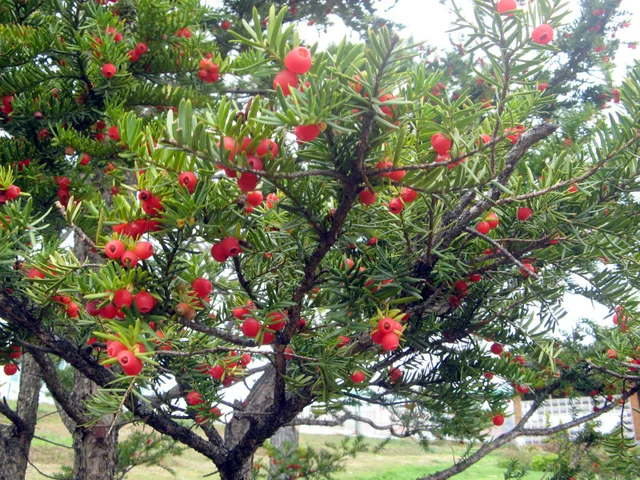 Location: Hokkaido
- Location: Nikko Botanical Garden
- Location: Kanagawa pref.
- Location: Nikko Botanical Garden
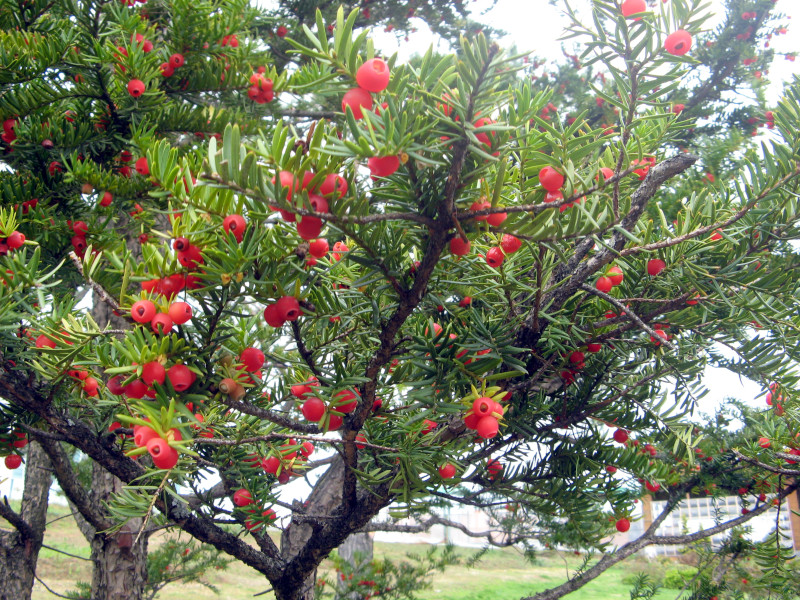
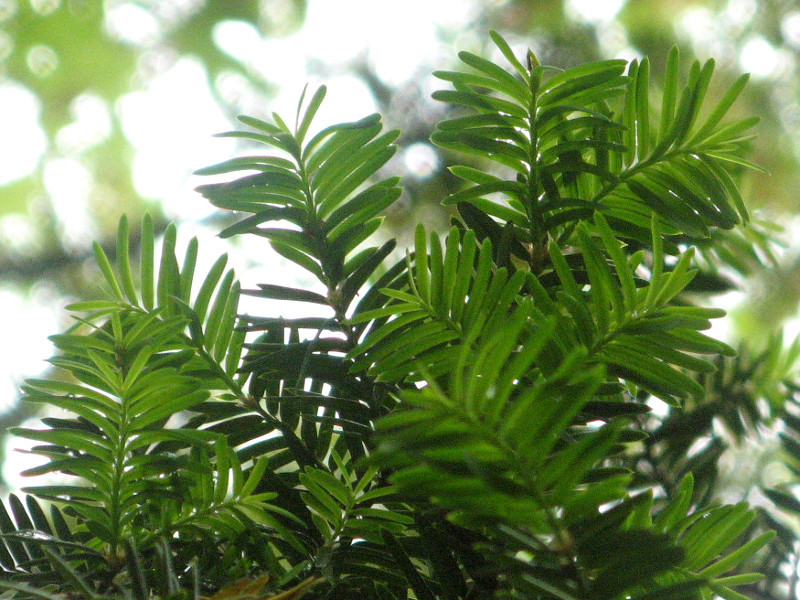

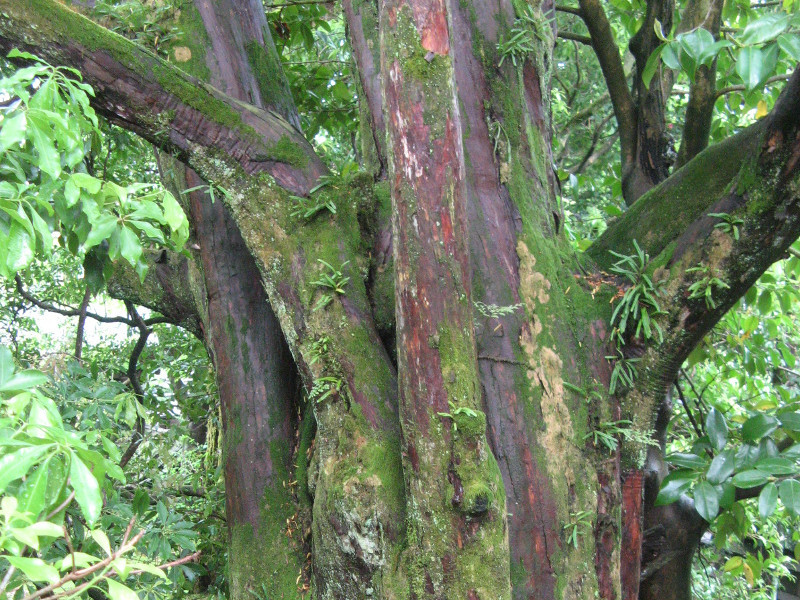
- Flower nameJapanese Yew
- Scientific nameTaxus cuspidata
- Aliasアララギ, シャクノキ, Japanese Yew, Yew, 一位, オンコ
- Place of originJapan
- Place of floweringCemetery & Temple
- Flowering seasonMarch, April
What is Japanese Yew
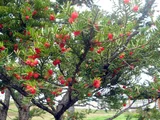
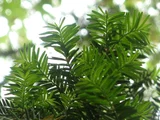
Taxus cuspidata (scientific name: Taxus cuspidata) is a cold- and negative-resistant evergreen coniferous tree of the family Taxaceae. It is a hermaphroditic gymnosperm that makes a quiet flower bloom in spring. Male flowers are flesh-colored (light yellow) and female flowers are green. The leaves are alternating, linear, without saw teeth and radiate on the branches. After the flower, a fruit with an open top is formed, and the seeds inside are visible. The red flesh around the seed is a temporary seed coat that ripens red around October. Applications are garden trees and fences.
The same family belongs to this variant, there is a Dwarf Japanese yew (scientific name:Taxus cuspidata var. nana) .
Common name: Taxus cuspidata , scientific name:Taxus cuspidata, aka: the Japanese yew, spreading yew, tree height: 15-20 m, leaf length: 0.5-2 cm, phyllotaxis: alternate, leaf margin: entire, leaf shape: linear, male flower color: pale yellow, female flower color: green, flowering: March to April, seed shape: spherical.


- OrderTaxales

- FamilyTaxaceae
- GenusTaxus
- SpeciesT. cuspidata
- Type of flowerOther
- Array of flowerOther
- Petal shapewithout
- Leaf typeLinear
- Edge of the leafEntire
- Life typeCold-resistant and tolerant to shade evergreen tree
- Flower colorsGreen Cream
- Colors of the leavesGreen
- Fruit colorRed
- Height1500.0 ~ 2000.0 cm
- Diameter of flower0.3 ~ 0.5 cm