Viburnum dilatatum
 Location: Copilot
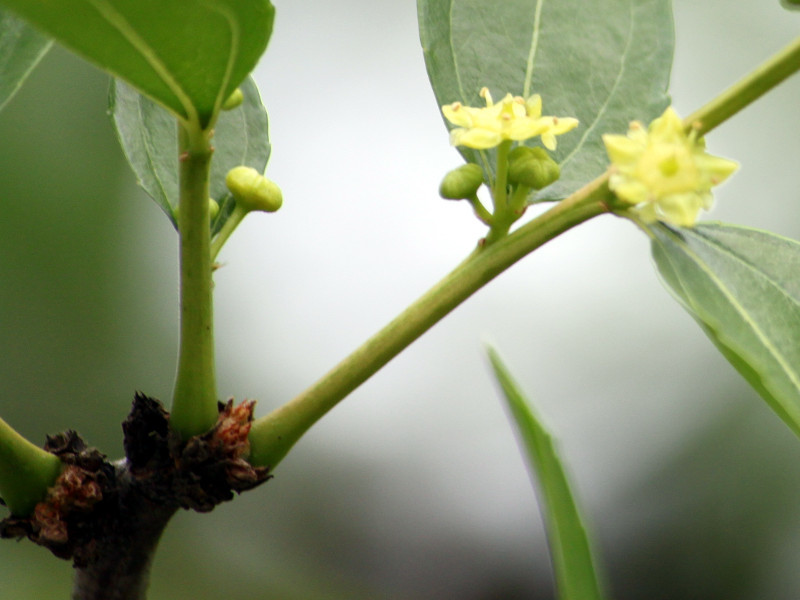
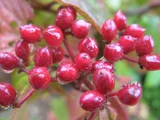
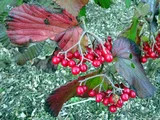
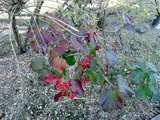
- Location: Okuhida Hirayu Otaki Park
- Location: Izu oshima
- Location: Izu oshima
- Location: Okuhida Hirayu Otaki Park
- Location: Koishikawa Botanical Garden
- Location: Koishikawa Botanical Garden

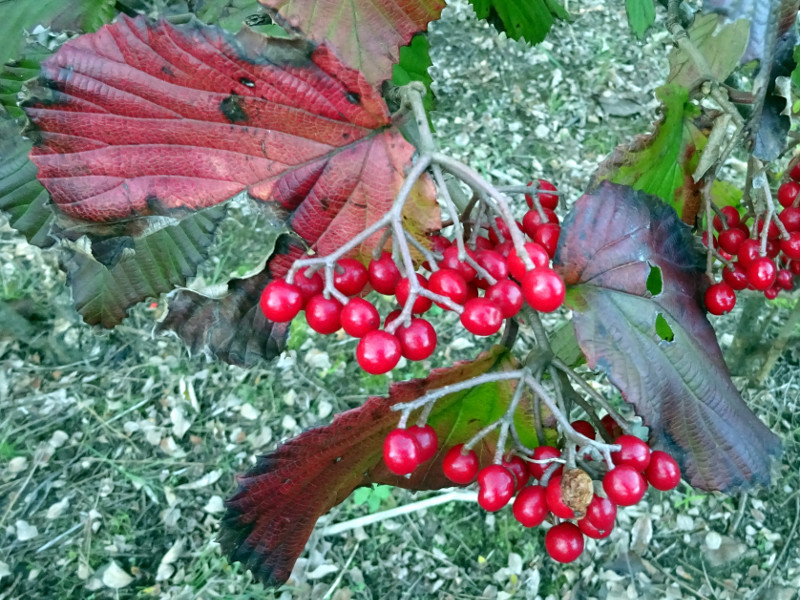

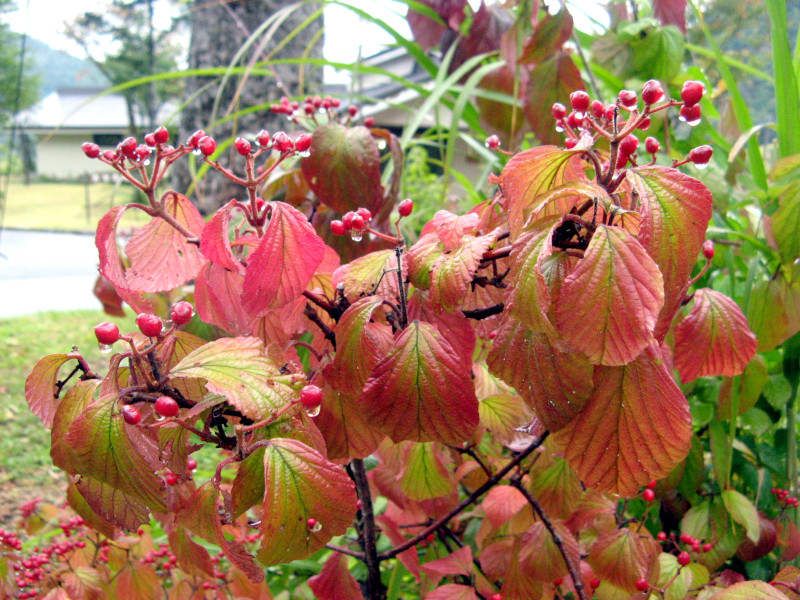
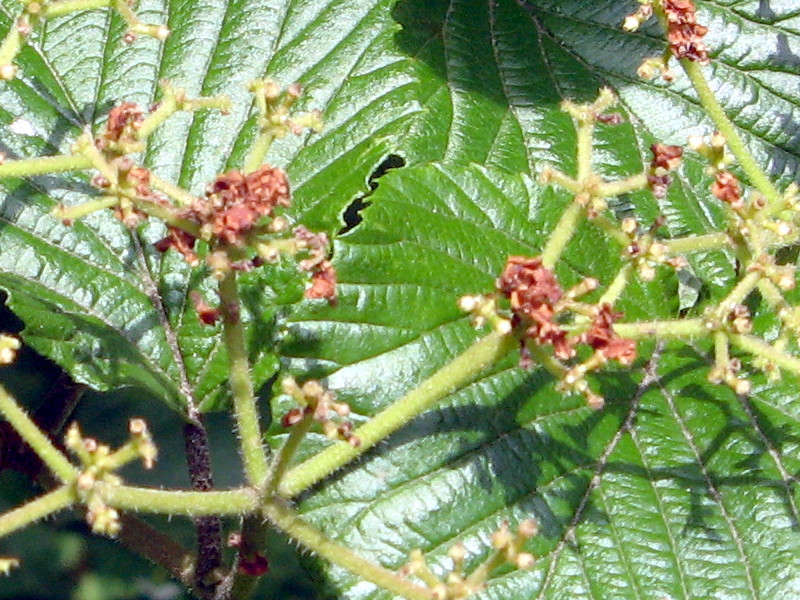
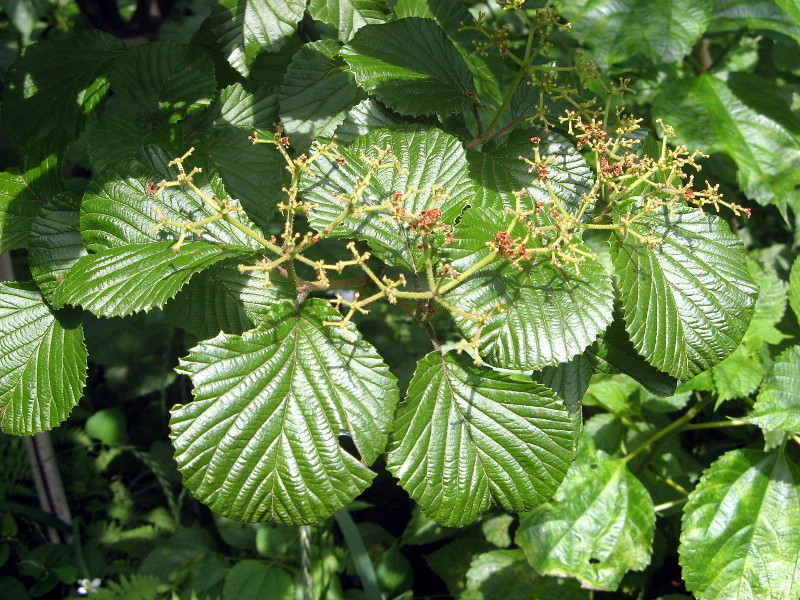
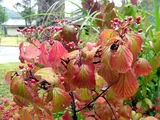
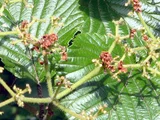

- Flower nameViburnum dilatatum
- Scientific nameViburnum dilatatum
- AliasViburnum dilatatum, Viburnum, 蒲染, がまずみ, Cranberry tree, Japanese bush cranberry, Linden viburnum, Gamazumi, 莢蒾
- Place of originJapan, the Korean Peninsula and China
- Place of floweringGarden, Botanical Gardens, Low mountains
- Flowering seasonMay, June
What is Viburnum dilatatum
The birth flowers for November 24th are Linden Viburnum (Japanese name: Gamazumi, Scientific name: Viburnum dilatatum) and Peperomia.
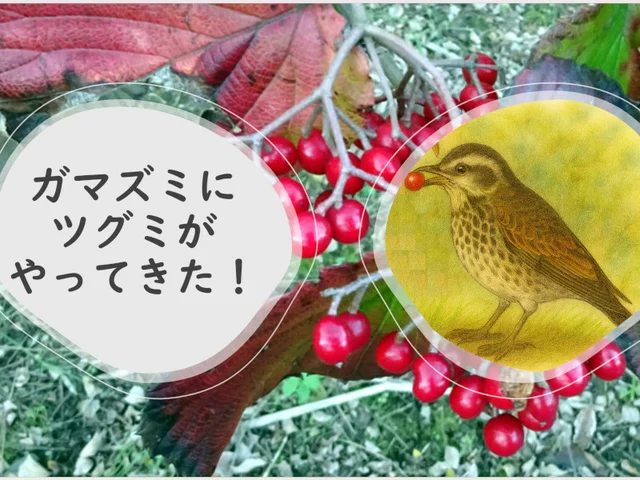
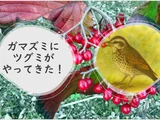
From autumn to winter, wild birds such as the Dusky Thrush (Tsugumi), which have just migrated from Siberia, come to eat the fruit of the Linden Viburnum. When ripe, the berries can be eaten raw by humans or used to make fruit wine (although I personally have never tried them). By the way, Dusky Thrushes are highly omnivorous, as they walk on the ground in winter foraging for earthworms and insects.
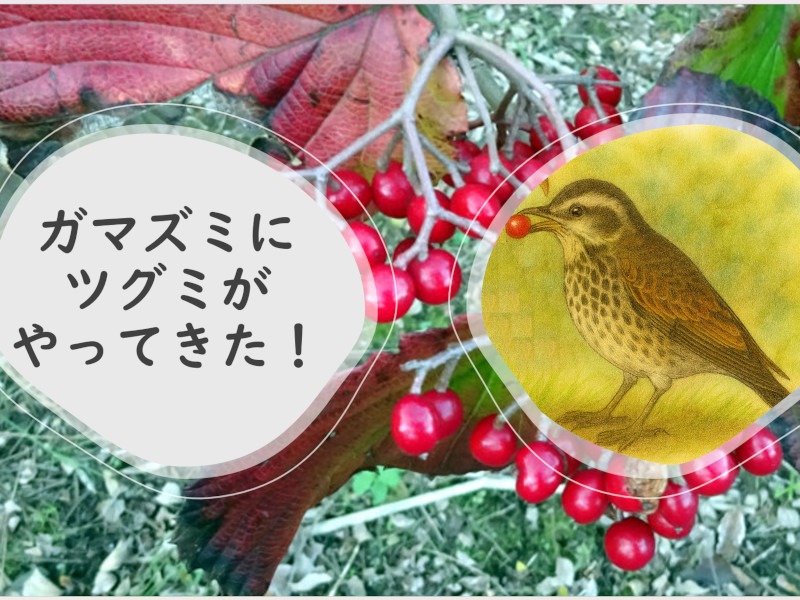
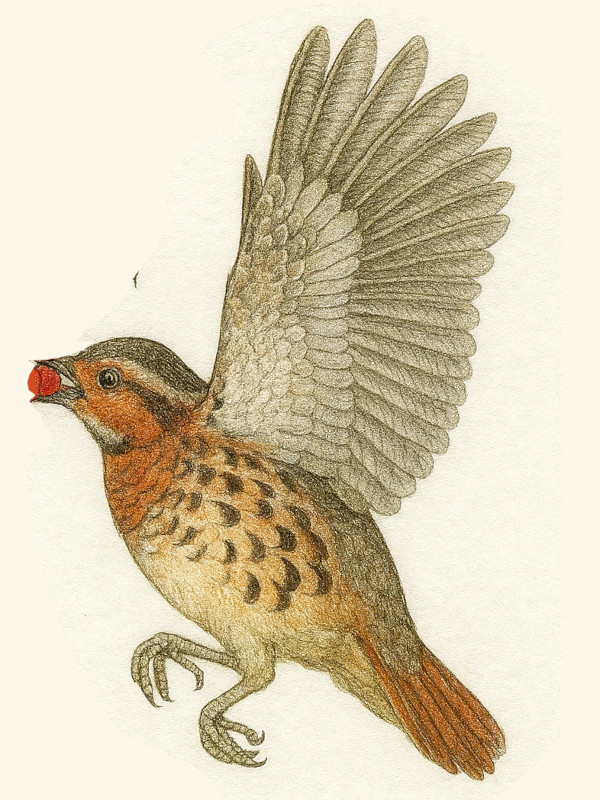
A Dusky Thrush holding a red berry of the Linden Viburnum, and a flying Dusky Thrush. Illustration by Copilot.
What is Linden Viburnum (Gamazumi)?
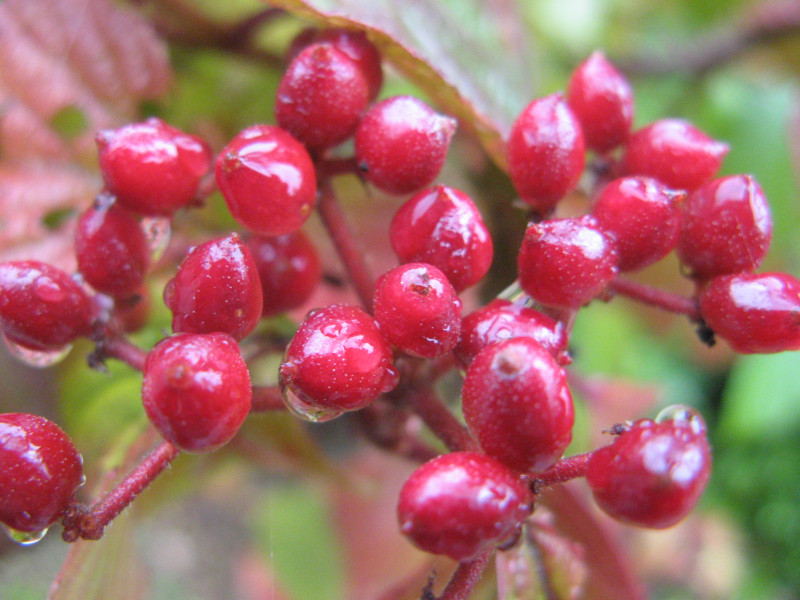
Linden Viburnum (Viburnum dilatatum) is a cold-hardy deciduous broad-leaved shrub in the Adoxaceae family (genus Viburnum), native to Japan, the Korean Peninsula, and China. In Japan, it grows naturally on sunny forest edges in mountains and fields from southwestern Hokkaido to Honshu, Shikoku, and Kyushu. It is also known by its scientific name Viburnum, or English names such as Cranberry tree and Japanese bush cranberry. In Chinese, it is called "Jiamumi" (莢蒾). The tree height ranges from 300 to 500 cm. The leaves, attached to long petioles, are deep green, broadly ovate (5–15 cm long), and have a characteristic wrinkled surface with shallow serrated edges. They grow opposite each other on the branches.Uses: The tree is used for potted plants and garden planting; the branches for woodworking; and the leaves for dried flowers. The fruit is used for juice, fruit wine, flower arrangement (Ikebana), cut flowers, bird feed, food/clothing dye, and as a medicinal herb (for fatigue recovery and nutritional fortification). Ripe berries can be eaten raw.
White Flowers in Spring, Red Berries in Autumn
From May to June, it extends corymbs and opens vermilion buds to bloom fragrant, trumpet-shaped white flowers with five-lobed tips in clusters. The individual flowers are 0.5–0.8 cm in diameter, and the flower clusters are about 5–10 cm across. In autumn, the leaves turn red, and small red egg-shaped berries are produced.Origin of the Japanese Name
There are various theories regarding the origin of the Japanese name "Gamazumi." One is that it is a corruption of "Kamisumi" (chewing sour fruit) because the berries are sour when chewed. Another is "Kamasumi," meaning the wood is hard enough to be used for a sickle (Kama) handle and the fruit is sour (Sumi).Flower Language of Linden Viburnum
The flower language is "Union" or "Bond," derived from the way the small flowers bloom closely together as if snuggling up to one another.
Wild Birds Attracted to the Fruit
Wild birds that come to eat the red berries include the Dusky Thrush (Tsugumi), Daurian Redstart (Jobitaki), Brown-eared Bulbul (Hiyodori), Pheasant (Kiji), Oriental Turtle Dove (Kijibato), Chinese Bamboo Partridge (Kojukei), Japanese White-eye (Mejiro - also likes flower nectar), Azure-winged Magpie (Onaga), Japanese Green Woodpecker (Aogera), and Copper Pheasant (Yamadori).
Pests
Viburnum leaf beetle (Pyrrhalta viburni).Man'yoshu, Book 7, Poem 1344
Author: Unknown Original Text: 真鳥住 卯名手之神社之 菅根乎 衣尓書付 令服兒欲得 Reading: Matorisumu Unate-no-yashiro-no Sugane-o Koromo-ni-kakitsuke Kisesuru-ko-mogamo Meaning: I wish I had a girl who would dye my robe with the roots of the Suga (Gamazumi) from the Unate Shrine where the eagle lives.Dr. Tomitaro Makino's Theory
Dr. Tomitaro Makino (the father of Japanese botany) stated that the "Sugane" (Suga root) mentioned in the Man'yoshu poem above is correctly read "Suganomi" and refers to the fruit of the Gamazumi. He argued that since the fruit of Viburnum wrightii (Miyama-gamazumi) was used as a clothing dye in ancient times, the "zumi" in "Gamazumi" might be a corruption of "some" (dyeing).General Name: Linden Viburnum (Japanese: Gamazumi)
Scientific Name: Viburnum dilatatum
Classification: Kingdom Plantae, Angiosperms, Eudicots, Dipsacales, Adoxaceae, Viburnum Other Names: Viburnum, Linden viburnum, Cranberry tree, Japanese bush cranberry, 莢蒾 (Chinese name)
Origin: Japan, Korean Peninsula, China Habitat: Southwestern Hokkaido to Honshu, Shikoku, Kyushu Distribution: Mountains and fields Environment: Sunny forest edges
Tree Height: 300–500 cm Bark Color: Grayish-brown and smooth Life Form: Deciduous broad-leaved shrub Petiole Length: Long (1–3 cm) Stipules: Absent Leaf Color: Deep green -> Red (autumn foliage) Leaf Shape: Broadly ovate with pointed tip and wedge-shaped base Leaf Size: 5–15 cm long, 3–13 cm wide Leaf Margin: Shallowly serrated Phyllotaxy: Opposite
Flowering Period: May–June (Bisexual flowers) Inflorescence: Corymb Flower Shape: Trumpet-shaped with 5 deep lobes Flower Size: 0.5–0.8 cm (corolla diameter) Flower Color: White Inflorescence Diameter: 5–10 cm Stamens: 5, protruding from the corolla
Fruit Viewing Period: September–November Fruit Type: Drupe Fruit Shape: Ovoid Fruit Color: Red Fruit Diameter: 0.7 cm
Uses: Potted plants, garden trees, medicinal use, dried flowers (leaves), fruit for medicine, flower arrangement, bird feed.
■ Related Pages
ガマズミ(蒲染、学名:Viburnum dilatatum)
Linden Viburnum (Viburnum dilatatum)
荚蒾(Gamazumi,学名:Viburnum dilatatum)
November Birth Flowers
ガマズミ(蒲染、学名:Viburnum dilatatum)
#Kagiken #FlowerEncyclopedia #STI


- OrderDipsacales

- FamilyAdoxaceae
- GenusViburnum
- SpeciesV. dilatatum
- Type of flowerRadial symmetrical flower
- Array of flowerCorymbose inflorescence
- Petal shapeFunnel/trumpet shaped
- Leaf typeovoid
- Edge of the leafSerrated
- Life type cold-resistant evergreen shrub
- Flower colorsWhite
- Colors of the leavesRed Green
- Fruit colorRed
- Height300.0 ~ 500.0 cm
- Diameter of flower0.5 ~ 0.8 cm