Gerbera
The birth flower for October 24, October 12, February 11th's birth flower
 Location: Ashikaga Flower Park
- Location: Kiba Park
- Location: Kagiken
- Location: Kagiken
- Location: Kagiken
- Location: Kagiken
- Location: Hamanako Garden Park(Pacific Flora 2004)
- Location: Hamanako Garden Park(Pacific Flora 2004)
- Location: Hamanako Garden Park(Pacific Flora 2004)
- Location: Aqua
- Location: Hamanako Garden Park(Pacific Flora 2004)
- Location: Ashikaga Flower Park
- Location: Kagiken
- Location: Kagiken
- Location: Kagiken
- Location: Ashikaga Flower Park
- Location: SA
- Location: Hamanako Garden Park(Pacific Flora 2004)
- Location: Hamanako Garden Park(Pacific Flora 2004)
- Location: Hamanako Garden Park(Pacific Flora 2004)


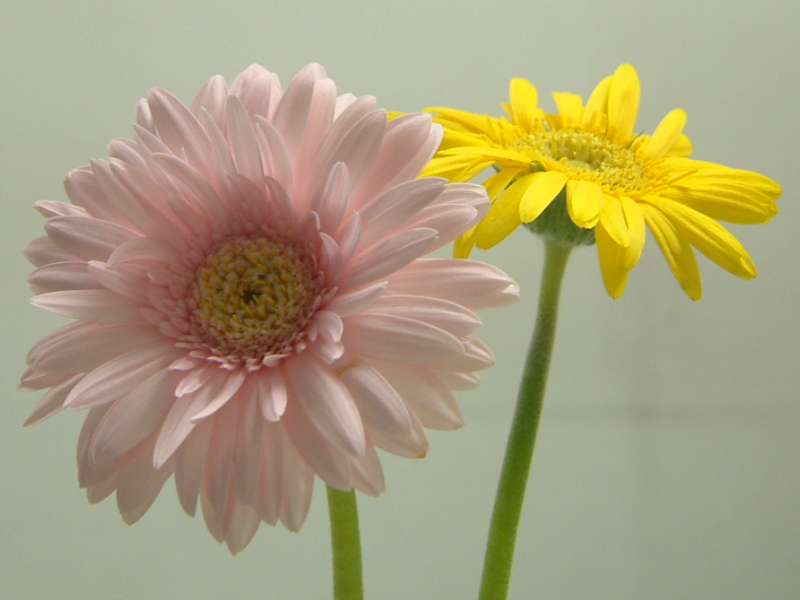
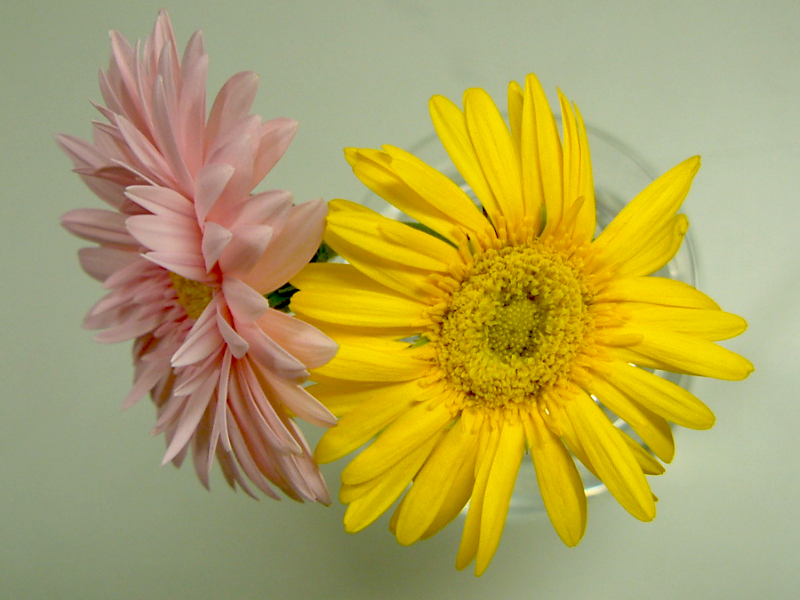
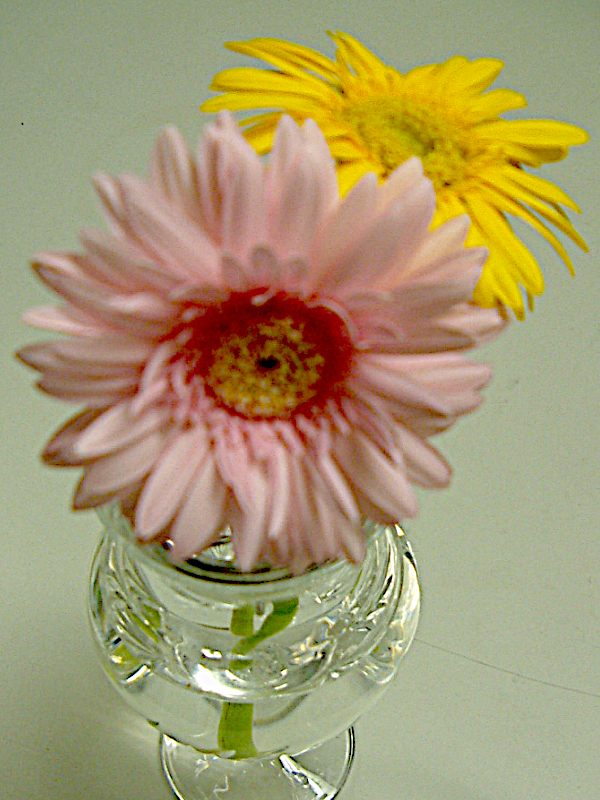
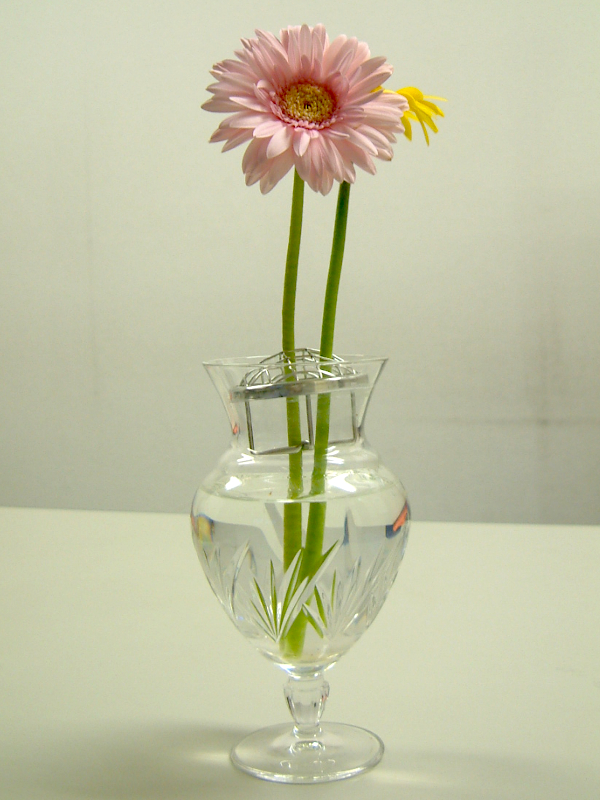
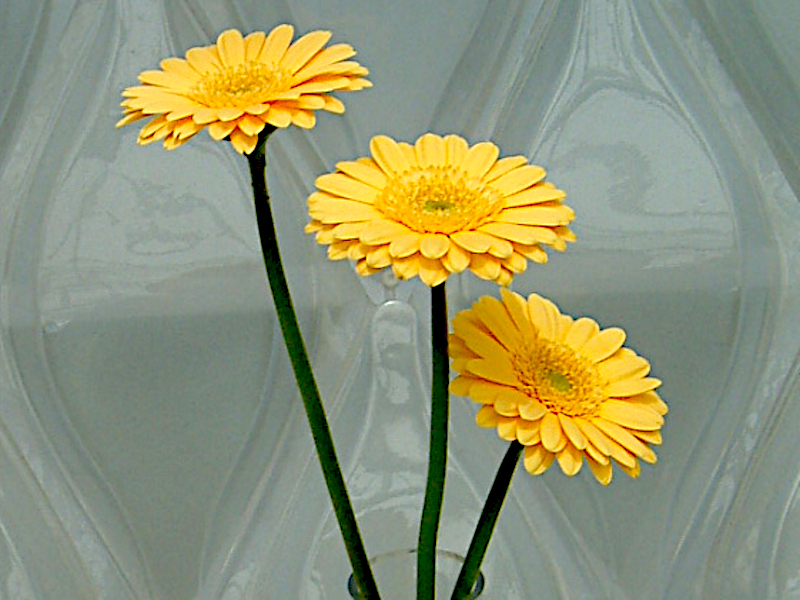
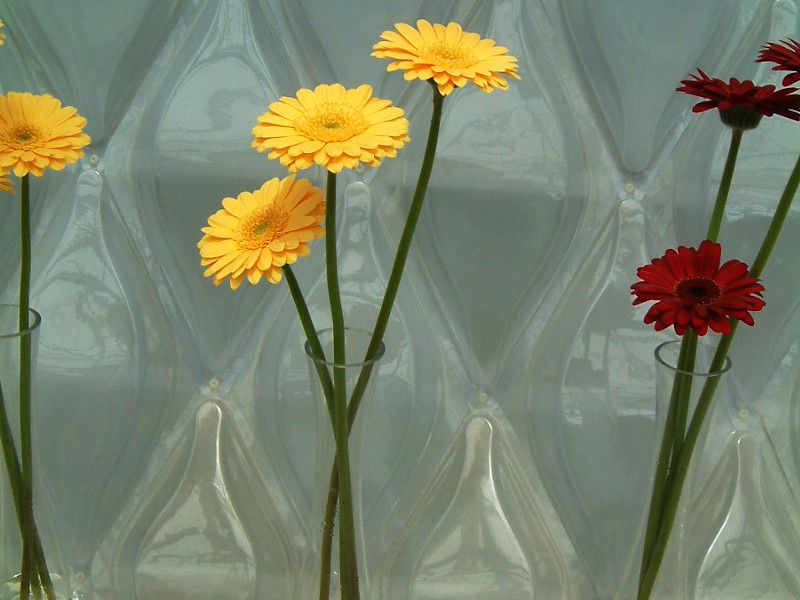


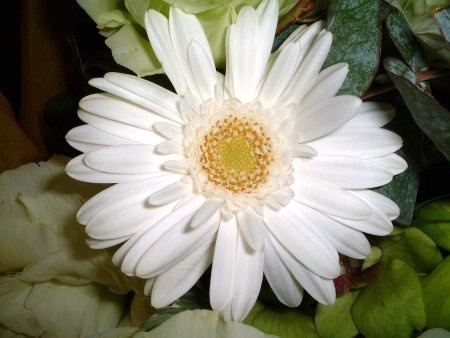


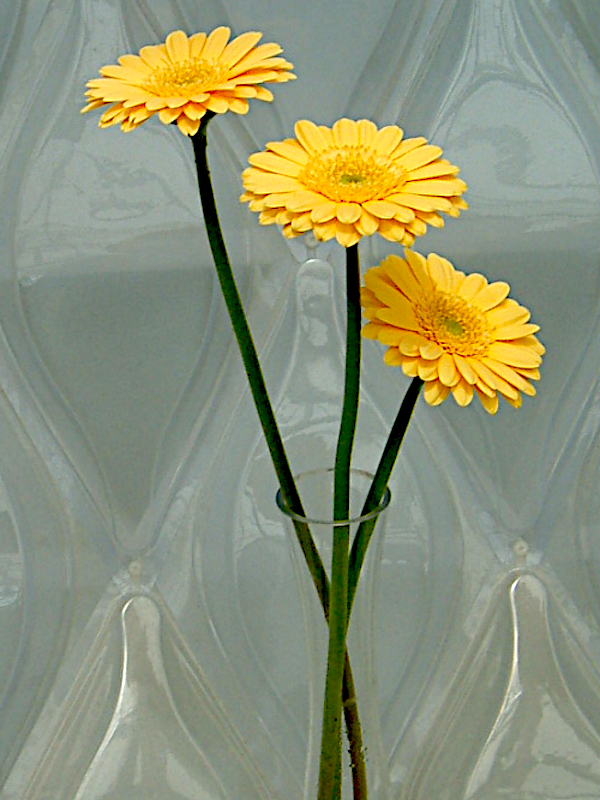

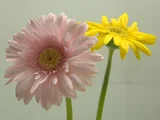
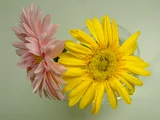
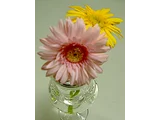
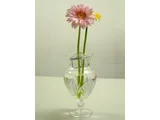
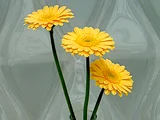
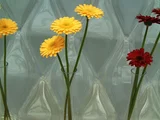



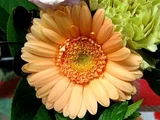
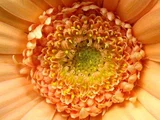


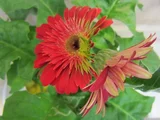
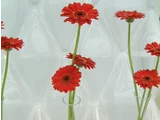

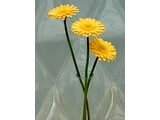
- Flower nameGerbera
- Scientific nameGerbera hybrids
- Aliasアフリカセンボンヤリ, Gerbera, Barberton daisy
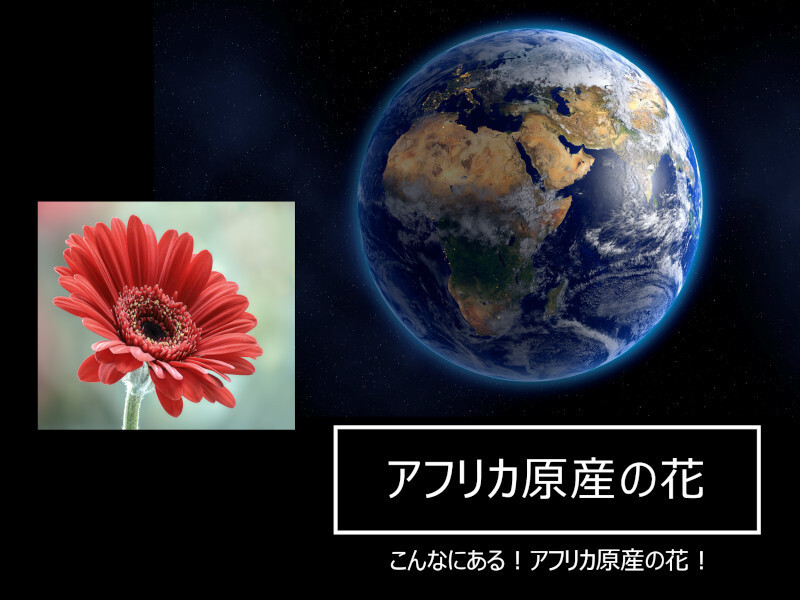
- Place of originSouth Africa
- Place of floweringGarden, Cut flowers, flower arrangement
- Flowering seasonJanuary, February, April, May, June, July, August, September, October, November, December
- Purposes
- Language of flowers"Hope," "Gratitude"
What is Gerbera
The birth flower for October 24, pink Gerbera (scientific name: Gerbera Hybrids) .
Aqua (Water Drop Poem), Photography & Editing: Mizuho @Kagiken
🌸💧 Pink Gerbera: “Reasons to Say Thank You”
by Aqua
🌸 “Thank you.”
💧 “For what?”
🌸 “…I don’t know.”
💧 “You don’t know?”
🌸 “But I just felt like saying thank you.”
💧 “Is there such a thing as a ‘thank you’ with no reason?”
🌸 “I think so.”
💧 “Well, that’s the best kind.”
🌸 “What about you, Water Drop?”
💧 “Maybe I’ll try saying it to someone, too.”
🌸 “Who?”
💧 “I haven’t decided yet.”
🌸 “Well then, decide who you’re going to say it to before you figure out the reason.”
💧 “…That part is necessary. 😂”
https://youtube.com/shorts/o4O2O-t5K3w
The birth flower for October 12: Yellow Gerbera (scientific name: Gerbera Hybrids)
Aqua (Water Drop Poem), Photography & Editing: Mizuho @Kagiken
Yellow Gerbera “Resting While Staying Yellow”
💧“Hello.”
🌼“Hello, Water Drop.”
💧“Do you know who I am?”
🌼“You’re Water Drop, right?”
💧“I’m Aqua, the Water Drop God.”
🌼 “Is that really important?”
💧 “…Lately, everyone’s been bringing that up.”
🌼 “Hehe.”
💧 “Hey, you’re a beautiful yellow, aren’t you?”
🌼 “Thank you.”
💧 “Just looking at you cheers me up.”
🌼 “I’m glad to hear that.”
💧“So, are yellow gerberas always cheerful?”
🌼“Always?”
💧“I mean, they’re such a bright color.”
🌼“So, is Aqua always cheerful?”
💧“Me?”
🌼“You’re the Water Drop God, right?”
💧“I don’t think that has anything to do with being cheerful.”
🌼“It’s the same for yellow.”
💧“……I see.”
For a while, the two of them swayed in the breeze.
💧“So, are there days when you’re not cheerful?”
🌼“Yeah.”
💧“What do you do on days like that?”
🌼“I just rest, still yellow.”
💧“………….”
🌼“You don’t have to let your color rest too, do you?”
💧“Oh, I kind of like that.”
🌼“Even if I wear a bright color on a day when I’m not feeling great, it’s not a lie.”
Aqua rolled over on a yellow petal.
💧“Are you feeling good today?”
🌼“Today, well….”
💧“Mm-hmm.”
🌼“A single water droplet rolled over, so it’s a kind of fun day.”
💧“Is that about me?”
🌼“Who else could it be?”
💧“Good. I didn’t get outargued today.”
🌼“…Was it a contest?”
💧“No, it wasn’t.”
🤣🤣🤣
February 11th's birth flower: Gerbera
Aqua (Waterdrop Poetry, Illustration), Editing & Translation: Mizuho @Kagiken

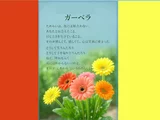
Gerbera, Image provided by Aqua
Note: The Japanese text in the illustration has the same meaning as Aqua's water droplet poem. Aqua is a water spirit.
💧Drops of Dew on a Gerbera
by Aqua
Hesitation doesn't suit a flower.
Meeting you,
Sharing the same time,
It makes me so happy, so happy,
My heart is dyed with smiles.
Why do we laugh?
Why do we hold hands?
Hey, I don't know the reason,
But that seems to be what they call “happiness.”
This poem is a drop that captures the gerbera's brightness and sincerity in words.
What is Gerbera?
Gerbera ranks second only to the Chrysanthemum in terms of shipping volume.
It is loved worldwide for its rich variety of colors, with a predominance of warm hues, and is used in cut flowers such as bouquets and arrangements, as well as potted plants.
The general flower meanings for Gerbera are "Hope" and "Gratitude."
"Hope" comes from its uplifting appearance, with the flower opening wide and facing upwards, and "Gratitude" is used when giving it as a cut flower or gift to express deep feelings.
Gerbera (Scientific name: Gerbera Hybrids) is a semi-hardy perennial herbaceous plant belonging to the genus Gerbera in the Asteraceae (Daisy) family, native to South Africa.
It is also known by the Japanese alternate names Afurika-senbonyari ( African Thousand Spears), Senbonyari (Thousand Spears), and Hanaguruma (花車, Flower Cart).
In a broad sense, the term Gerbera refers to the cultivated varieties (Gerbera Hybrids) grown in Cambridge, UK, around 1890.
In a narrow sense, it refers to the wild species from which the broad-sense Gerbera originated, specifically Gerbera jamesonii.
The modern Gerbera (Gerbera Hybrids) originates from hybrids of Gerbera jamesonii and Gerbera viridifolia, produced through repeated crossing and selective breeding.
The plant height ranges from 15 cm (6 in) for dwarf varieties suitable for potting, up to 40–80 cm (16–31 in) for cut flower varieties, and around 80 cm (31 in) for tall cut flower varieties.
The stems are long and slender, giving the flower an elegant and clean appearance.
The blooming season is April to July and October, and it blooms year-round in warmer regions.
The flower diameter is 6–15 cm (2.4–6 in), and it has many colors: white, pink, red, crimson, orange, yellow, bi-colors, and various shades.
It is cultivated year-round in greenhouses and is widely available in the market.
Its uses include cut flowers and flower arrangements.
Origin of the Name
Genus Name Origin : The genus name "Gerbera" is named after the German physician and botanist, Dr. Traugott Gerber (1710–1743), who discovered it.
Species Epithet Origin : The species epithet "jamesonii" is named after the Scottish collector, Robert Jameson.
One of the NASA Eco Plant 50
Gerbera was selected as one of the NASA Eco Plant 50 for its effectiveness in removing airborne pollutants, such as benzene, formaldehyde, and trichloroethylene, which are causative agents of sick building syndrome.
The flower's appearance is similar to Arctotis (Arctotis × Hybrida).
Flower Meanings (Flower Language)
Category : Detail
Overall : "Hope," "Gratitude"
Orange/Vermilion Red : "Mystery"
Red : "Mystery," "Burning, Mysterious Love," "Passion"
White : "Faithfulness," "Integrity"
Pink : "Sublime Beauty," "Gratitude"
Category : Detail
Common Name : Gerbera
Scientific Name : Gerbera Hybrids
Other Names : Afurika-senbonyari (African Thousand Spears), Senbonyari (Thousand Spears), Hanaguruma (Flower Cart)
Classification : Kingdom: Plantae → Clade: Angiosperms → Clade: Eudicots → Order: Asterales → Family: Asteraceae → Genus: Gerbera
Native Region : South Africa
Life Cycle : Semi-hardy perennial herb
Plant Height : 15 cm (Dwarf, potted) to 80 cm (Tall, cut flowers), 40–80 cm (Cut flower varieties)
Blooming Period : April–July, October (Year-round in warm regions)
Flower Diameter : 6–15 cm
Flower Color : White, Pink, Red, Crimson, Orange, Yellow, Bi-color, Various shades
Special Note : NASA Eco Plant
Related pages
Gerbera
Features:Christmas plants


- OrderAsterales

- FamilyAsteraceae
- GenusGerbera
- SpeciesG. Hybrids
- Type of flowerRadial symmetrical flower
- Array of flowerMonopetal inflorescence
- Petal shapeMulti-petaled
- Leaf typeoblong
- Edge of the leaf
- Life typesemi-cold-resistant perennial
- Flower colorsRed Pink Orange Yellow Cream White
- Colors of the leavesGreen
- Fruit color
- Height15.0 ~ 80.0 cm
- Diameter of flower6.0 ~ 15.0 cm