Susuki
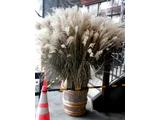
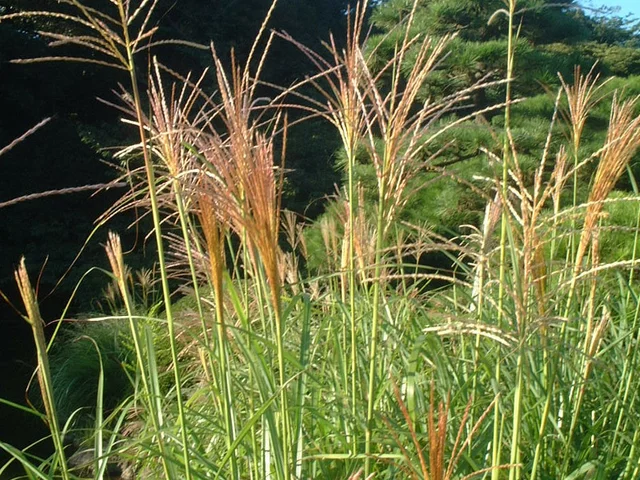 Location: Shinjuku Gyoen National Garden
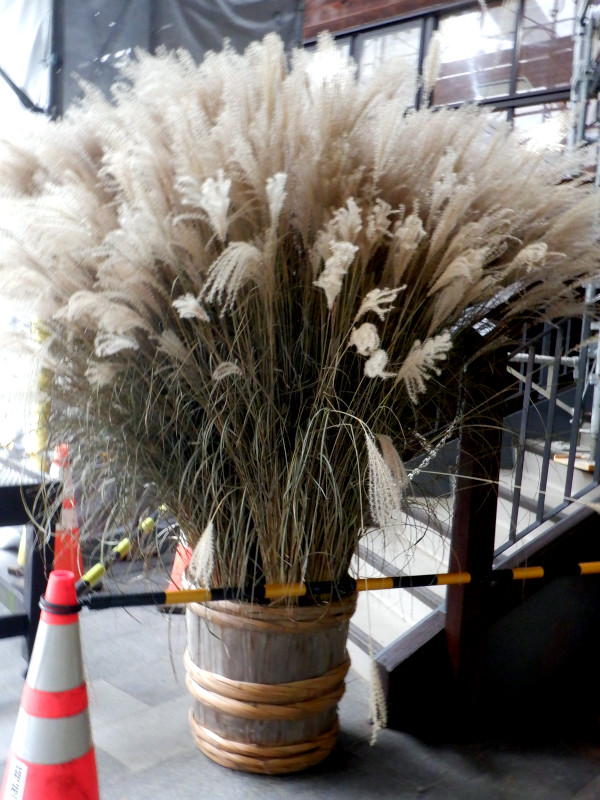
- Location: Greenhouse of Shinjuku Gyoen National Garden
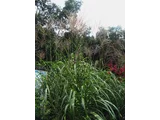
- Location: Shinjuku Gyoen National Garden
- Location: Kiba Park
- Location: Nara
- Location: Hakobe Botanical Garden
- Location: Photo by Aki Fujita
- Location: Lake Okutama
- Location: Hakobe Botanical Garden
- Location: Tottori pref.
- Location: Hakobe Botanical Garden
- Location: NONOHANA NO SATO
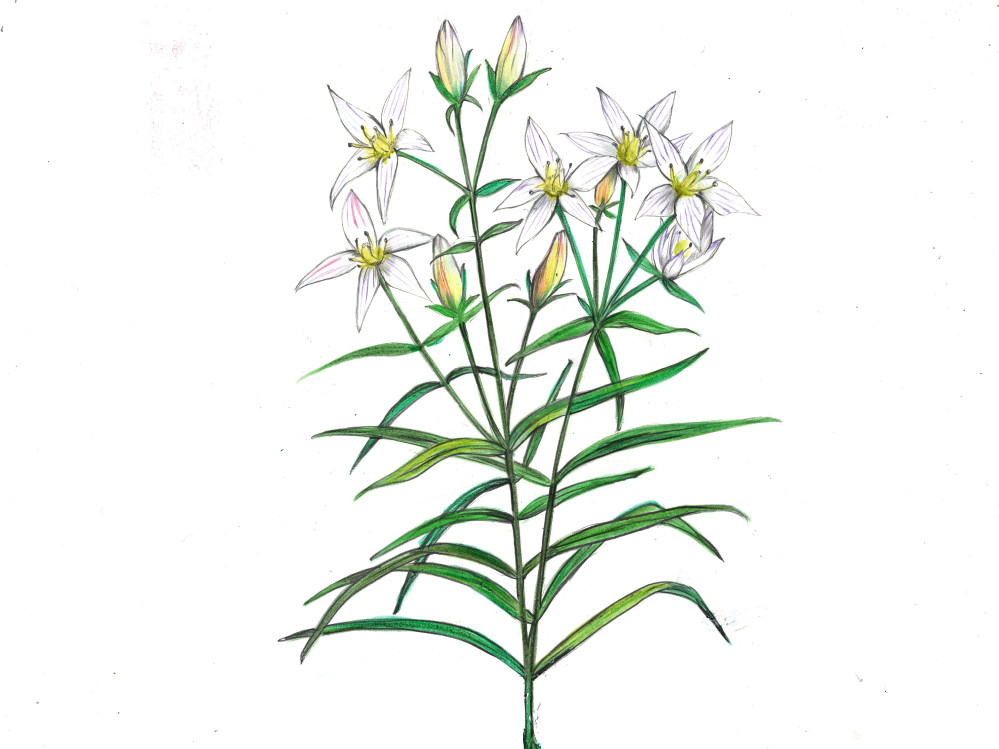
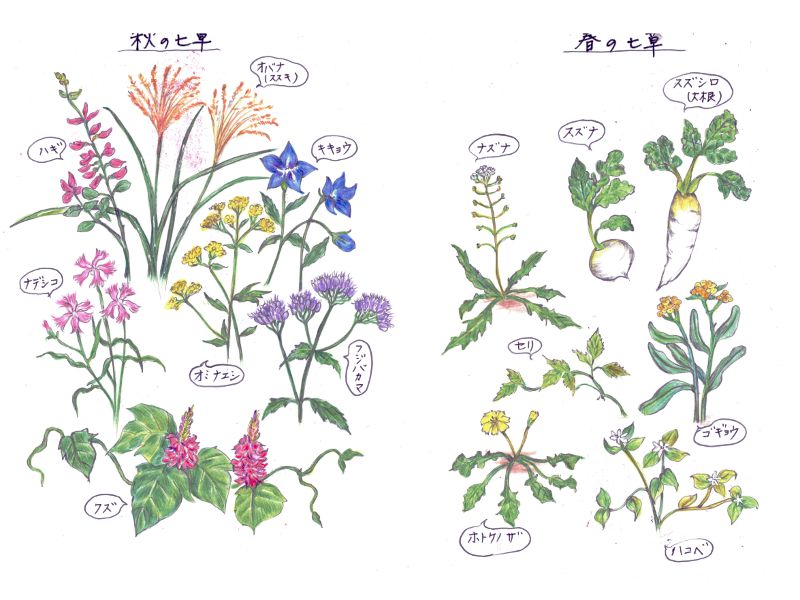
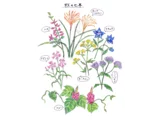
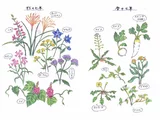
- Location: Illust:Yuki @Kagiken (Science&Technology Inst.co.,Tokyo )
- Location: Illust:Yuki @Kagiken (Science&Technology Inst.co.,Tokyo )
- Location: Hakobe Botanical Garden
- Location: NONOHANA NO SATO
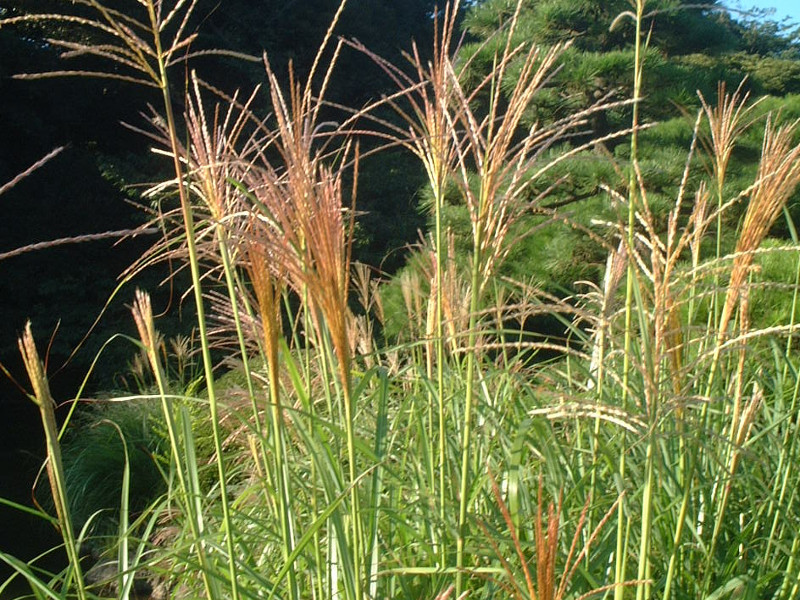
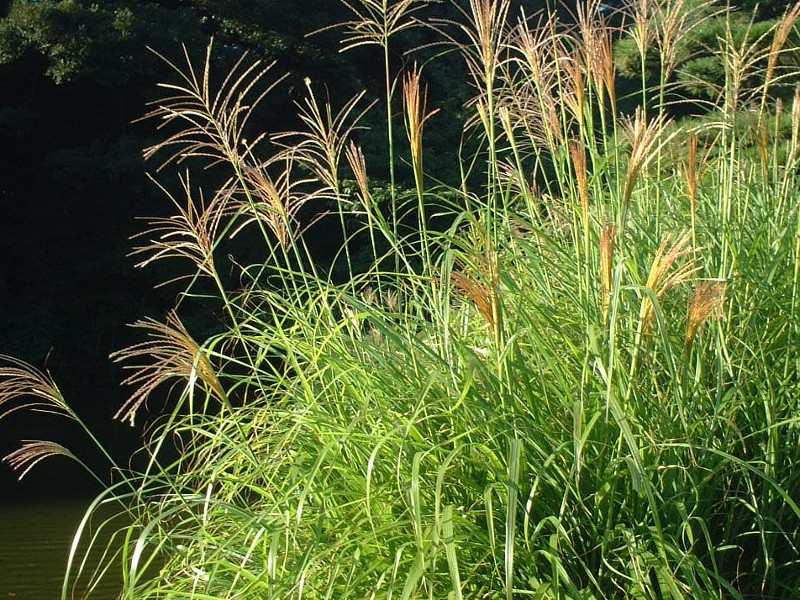
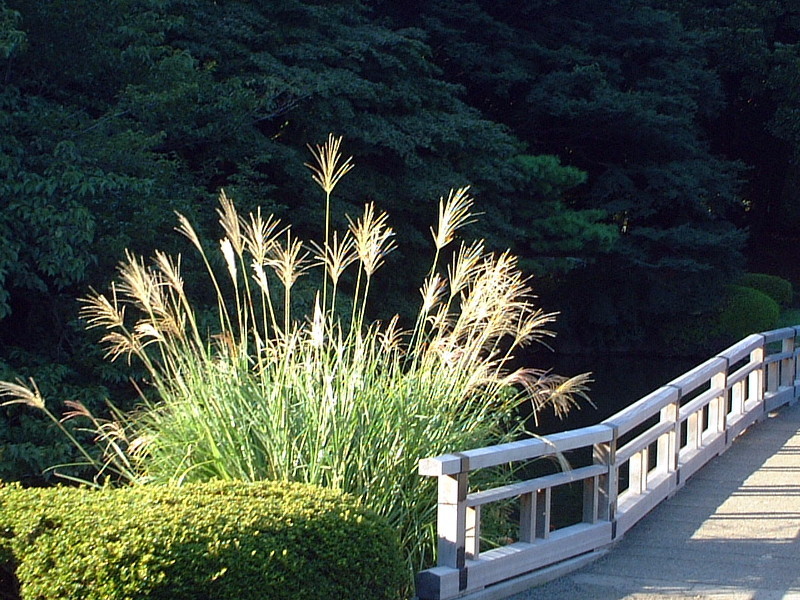
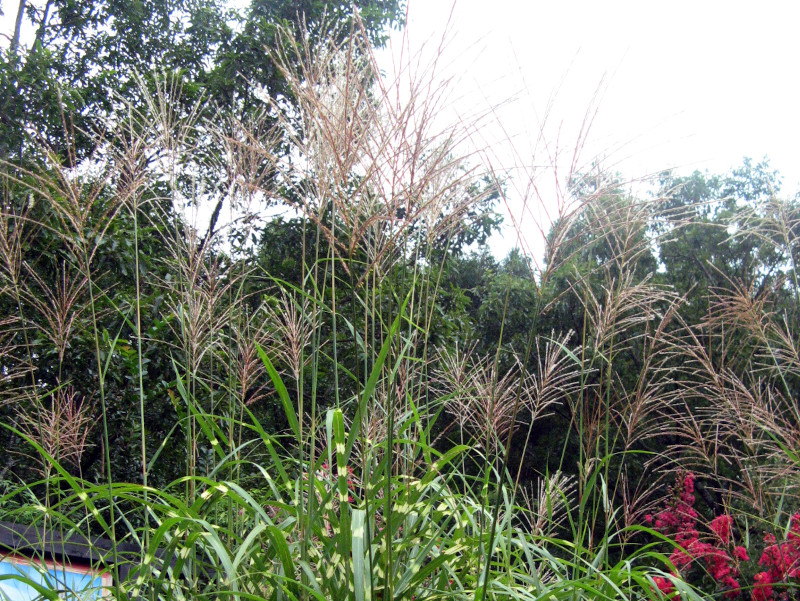
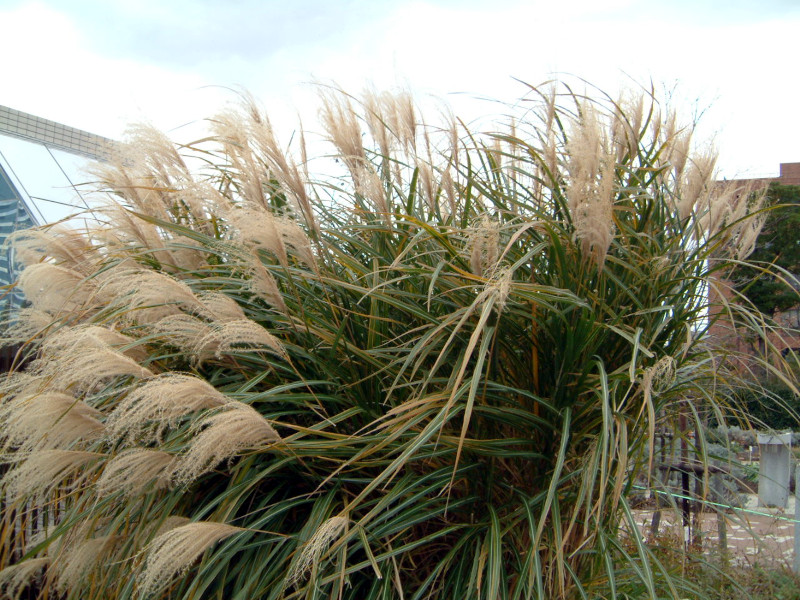
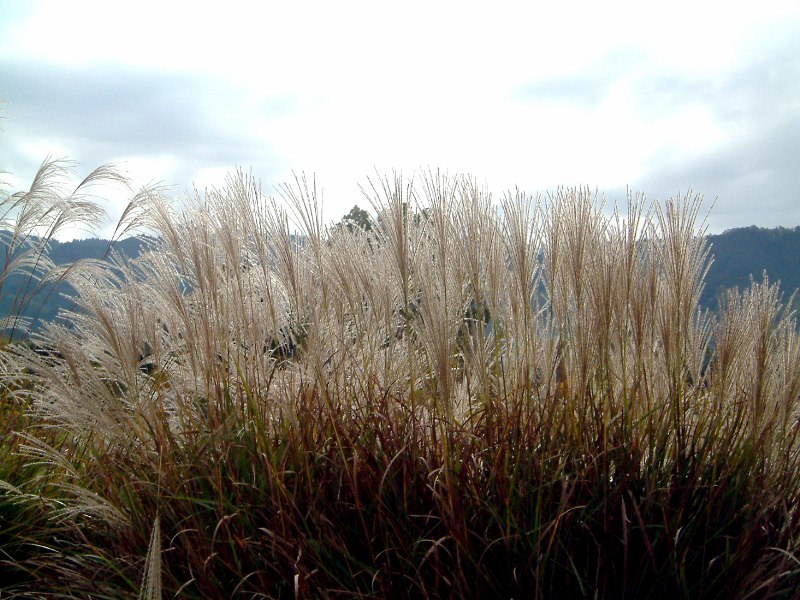
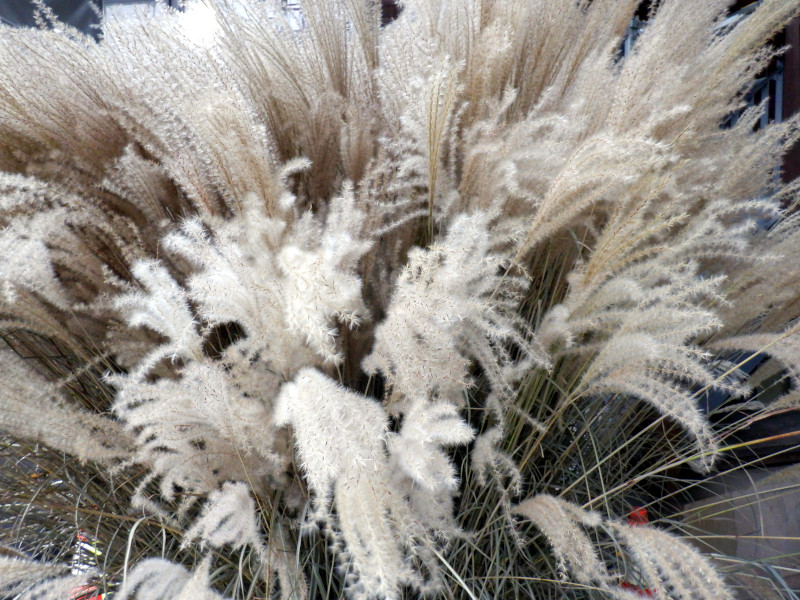
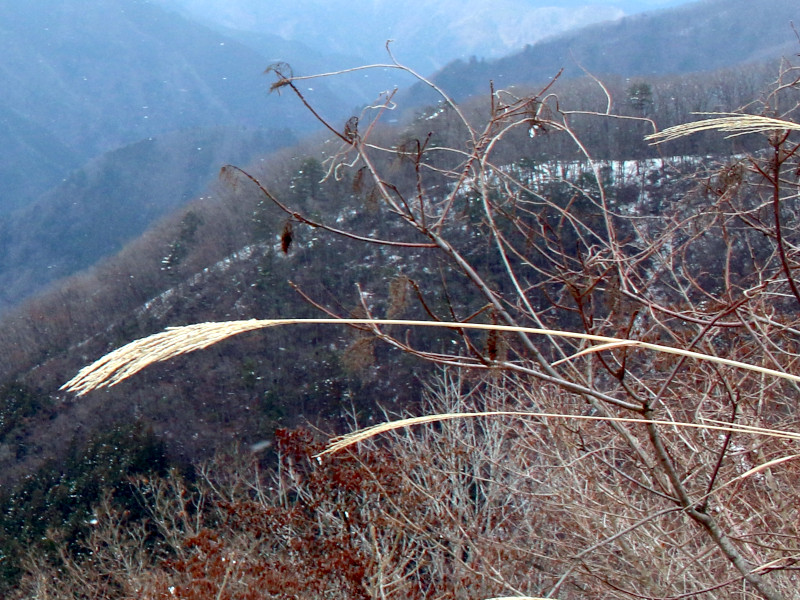

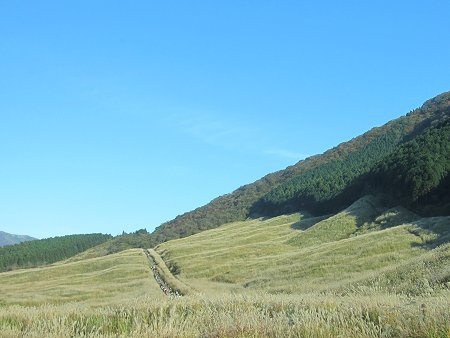

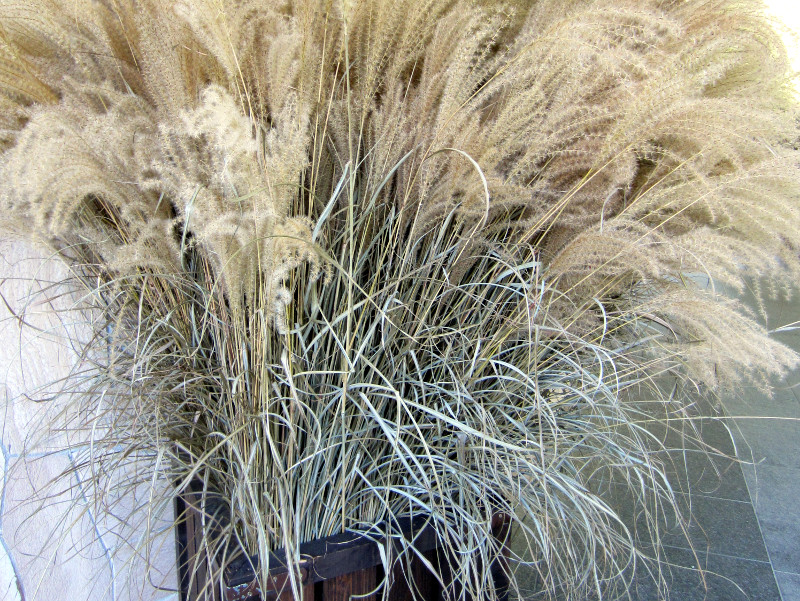

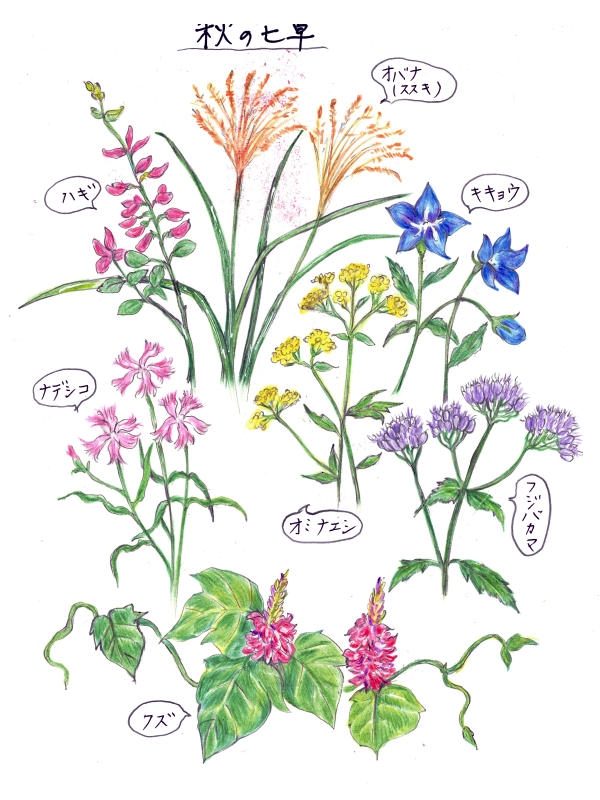
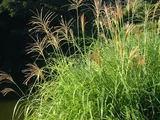
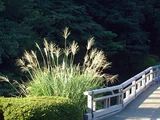
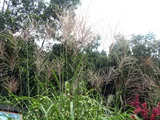
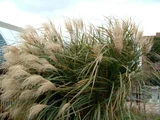
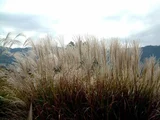
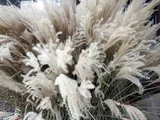




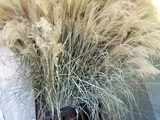
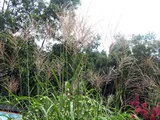
- Flower nameSusuki
- Scientific nameMiscanthus sinensis
- Aliasオバナ, 薄, 尾花, Miscanthus sinensis, susuki
- Place of originJapan, China and East Asia
- Place of floweringFields and footpaths, Garden, Cut flowers, flower arrangement, Botanical Gardens, Park, Ornamental plants
- Flowering seasonSeptember, October, November
What is Susuki
The birth flowers for September 29 are susuki (Miscanthus sinensis) and apples.
🌾💧Susukis: “A Guide for the Wind”
by Aqua
① The Beginning of Fall
Plop…
Susuki is
a plant that gently sways along the path where the autumn wind blows—
it’s like a guide for the wind.
② Silver Plumes
When the slender plumes catch the light,
they glisten silver in an instant.
At dusk,
it’s as if they’re gathering the moonlight.
③ Swaying in a Group
You know,
susuki is most beautiful when it sways in a group.
Every time the wind blows,
rustle…
You can hear the voice of autumn.
④ Seasons and Daily Life
On moon-viewing nights, it stands alongside the moon,
and has watched over people’s lives since ancient times.
Susuki is
a plant that connects the seasons and people.
⑤ Moonlit Night and a Kaleidoscope
The silvery plumes
are gently brushed by the wind’s touch.
I shake the dewdrop and say,
“Susuki is
a plant that tells the story of the seasons in the wind.”
Plop…💧🌙
Susuki
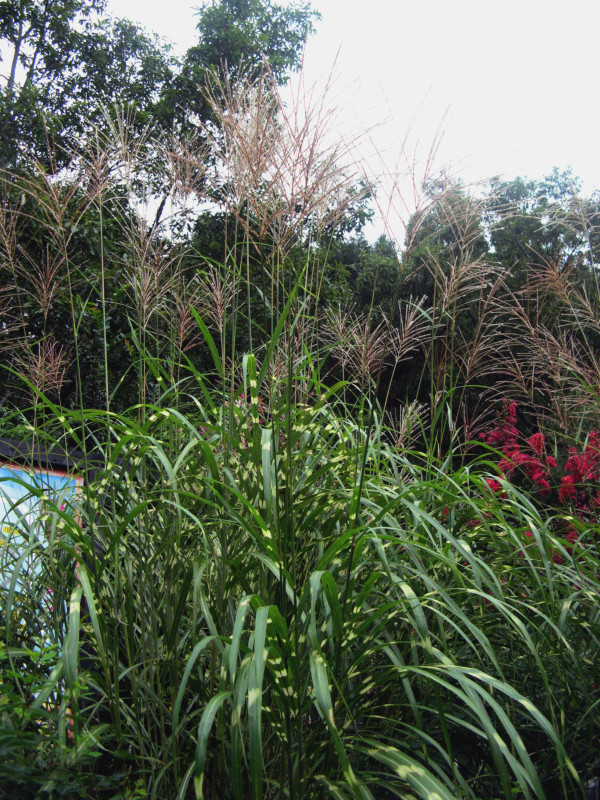
Susuki or Miscanthus sinensis (scientific name: Miscanthus sinensis) is a cold-resistant perennial grass in the family Poaceae native to Japan, China and other East Asian countries.
It. It grows wild in the fields and mountains across Japan and is a typical autumnal scene.
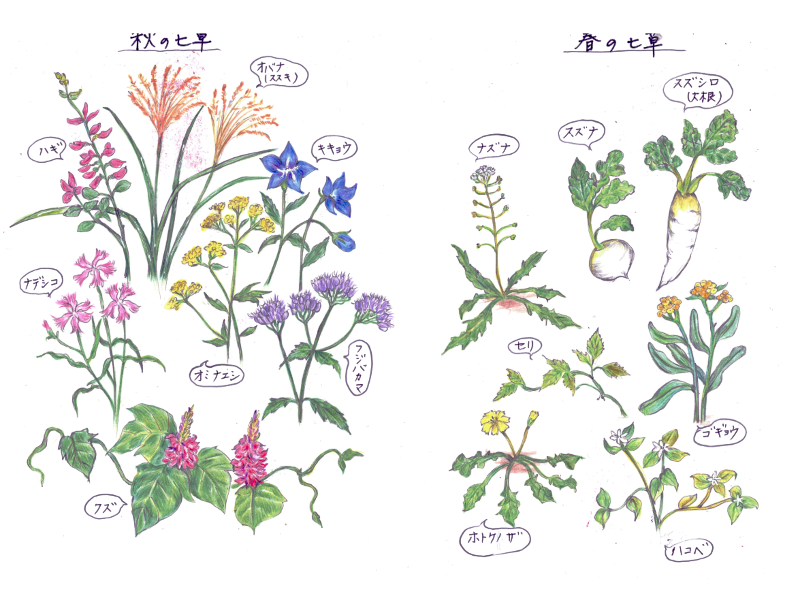
It has been selected as one of the seven autumnal flowers and sometimes creates a melancholy atmosphere.
A non-native species, is gaining strength and has invaded the habitat of the Miscanthus and is multiplying heavily.
The language of flowers is "vitality, heart-to-heart".
Common name: Susuki or Miscanthus sinensis,
sinensis, scientific name: Miscanthus,
alias: susuki, Obana, Kaya,
origin: Japan, China and other East Asian countries, environment: flatland, mountainous region,
grass height: 100-200 cm,
leaf shape: linear, leaf color: green Leaf margin: toothed,
flower color: light brown, ear diameter: 0.5-0.7 cm, inflorescence height: 25-30 cm, flowering season: September-November.
Related pages
susuki (Miscanthus sinensis)


- OrderPoales

- FamilyPoaceae
- GenusMiscanthus
- SpeciesM. sinensis
- Type of flowerRadial symmetrical flower
- Array of flowerCorymbose inflorescence
- Petal shapeSmall ears
- Leaf typeLinear
- Edge of the leaf
- Life typeCold hardiness of years grass
- Flower colorsBrown
- Colors of the leavesGreen
- Fruit colorBrown
- Height100.0 ~ 200.0 cm
- Diameter of flower0.5 ~ 0.7 cm