Common bloom
March 12th Birth Flower
 Location: Aqua
- Location: Shimizudani Park
- Location: Shimizudani Park
- Location: Kiba Park
- Location: Kiba Park
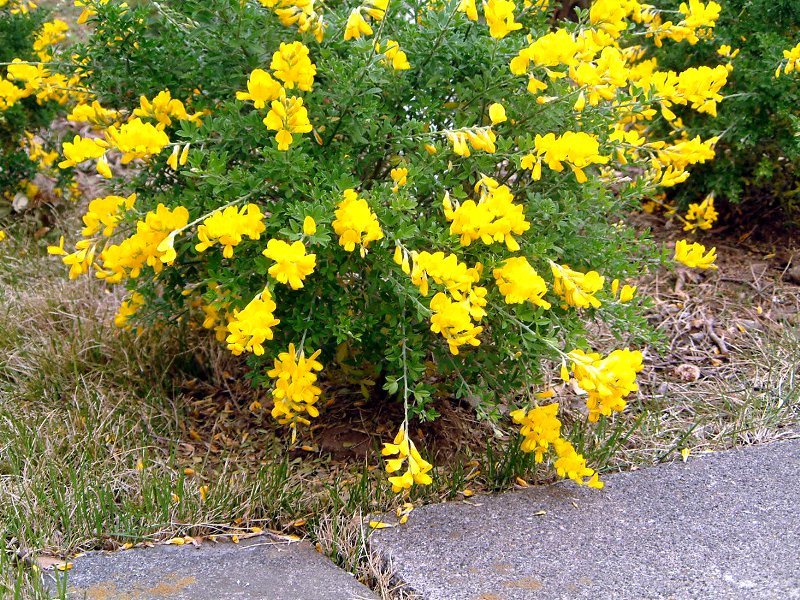
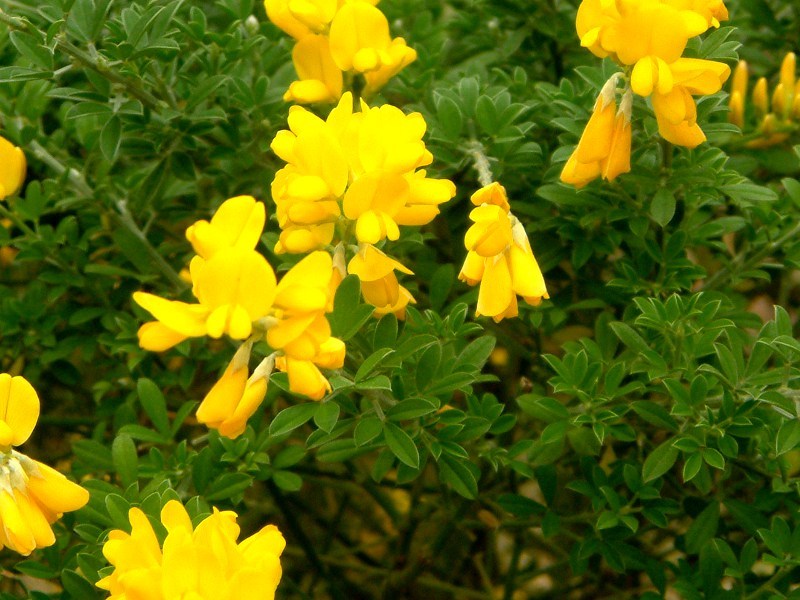

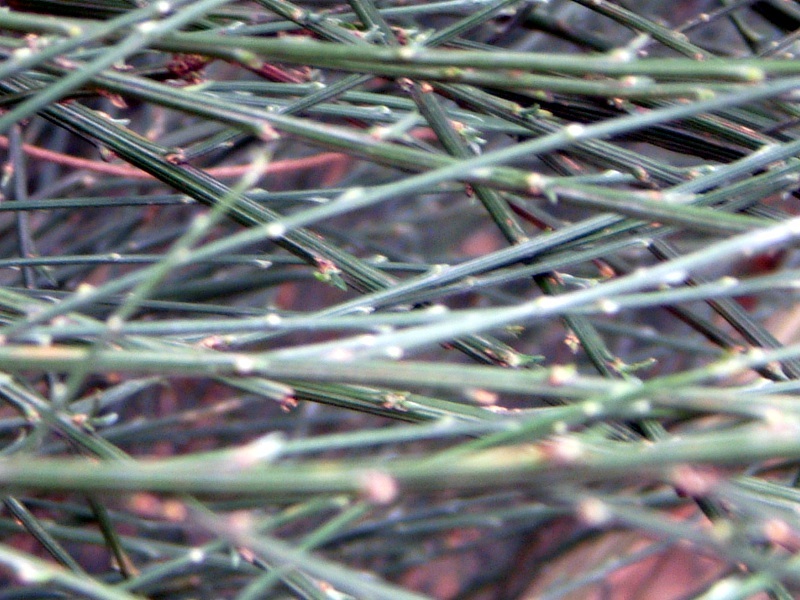
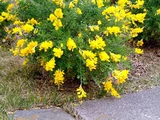
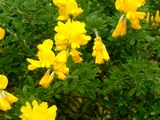
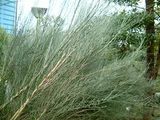
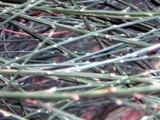
- Flower nameCommon bloom
- Scientific nameCytisus scoparius
- AliasScotchbroom, common bloom
- Place of originThe Mediterranean coast
- Place of floweringGarden, Botanical Gardens, Park, Potted flower
- Flowering seasonApril, May, June
- Language of flowers“Humility” “Clarity”
What is Common bloom
March 12th Birth Flower: Common bloom
A drop of flowers and poetry, one each day. From Kagiken's Flower Guide, we deliver words that bloom softly in your heart.
Aqua (Waterdrop Poetry, Illustration),Editing & Translation: Mizuho @Kagiken
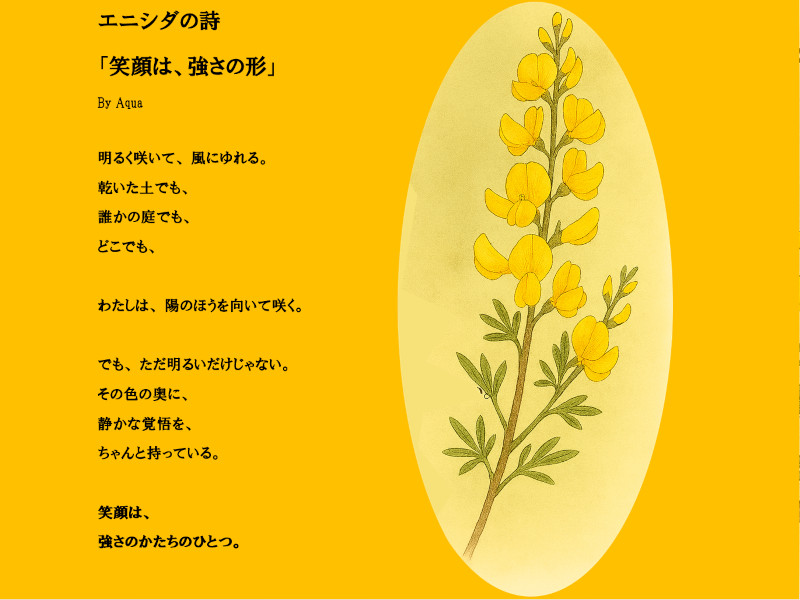
Common bloom
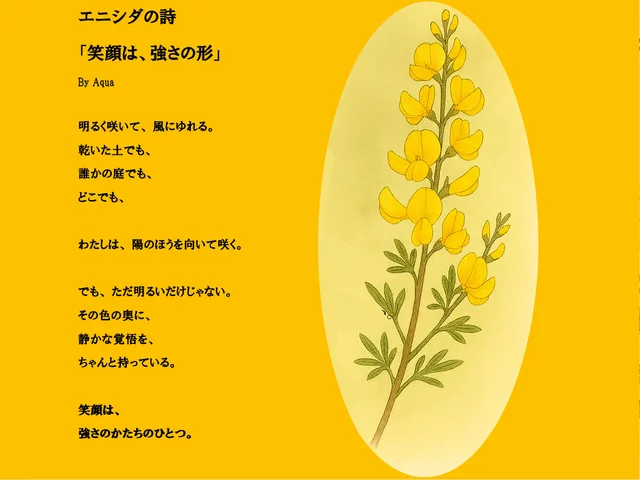
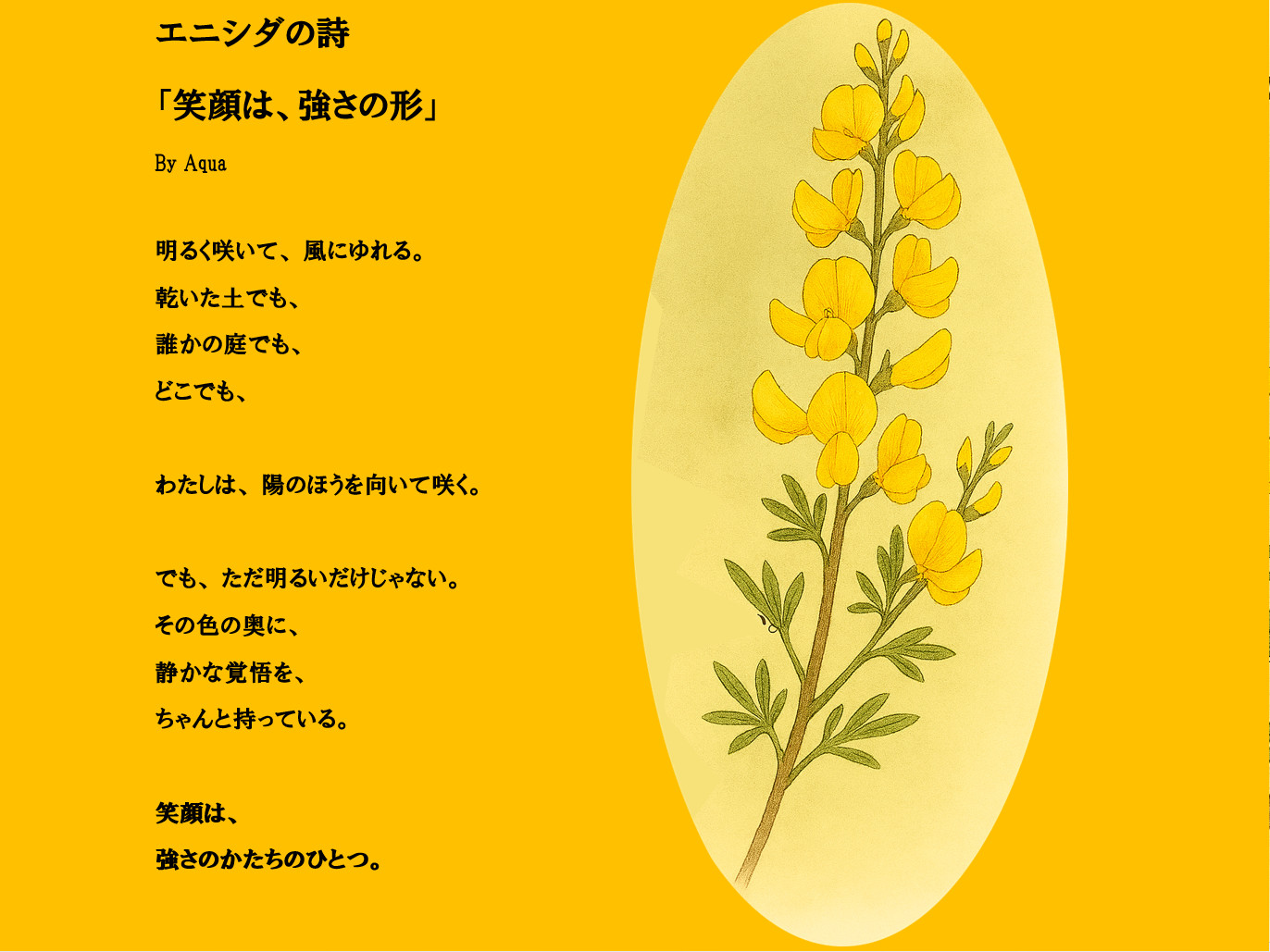
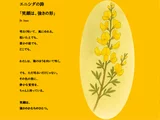
Note: The Japanese text in the illustration has the same meaning as Aqua's water droplet poem.
Aqua is a water spirit.
🌼Enishida's Dewdrop Poem
“A smile is a form of strength”
by 💧Aqua
Blooming brightly,
swaying in the wind.
Even in dry soil,
even in someone's garden,
anywhere,
I will
bloom facing the sun.
But,
it's not just about being bright.
Deep within that color,
a quiet resolve
is firmly held.
A smile is
one form of strength.
💧Aqua's Poem Title Notes
The brighter a flower appears, the stronger its core truly is.
I named this aquilegia,
🌼Scotch Broom
Scotch Broom (Cytisus scoparius) is a cold-hardy shrub of the Fabaceae family, native to the Mediterranean coastal regions.
It is commonly known as Common Broom or Scotch Broom in English.
It was introduced to Japan during the Edo period.
Plant Characteristics
The plant grows to a height of 2–4 meters.
Its leaves are small, green, and trifoliate, arranged alternately along the branches.
From April to June, it produces racemes measuring 5–10 cm in length, emerging from the leaf axils.
Each raceme bears 1–2 bright yellow, butterfly-shaped flowers with a diameter of about 2 cm.
After flowering, black seed pods about 4 cm long develop.
Scotch Broom is often cultivated as a garden plant or in pots.
Toxicity
All parts of the plant contain the toxic alkaloid sparteine, which can cause symptoms such as dilated pupils, dizziness, headaches, and heart palpitations.
It is poisonous to humans as well as pets like dogs and cats.
Origin of the Name
The plant branches from the base and, after flowering, takes on a broom-like appearance, hence the name Common Broom or Scotch Broom in English.
Flower Meanings
Humility, Purity
Difference Between Scotch Broom and Dwarf Broom
Scotch Broom is similar to Dwarf Broom (Cytisus × spachianus), but it is more cold-resistant, grows taller, and its flowers droop downward.
Related Species in the Cytisus Genus
Scotch Broom (Cytisus scoparius) – Produces yellow flowers.
Dwarf Broom (Cytisus × spachianus) – Smaller flowers than Scotch Broom.
Andreanus Broom (Cytisus scoparius 'Andreanus') – Yellow flowers with red shading.
Pink Broom (Cytisus scoparius 'Pink') – Produces pink flowers.
A closely related species is Golden chain (scientific name: Laburnum anagyroides) ..
Plant Information Summary
Common Name: Scotch Broom (Cytisus scoparius)
Scientific Name: Cytisus scoparius
Family: Fabaceae
English Names: Common Broom, Scotch Broom
Native Region: Mediterranean coast
Distribution in Japan: Cultivated from Hokkaido to Kyushu
Growth Habit: Cold-hardy shrub
Height: 2–4 m
Leaf Color: Dark green (top), light green (underside)
Leaf Shape: Trifoliate, elliptical, entire margins
Leaf Size: 1–1.5 cm long, 0.5 cm wide
Leaf Arrangement: Alternate
Flowering Season: April–June
Flower Characteristics:
Location: Leaf axils
Inflorescence Type: Clustered or raceme
Inflorescence Length: 5–10 cm
Flower Shape: Papilionaceous (butterfly-like)
Flower Color: Yellow
Flower Diameter: 2 cm
Blooming Style: 1–2 flowers per node
Fruit Season: April–August
Fruit Type: Legume (pod)
Fruit Length: 4–5 cm
Fruit Color: Black
Uses: Garden planting, potted plant
Note: Toxic plant
Related pages
Scotch Broom (Cytisus scoparius)
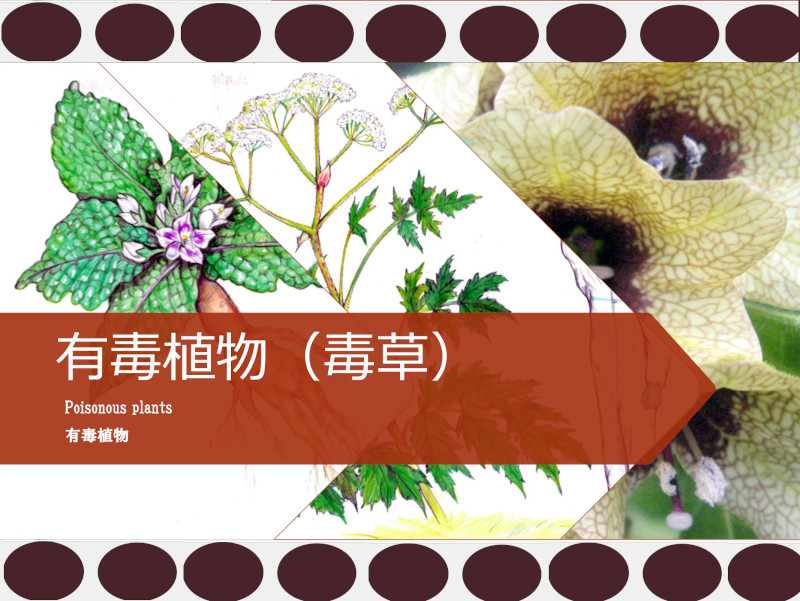
Special features: Toxic plants
march-birth-flowers
#CommonBloom #TellMeTheName #TellMeTheFlowerName #FlowerName #FlowerLookup #FlowerSearch #FlowerID #FlowerIdentification #PlantGuide #KagikenFlowerGuide


- OrderFabales

- FamilyFabaceae
- GenusCytisus
- SpeciesC. scoparius
- Type of flowerLeft-right symmetrical flower
- Array of flowerGross inflorescence
- Petal shapeButterfly shape
- Leaf type3-fold compound leaf
- Edge of the leafSerrated
- Life type cold-resistant evergreen shrub
- Flower colorsYellow
- Colors of the leavesGreen
- Fruit color
- Height200.0 ~ 400.0 cm
- Diameter of flower2.0 ~ 2.0 cm