Iris sanguinea
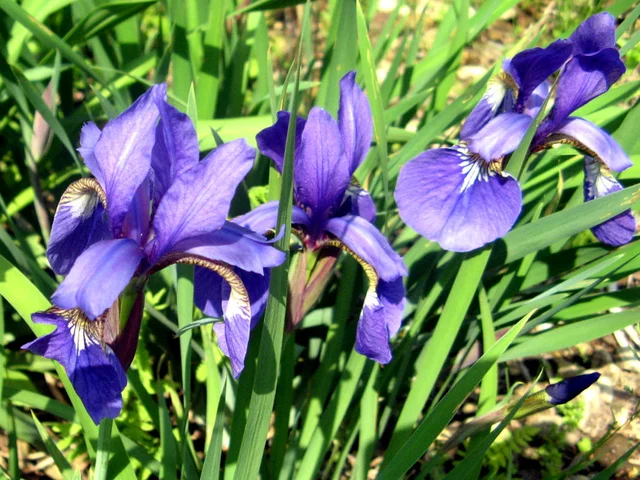 Location: Tsukuba Botanical Garden
- Location: Flower Park Kagoshima
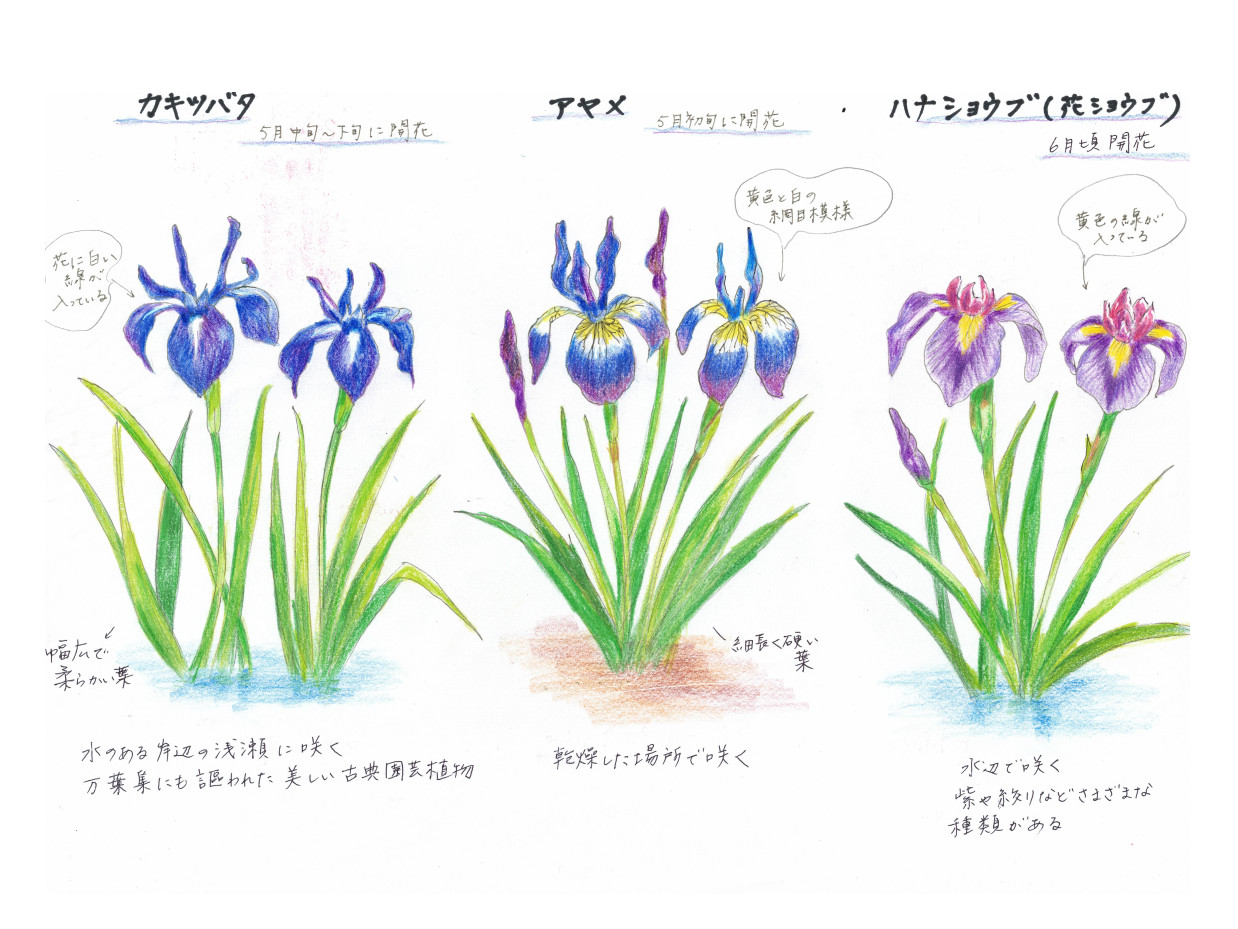
- Location: Illust:Yuki @Kagiken (Science&Technology Inst.co.,Tokyo )
- Location: Tsukuba Botanical Garden
- Location: Tsukuba Botanical Garden
- Location: Flower Park Kagoshima
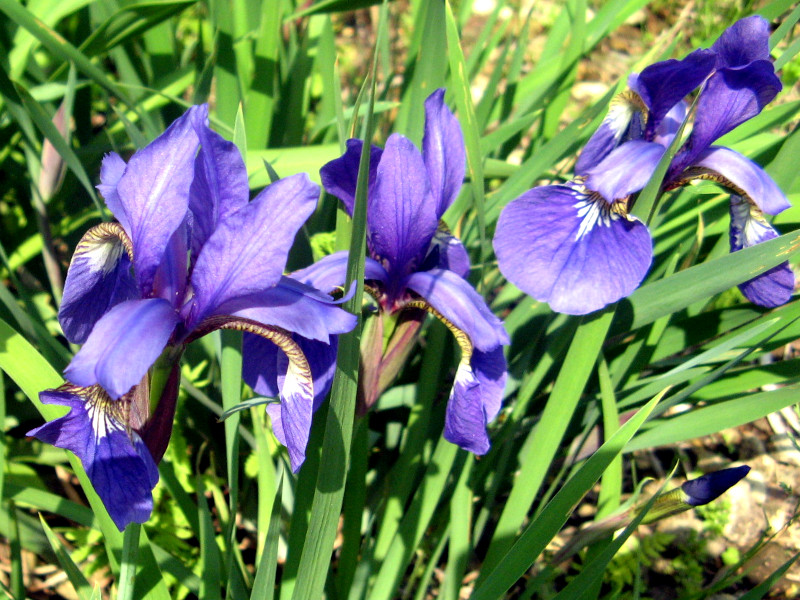
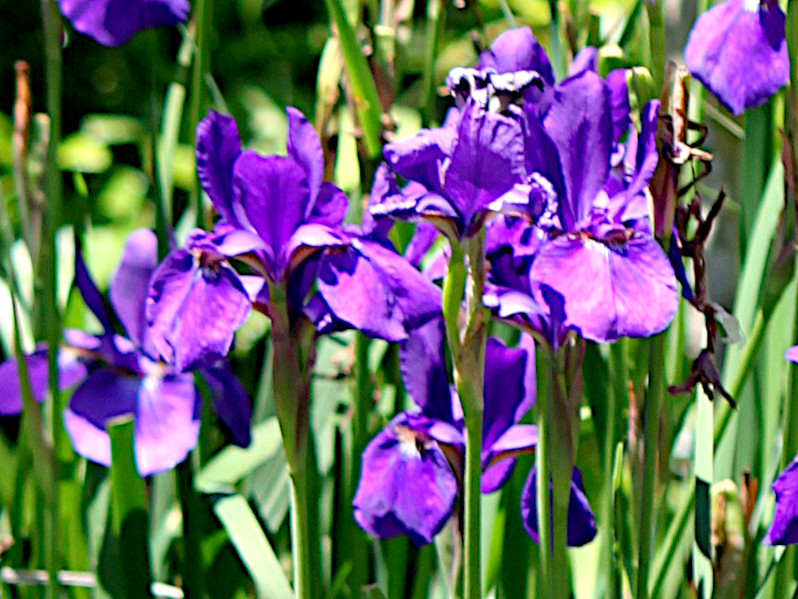
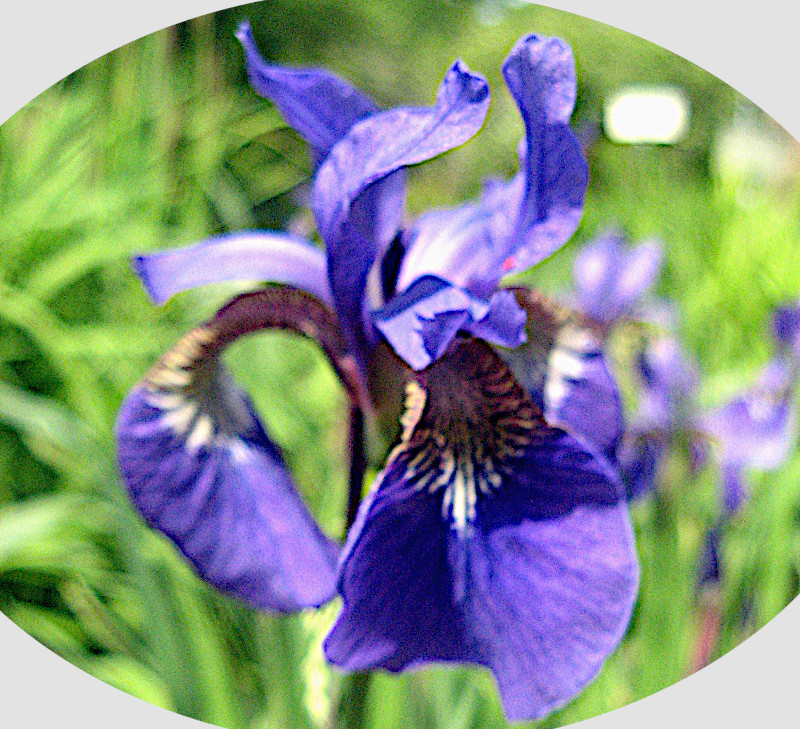
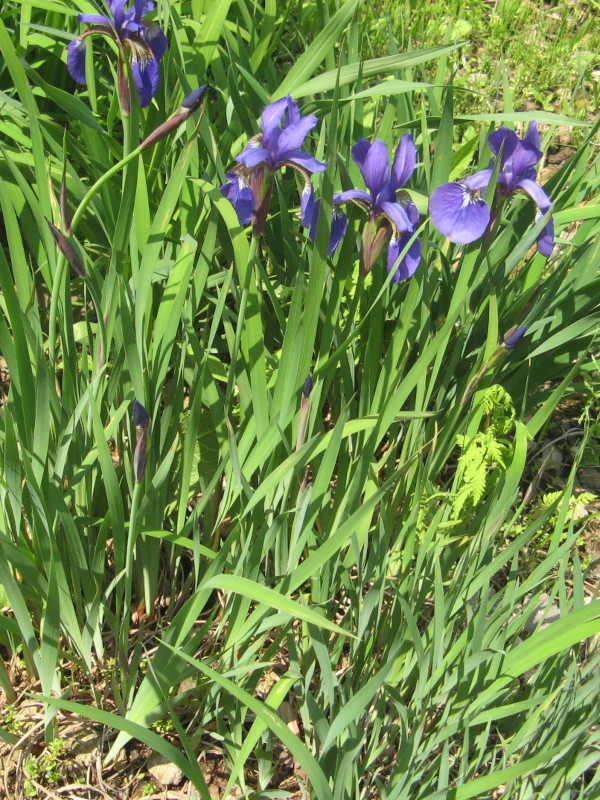
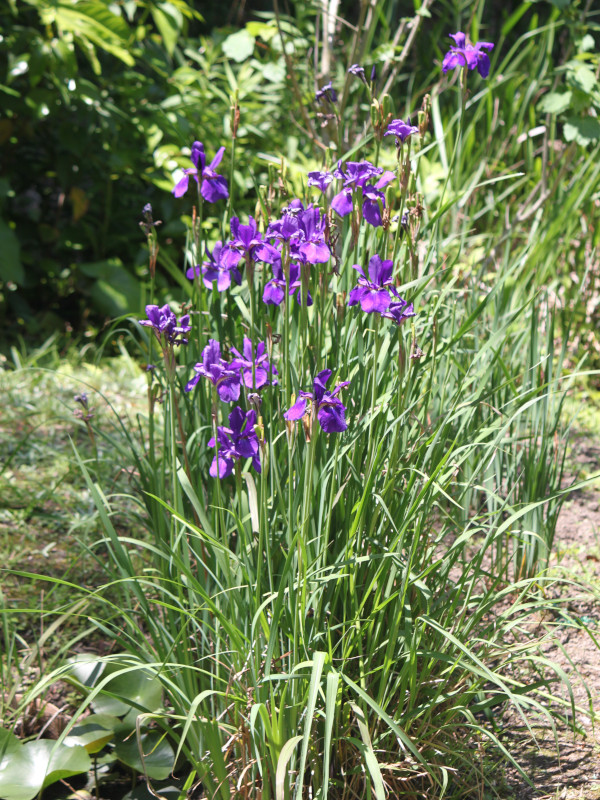
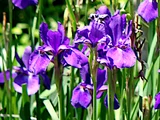
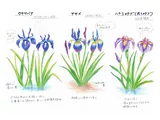
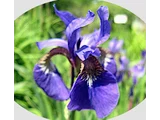
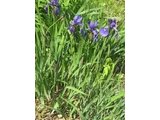
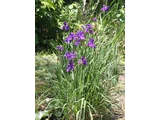
- Flower nameIris sanguinea
- Scientific nameIris sanguinea
- Alias文目, 綾目, Iris sanguinea, あやめ
- Place of originJapan, Korean Peninsula, Taiwan, China
- Place of floweringFields and footpaths
- Flowering seasonMay, June, July
- Language of flowersGood letter, message, hope
What is Iris sanguinea
Iris sanguinea , commonly called as Ayame in Japan (Scientific name: Iris sanguinea) is a perennial herb of the genus Iris, which is native to Japan, Korea, Taiwan, and China. We grow wild on grassland of Hokkaido to Kyushu of Japan.
Hanashobu ( I. ensata var. ensata) and Kakitsubata (scientific name: Iris laevigata) bloom on the waterside, while iris blooms in a dry place.
From spring to summer, it makes the flower stems upright, does not branch, and attaches one to three blue-purple day flowers to the top of the stem. It looks like there are six petals, and three of them are sepals. The sepals are characterized by a blue-purple ground and yellow and white mesh pattern on the base. The petals (flower) rise up short. The leaves are separate genera, but it has a sword-like shape similar to Acorus calamus.
General name:Iris sanguinea, Scientific name: Iris sanguinea, Place of Origin: Japan, China, Plant height: 30 to 90 cm , Leaf length: 20 to 60 cm, Leaf width: 0.5 to 1 cm, Leaf main vein: Indistinct, Flower color: Blue-purple, Flowering period: May to July, Flower diameter: 6 to 8 cm, Outer flower cover piece length: 5 cm, outer flower cover piece width: 1 cm, outer flower cover piece color: yellow and white mesh pattern on blue purple ground.


- OrderAsparagales

- FamilyIridaceae
- GenusIris
- SpeciesI. sanguinea
- Type of flowerRadial symmetrical flower
- Array of flowerMonopetal inflorescence
- Petal shapeIris-shaped
- Leaf typesword-shaped
- Edge of the leafEntire
- Life typeperennial plamt
- Flower colorsPurple
- Colors of the leavesGreen
- Fruit color
- Height60.0 ~ 80.0 cm
- Diameter of flower7.0 ~ 8.0 cm