Hylomecon japonica
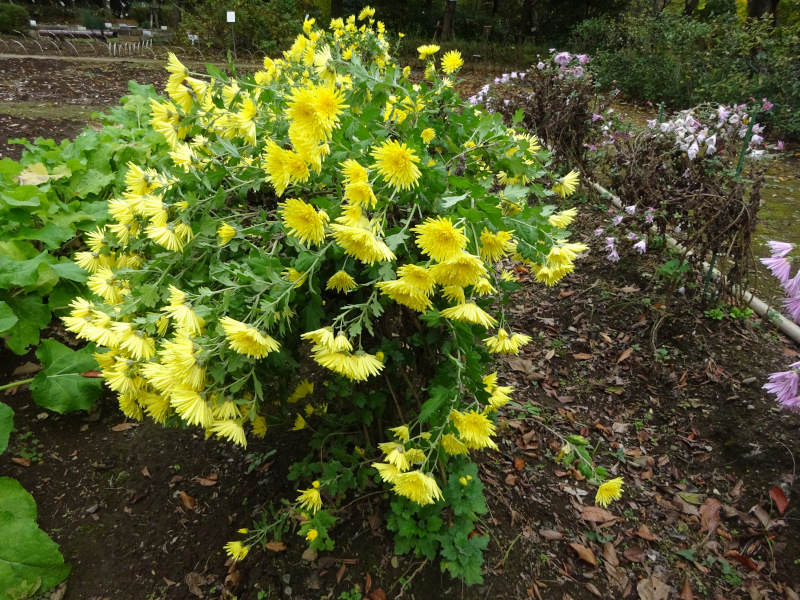
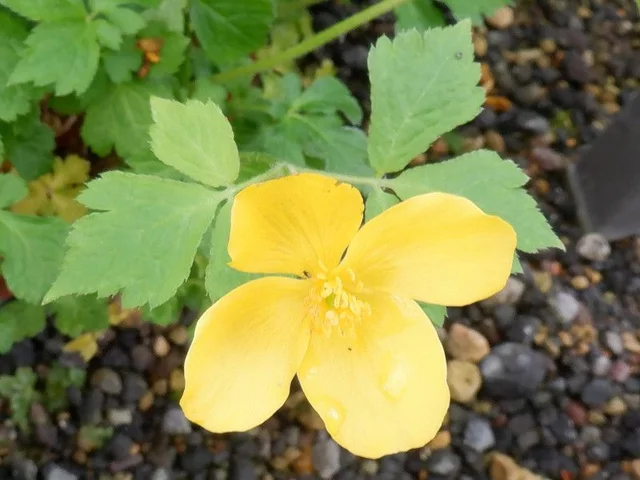 Location: Botanic Garden of Toyama
- Location: Botanic Garden of Toyama
- Location: Kyoto Botanical Garden
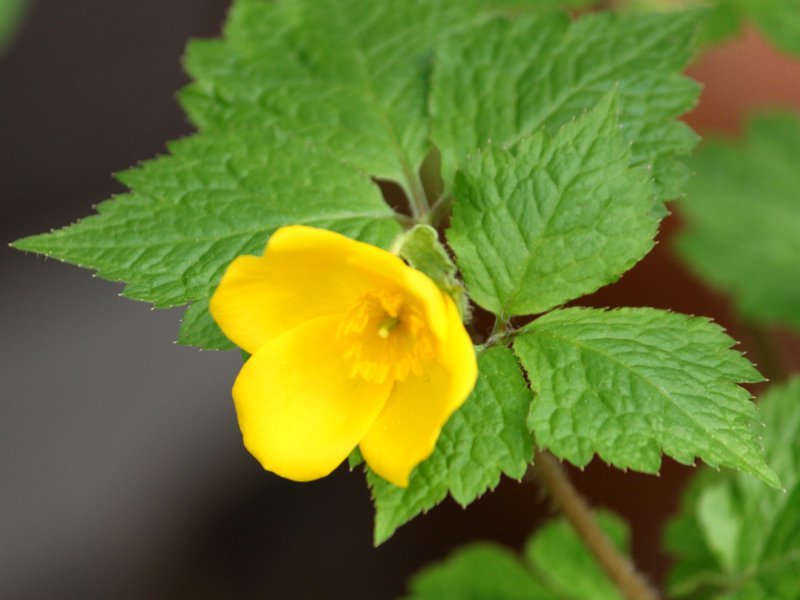
- Flower nameHylomecon japonica
- Scientific nameHylomecon japonica
- AliasHylomecon japonica, タイリクヤマブキソウ, 大陸山吹草
- Place of originJapan and China
- Place of floweringGarden, Park, Potted flower
- Flowering seasonApril, May, June
What is Hylomecon japonica
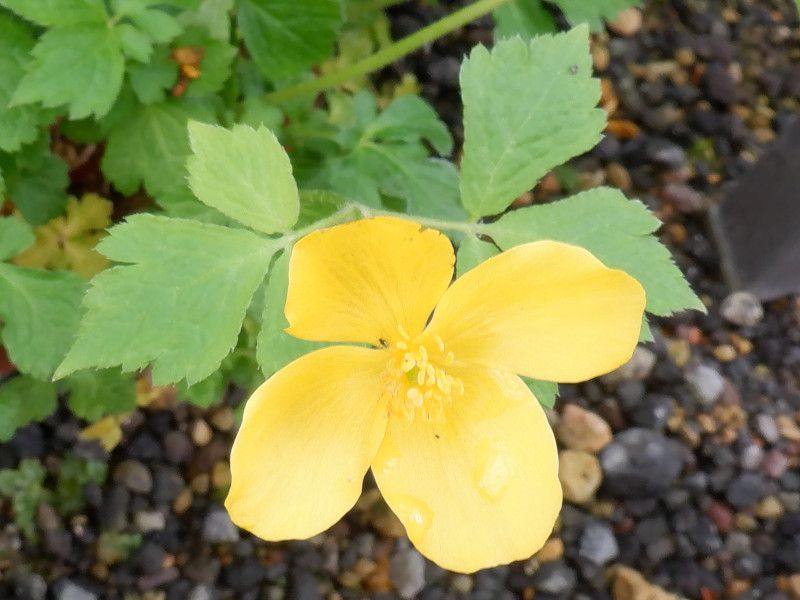
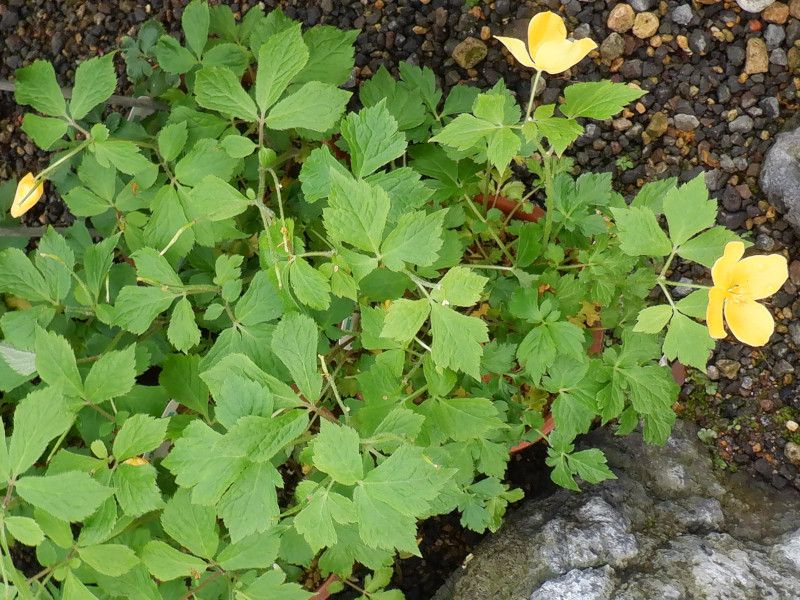
Hylomecon japonica or yamabukiso (scientific name: Hylomecon japonica) is a perennial herbaceous plant belonging to the Papaveraceae family native to Japan and China. It grows in clusters in deciduous forests in the mountains and fields of Honshu, Shikoku, and Kyushu. The leaves have both rootlets and stems. It has an odd pinnate compound leaf and a tridentate compound stem leaf. Two to three four-petaled flowers bloom from the upper leaf axils of the stem in spring or early summer.
A similar flower Japanese kerria or yamabuki (scientific name: Kerria japonica) is a flower of a different genus (Rosaceae) , has five petals and is a tree, not a grass.
Common Name:Hylomecon japonica or yamabukiso, scientific name: Hylomecon japonica, Locality: Japan, China, Life-type: Perennial, Grass height: 30 to 50 cm, Leaf color: green, [Radical leaves] Leaf shape: odd pinnate compound leaf consisting of 5 or 7 leaves; lobes: oval; petiole: long; leaf margin: incised + serrated, [Leaves and stems] Leaves: Leaf shape: 3-depressed compound leaf, leaf order: alternate, Flowering season: April to June
Flowering place: 2-3 in the upper leaf axils; corolla: 4-petaled; diameter: 3-5 cm; flower colour: yellow/orange; number of petals: 4; number of stamens: many; fruit type: capsule; propagation: seedling; planting; use: garden planting, potted planting, park, container, medicinal use.


- OrderRanunculales

- FamilyPapaveraceae
- GenusHylomecon
- SpeciesH. japonica
- Type of flowerRadial symmetrical flower
- Array of flowerMonopetal inflorescence
- Petal shape4 petals
- Leaf typeOdd pinnate compound leaf
- Edge of the leafSerrated
- Life typeperennial herbaceous plant
- Flower colorsYellow
- Colors of the leavesGreen
- Fruit color
- Height30.0 ~ 50.0 cm
- Diameter of flower3.0 ~ 5.0 cm