Europe and Western Asia
 Location: Kagiken
- Location: Kagiken
- Location: Kagiken
- Location: Kagiken
- Location: Kagiken
- Location: Kagiken
- Location: Kagiken
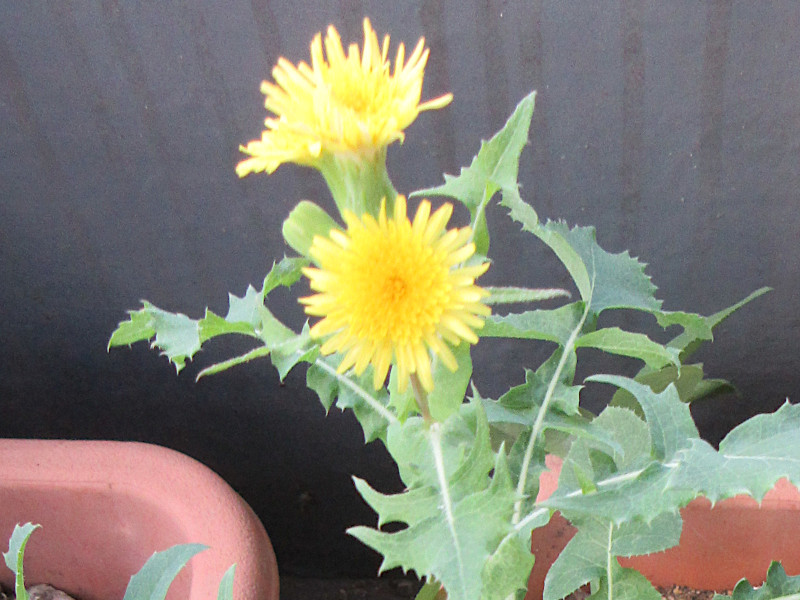
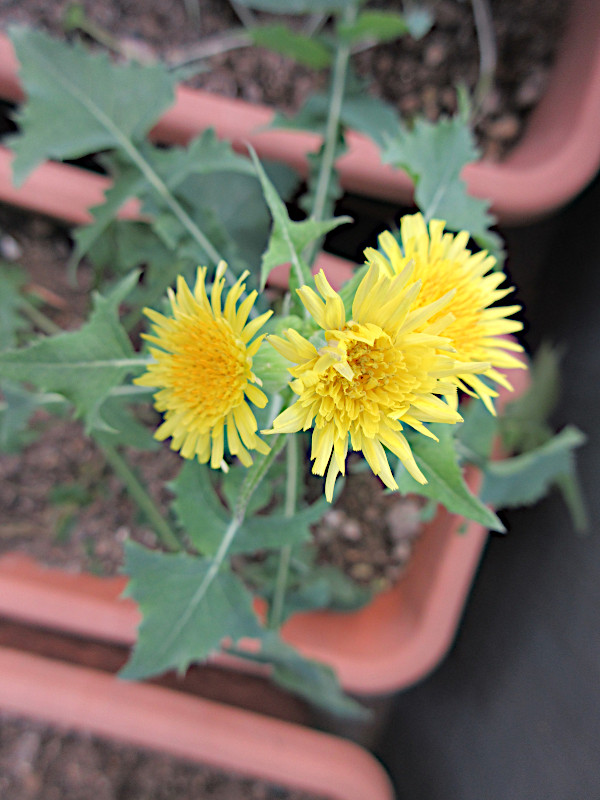
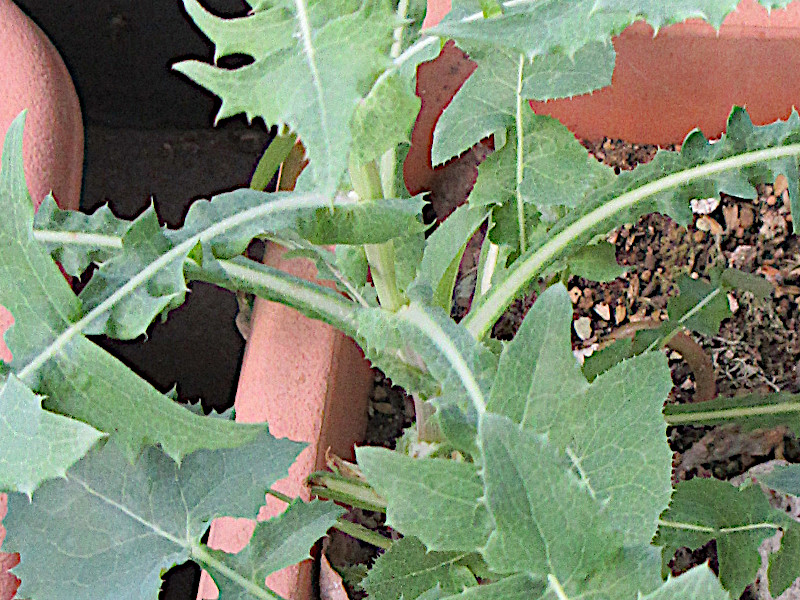
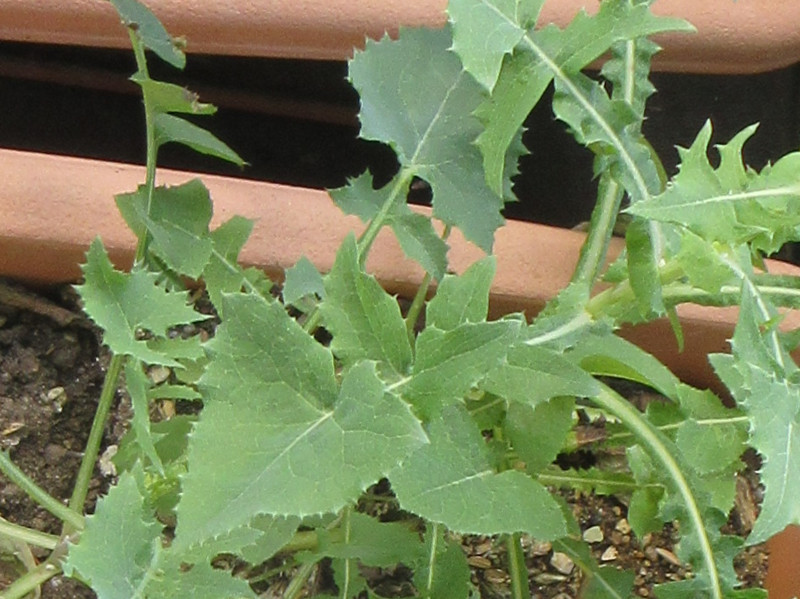
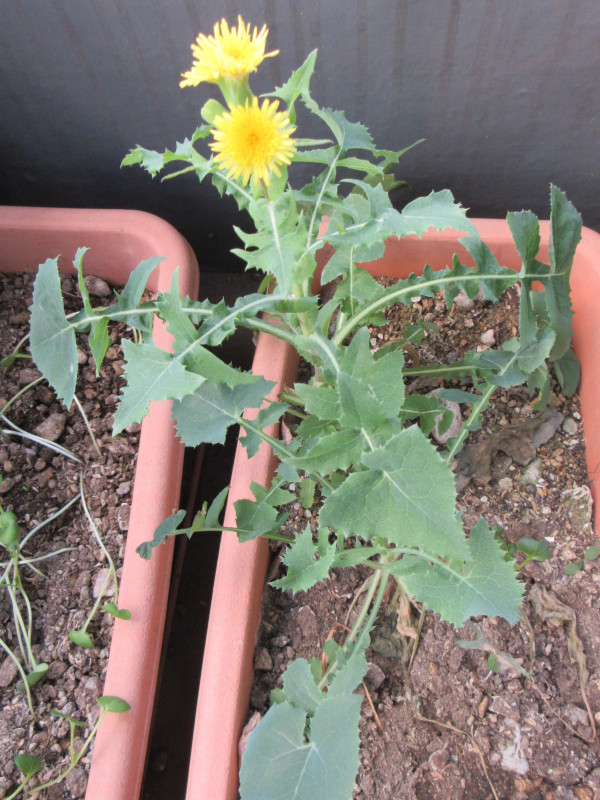
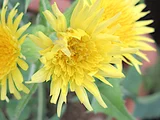

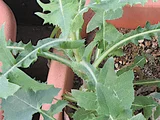
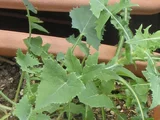
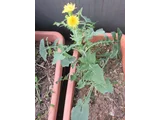
- Flower nameEurope and Western Asia
- Scientific nameSonchus oleraceus
- Alias野芥子
- Place of originMediterranean and West Asia
- Place of floweringFields and footpaths
- Flowering seasonJanuary, February, March, April, May, June, July, August, September, October, November, December
- Purposes
What is Europe and Western Asia
Common sow thistle (Sonchus oleraceus) is an annual or biennial weed native to Europe and Western Asia, belonging to the genus Sonchus in the Asteraceae family.
It has since spread worldwide and grows wild throughout Japan in sunny locations such as roadsides and vacant lots.
It grows to a height of 30–100 cm. The stem is thick and hollow; when cut, it exudes a white milky sap.
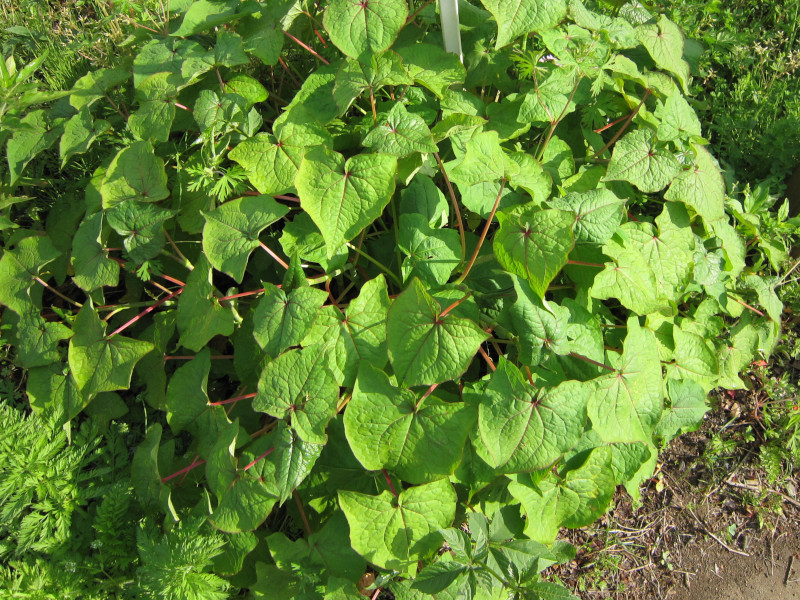
The leaves are pale green, matte, and soft. They are deeply pinnately lobed and have spiny serrations along the margins. At the base of the leaf, the leaf clasp the stem, and triangular lobes protrude.
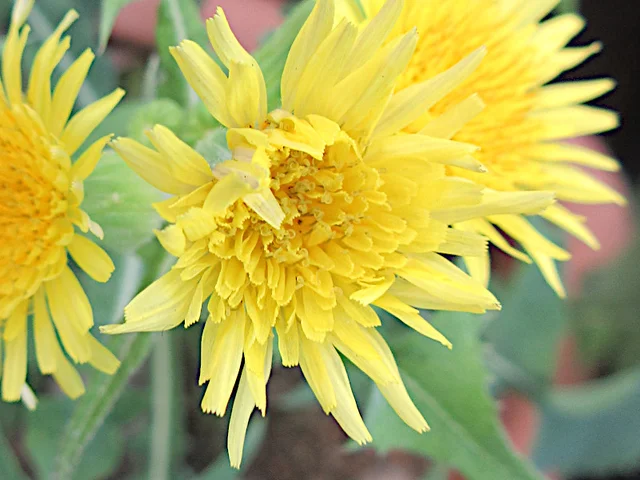
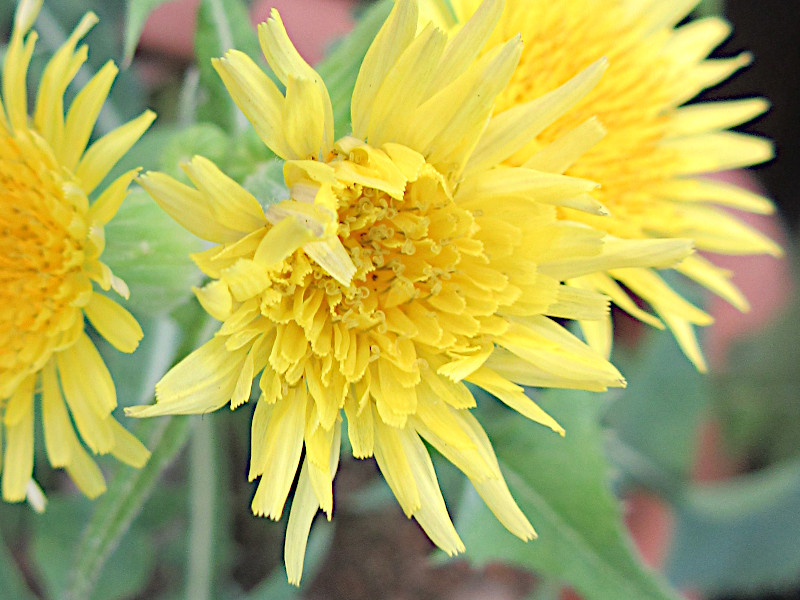
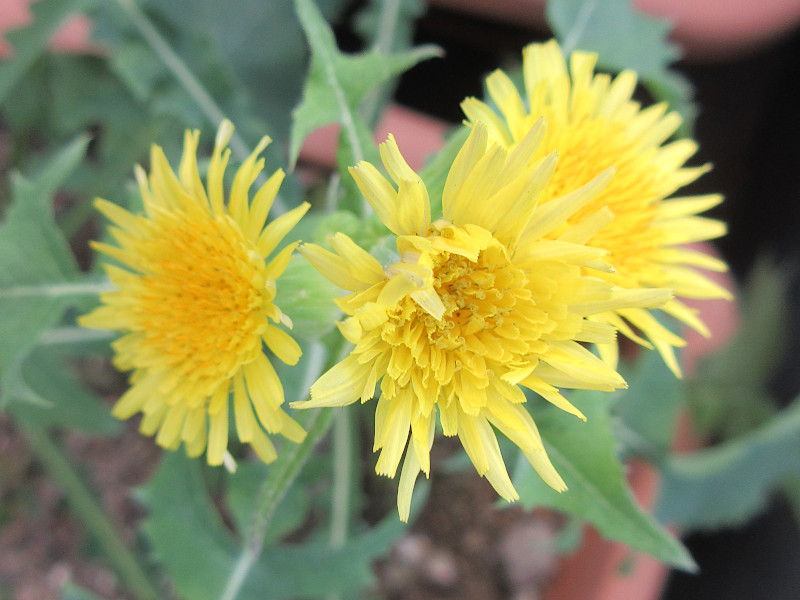
It is monoecious, bearing a capitulum (consisting solely of ray flowers) at the tip of the stem. The tips of the ray flowers have five teeth. The flowers are yellow and about 2 cm in diameter. The flowering season is from spring to fall, though in warm regions, it blooms year-round. The flowers are diurnal, opening in the morning and wilting in the evening. Pollinators include honeybees and flies.
The fruit is elliptical, about 3 mm long, and has a pappus at the tip; it is wind-pollinated.
Young spring shoots and stems can be eaten as vegetables after the bitterness is removed; they are also used as medicinal herbs and as feed for herbivorous animals (pigs, rabbits, and turtles).
Origin of the Name
The genus name “Sonchus” comes from the Ancient Greek word “σόγχος (sónkhos),” which is believed to be related to “somphos” (hollow). This is because the stems are hollow.
The specific epithet “oleraceus” means “vegetable/herbal.”
The Japanese name “Nogesi” comes from the fact that this wild plant’s young leaves resemble those of the poppy.
Its alternative name, “Harunogesi” (Spring Wild Poppy), comes from the fact that this flower is in full bloom in spring.
Common Name: Common sow thistle
Scientific Name: Sonchus oleraceus
Aka: Sow thistle, Smooth sow thistle
Chinese Name: Kujicai, Kudiancai, Kucai
Japanese Name: Nogeshi, Harunogesi
Taxonomic Classification: Kingdom Plantae, Angiosperms, Eudicots, Order Asterales, Family Asteraceae, Genus Sonchus
Life form: Annual or biennial,
Origin: Native to Europe and Western Asia, later spread worldwide; Distribution in Japan: Nationwide; Habitat: Roadside and sunny open areas,
Height: 30–100 cm; Stem: Thick, erect, hollow inside; Stem leaves: Exude white sap when cut,
Leaf texture: Soft and matte; Leaf shape: Deeply pinnately lobed, Leaf color: green; Leaf margin: spiny-serrated (but soft); Leaf base: leaves clasp the stem, with triangular lobes protruding;
Hermaphroditic; Inflorescence type: simple terminal inflorescence; Corolla type: capitulum (ray florets only); Ray florets: 5 teeth at the tip, Flower color: yellow, Flower diameter: 2 cm, Flowering season: spring–fall (year-round in warm regions), Flowering time: day-blooming flowers that open in the morning and wilt in the evening, Pollinators: honeybees and flies,
Fruit shape: oval, Fruit length: 0.3 cm, Pappus: present, dispersed by wind
Uses: Young spring seedlings and stems can be used in blanched vegetable dishes after removing bitterness; used as a medicinal herb; feed for herbivorous animals (pigs, rabbits, turtles)


- OrderAsterales

- FamilyAsteraceae
- GenusSonchus
- SpeciesS. oleraceus
- Type of flowerRadial symmetrical flower
- Array of flowerMonopetal inflorescence
- Petal shapeHead flower
- Leaf typeFeather shape
- Edge of the leafSerrated
- Life typeovergrown
- Flower colorsYellow
- Colors of the leavesGreen
- Fruit color
- Height30.0 ~ 100.0 cm
- Diameter of flower2.0 ~ 2.0 cm